


How to Grow Cucumbers Without Bitterness or Disease
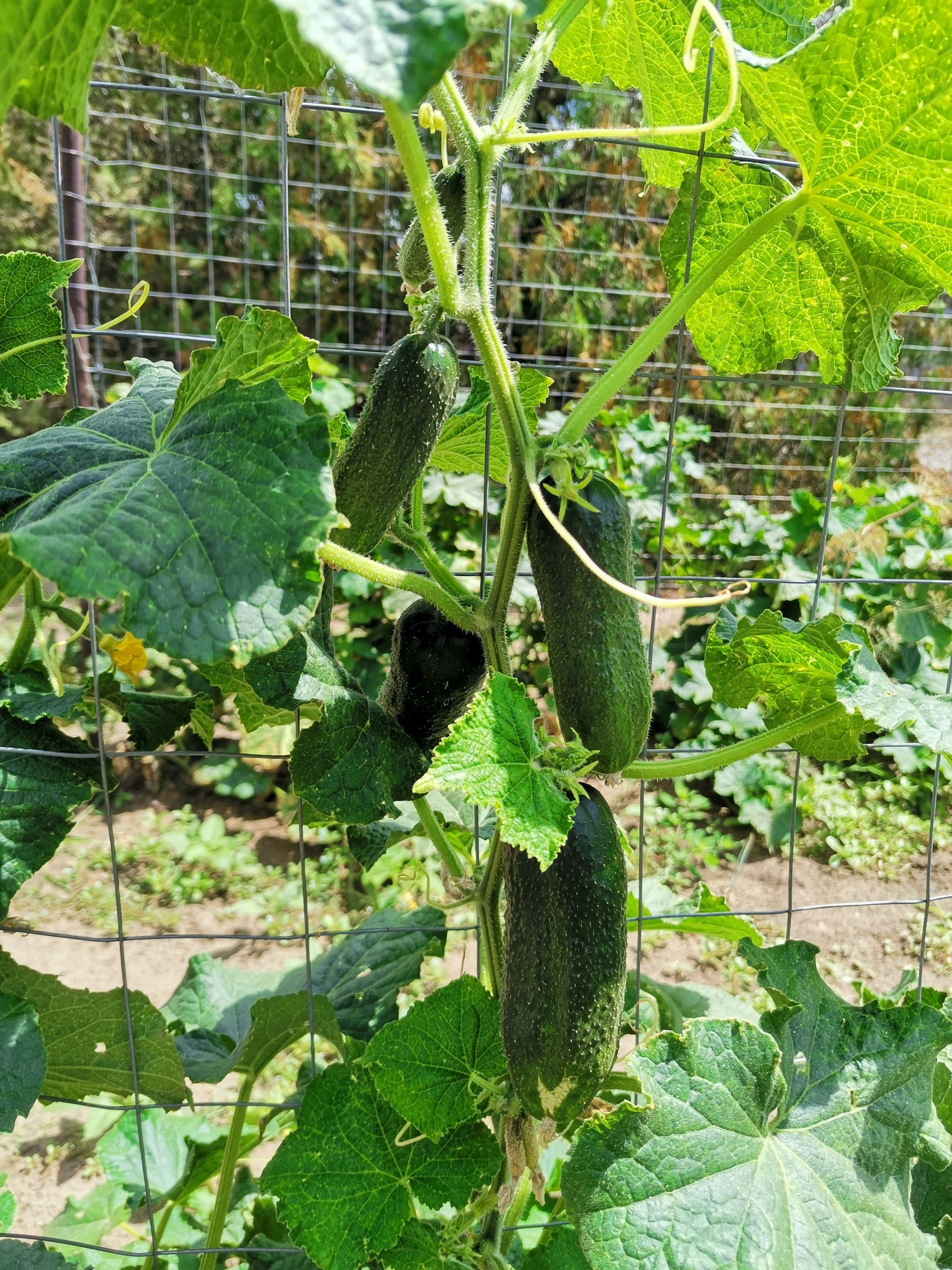
/Growing cucumbers is one of the most rewarding parts of a summer vegetable garden. Few things compare to picking a crisp, fresh cucumber straight from the vine for salads, sandwiches, or homemade pickles. Personally, I love growing new varieties of cucumber in my raised beds each year – this year I’m growing Marketmore and Straight8, and both have been stellar performers (which means I’m going to be gifting friends with cucumbers soon, since the vines have produced a bumper crop this year!)
Although cucumbers are easy to cultivate in an edible garden, even for beginners, many gardeners eventually run into two frustrating problems: bitter fruit and diseases that quickly destroy otherwise healthy plants.
The good news is that both issues are largely preventable. By choosing the right varieties, providing consistent care, and catching problems early, you can harvest abundant, flavorful cucumbers throughout the growing season.
Choose Disease-Resistant Varieties
Your success begins before you even plant a seed.
Many modern cucumber varieties have been bred for resistance to common diseases like these:
Powdery mildew
Downy mildew
Cucumber mosaic virus
Angular leaf spot
Anthracnose
Look for disease resistance codes on seed packets, such as:
PM – Powdery mildew
DM – Downy mildew
CMV – Cucumber mosaic virus
ALS – Angular leaf spot
Some reliable disease-resistant varieties include:
Marketmore 76
Diva
County Fair
Sweet Success
Green Light
Patio Snacker (excellent for containers)
Starting with resistant varieties greatly reduces the likelihood of losing your crop later in the season.
László Velkei @unsplash
Plant Cucumbers in Full Sun
Cucumbers thrive in warm weather, which means you should choose a location that receives at least 6 to 8 hours of direct sunlight, although 8 to 10 hours is even better. Transplant seedlings into warm soil, taking care not to damage the taproot (when growing from seeds, using peat pots that can be planted directly into the soil works best).
Cucumbers also prefer rich, well-drained soil, plenty of organic matter, and a soil pH that’s between 6.0 and 6.8. Before planting, work several inches of compost into the soil to improve drainage, water retention, and nutrient availability. You can also add perlite or dried, crushed eggshells for drainage.
Wait Until the Soil Has Warmed
One of the biggest mistakes gardeners make is planting too early. According to university extension recommendations, cucumbers should only be planted after all danger of frost has passed and soil temperatures reach at least 65°F (18°C).
Cold soil slows germination and stresses young plants, making them more vulnerable to disease later.
Cucumbers can be transplanted from starts or direct sown. Personally, I prefer planting mine indoors in pop-up peat pots around early June. They are some of my most reliable, and fastest-germinating seeds, making them one of the easiest crops to grow from seed, in my opinion. Depending on the weather, I transplant seedlings outdoors in early to mid June. If you direct sow them outdoors, thin to between 8” and 12” apart.
Water Consistently to Prevent Bitterness
One of the leading causes of bitter cucumbers is inconsistent watering.
When plants alternate between drought and heavy watering, they become stressed. This stress causes cucumbers to produce compounds called cucurbitacins, which create an unpleasant bitter taste.
The single most important step in preventing bitter cucumbers is maintaining consistent soil moisture. Most cucumber plants require about 1 to 2 inches of water each week, although they may need more during prolonged hot weather. Water deeply so the moisture reaches the root zone, and irrigate early in the morning whenever possible. Avoid allowing the soil to dry out completely between waterings. Using a drip irrigation system with a timer is the easiest way to ensure consistent, adequate watering and thus healthier, happier plants.
A layer of organic mulch from straw, shredded leaves, coco coir or even compost helps moderate soil temperatures and keeps moisture levels more consistent.
Feed Plants Without Overdoing Nitrogen
Cucumbers are fairly heavy feeders, but too much nitrogen creates lush foliage with fewer fruits.
A balanced fertilizer applied before planting usually provides a good start.
Once flowering begins, many university agricultural extension services recommend switching to a fertilizer that supplies more phosphorus and potassium relative to nitrogen. Phosphorous supports root, flower and seed growth, while potassium improves nutrient uptake and helps flowers and fruit to form.
Adding compost during the season can also help maintain soil fertility without encouraging excessive leaf growth.
Grow Cucumbers Vertically
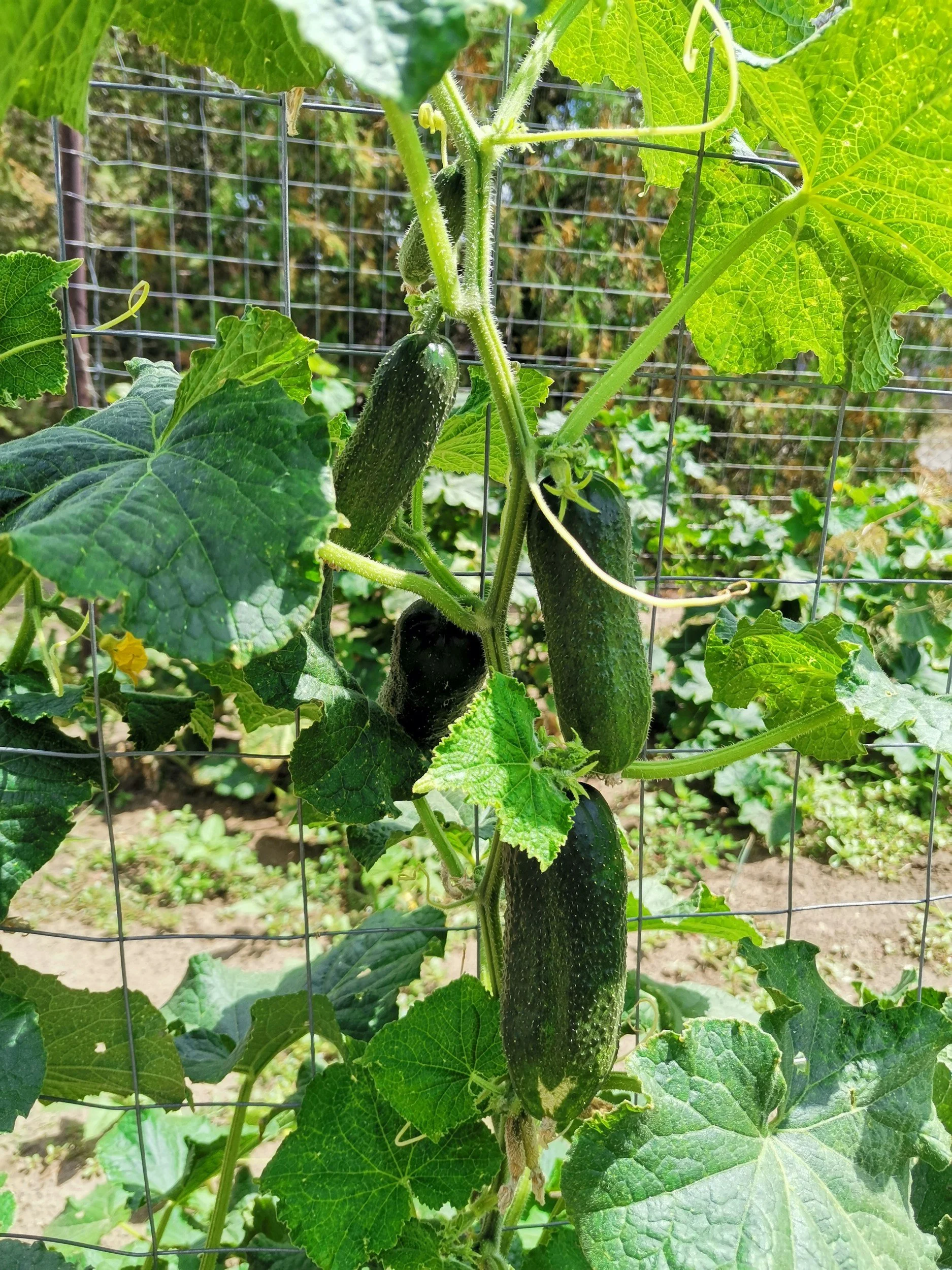
Growing cucumbers on a trellis is one of the simplest ways to improve plant health. Elevating the vines increases air circulation, allowing leaves to dry more quickly after rain or morning dew, which helps reduce fungal diseases. Trellising also keeps developing fruit cleaner, produces straighter cucumbers, makes harvesting easier, and frees up valuable garden space for other crops. Vining cucumbers are particularly well suited to vertical growing.
Install your trellis before planting to avoid disturbing the roots later.
Prevent Common Cucumber Diseases
Healthy plants are far less likely to develop disease. In fact, plants that have strong immune systems are able to fend off some diseases and insects. Some of the most common cucumber diseases include these:
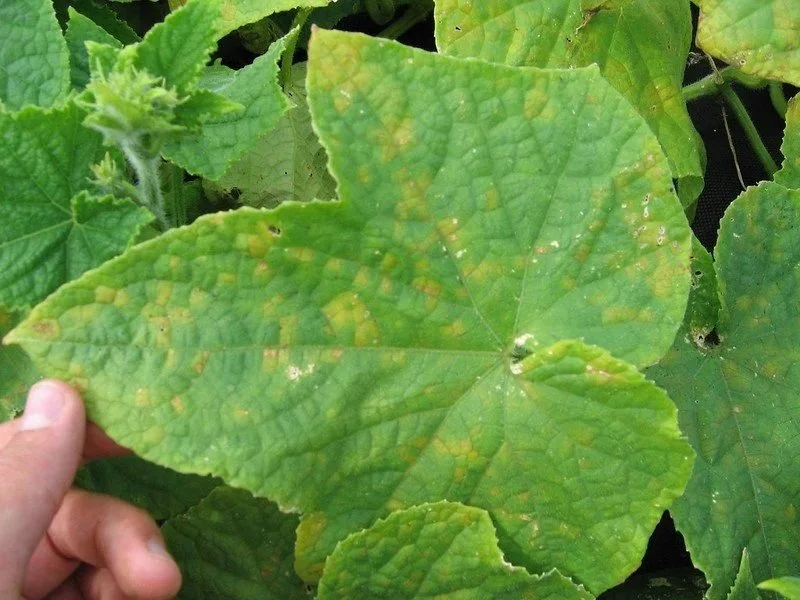
Powdery Mildew
Powdery mildew appears as white, powder-like patches on leaves. It usually develops during warm, humid weather with poor air circulation. You can reduce the risk of your plants developing powdery mildew by spacing plants properly and pruning them to promote airflow, watering at the soil level rather than letting water splash all over the leaves, growing resistant varieties of cucumber, and removing heavily infected leaves after powdery mildew is detected.
Cornell IPM @FLickr, CC BY-NC-SA 2.0
Downy Mildew
Downy mildew causes yellow patches on upper leaf surfaces with gray or purple growth underneath. This disease spreads quickly during cool, wet weather. Unfortunately, there is no cure once plants become heavily infected.
The best prevention against includes some of the same methods used to combat powdery mildew outbreaks: planting resistant varieties of cucumber, promoting good airflow, avoiding watering from overhead and removing infected plants, especially at the end of the season.
Bacterial Wilt
Bacterial wilt is spread by cucumber beetles. Symptoms include a sudden wilting of leaves that remain green before collapsing. The plant declines rapidly afterwards. The best defense against this disease is managing cucumber beetles soon after detecting them. Rather than resorting to harmful chemicals, which can actually worsen pest problems in your garden, use a combination of integrated pest management techniques to minimize or eliminate the problem.
Placing floating row covers over young plants will also protect them until flowering begins.
Watch for Common Pests
Several insects regularly attack cucumbers.
Cucumber Beetles
These yellow-green beetles feed on leaves, flowers, and fruit while spreading bacterial wilt. Monitor plants frequently, especially early in the season. Hand-picking, floating row covers, and encouraging beneficial insects by planting the flowers they like can also help reduce populations.
Aphids
Aphids cluster on new growth and may spread cucumber mosaic virus. Strong sprays of water often remove light infestations. You can also control aphids in the garden naturally by spraying them with a DIY solution of castile soap diluted in water. This will dry them out and kill them quickly. Monitor your plants frequently for aphids, because they are born pregnant and a few aphids can quickly become an infestation within days.
Lady beetles, lacewings, and hoverflies also help keep aphid populations under control. Encourage them to make their home in your garden by planting the flowers they love.
Squash Bugs
Although more common on squash, squash bugs sometimes attack cucumbers. Inspect leaf undersides for bronze-colored egg clusters and remove them before they hatch.
Grow Cucumbers in Containers
You don't need a large garden to enjoy homegrown cucumbers. Many compact varieties perform exceptionally well in containers. Be sure to plant them in a container with ample drainage holes that can hold at least 5 gallons. Use a high-quality potting mix that contains plenty of organic matter like compost. Be sure to attach growing vines to a sturdy trellis or cage: cucumbers left on the soil will rot and attract herbivore insects.
Keep in mind, too, that container-grown cucumbers will dry out faster than garden beds, especially during hot weather. They are heavy drinkers and feeders. Check soil moisture daily, fertilize with a liquid every 2-3 weeks or once monthly with a granular fertilizer during active growth periods and water whenever the top inch begins to dry.
Container plants require more frequent fertilization than in-ground plants because nutrients wash out with repeated watering.
Recommended container varieties include these:
Patio Snacker
Spacemaster 80
Bush Champion
Pick a Bushel
Salad Bush
These compact plants produce impressive harvests while fitting easily onto patios, balconies, and decks.
Wanasanan Phonnaun @unsplash
Harvest Frequently
Frequent harvesting encourages plants to continue producing. Harvest cucumbers while they are still young and tender. Although it may be tempting to let them grow very large, waiting too long to harvest them will result in them developing tough skins and large seeds. It will also reduce production and increase your chances of ending up with bitter-tasting cukes.
Most slicing cucumbers taste best when harvested at 6 to 8 inches long, while pickling cucumbers should be harvested according to the variety's recommended size.
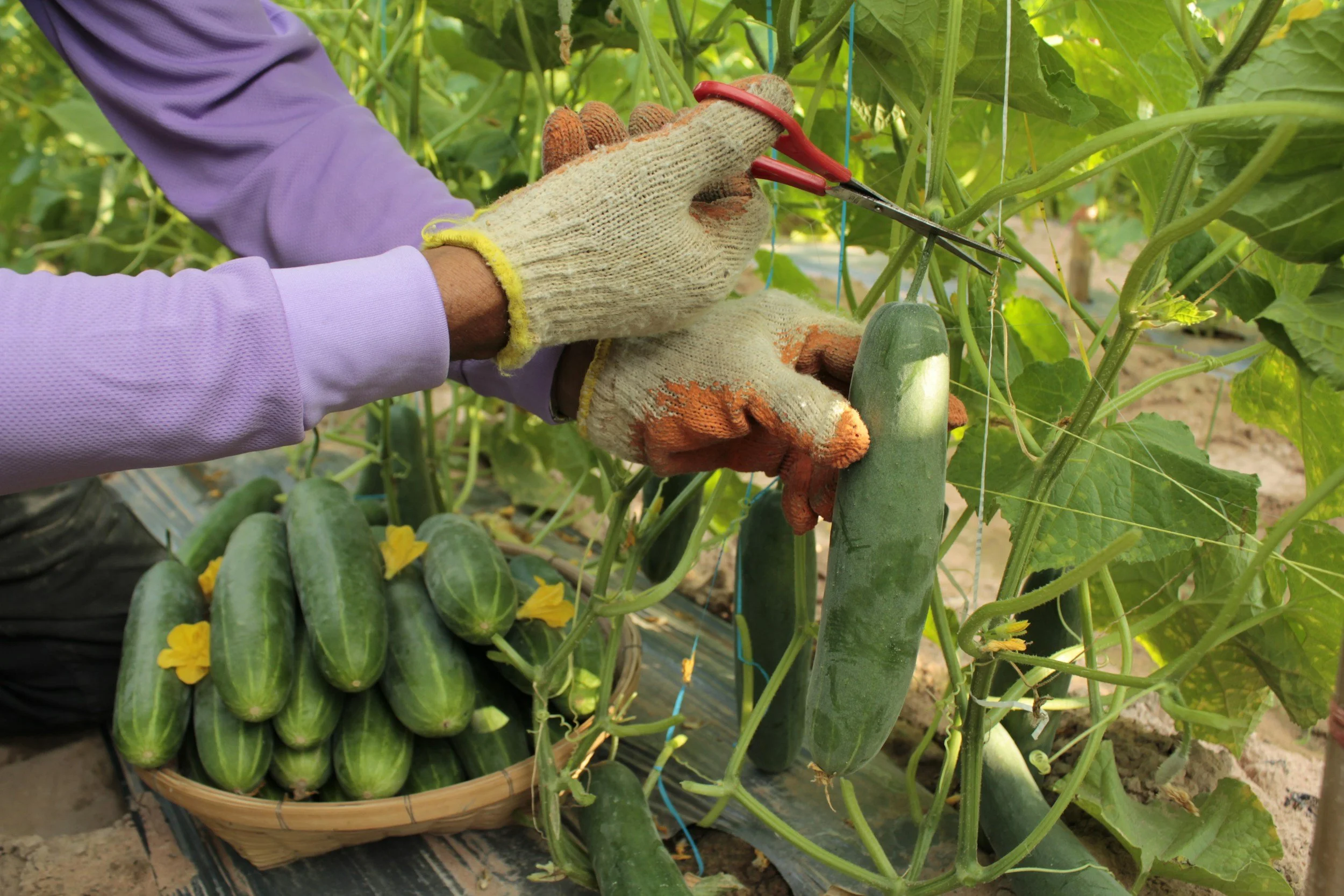
Use clean pruners or scissors rather than pulling fruit from the vine, which can damage stems.
End the Season with Good Garden Sanitation
Many cucumber diseases survive the winter on infected plant debris.
Therefore, good garden sanitation at the end of the growing season is another important disease prevention strategy. Remove old cucumber vines, especially those showing signs of disease, and dispose of heavily infected plant material rather than composting it. Clean trellises and garden tools before storing them and avoid planting cucumbers or other members of the cucurbit family in the same location for at least two to three years.
Crop rotation helps reduce the buildup of soil-borne pathogens and insect pests. Rotate cucumbers and other cucurbits to a different part of the garden for at least two to three years.
Consistent Care is the Key to Healthy Cucumbers
Growing cucumbers without bitterness or disease is less about luck than consistency. Healthy soil, steady watering, disease-resistant varieties, and good airflow go a long way toward producing crisp, flavorful harvests all season.
Whether you're growing cucumbers in a raised bed, traditional garden, or a container on your patio, a few preventive practices can dramatically reduce common problems before they start. With the right care, you'll enjoy vines loaded with sweet, crunchy cucumbers perfect for fresh eating, pickling, and sharing with family and friends.
Frequently Asked Questions
-
Bitterness is usually caused by plant stress, especially inconsistent watering, excessive heat, drought, or sudden temperature fluctuations. Keeping the soil evenly moist helps reduce the production of bitter-tasting cucurbitacins.
-
Yes. Compact or bush varieties grow exceptionally well in containers that hold at least 5 gallons of potting mix. Provide a trellis, consistent watering, and regular feeding for the best harvest.
-
Powdery mildew is one of the most common diseases in home gardens. It appears as white, powdery spots on leaves and is best managed by growing resistant varieties, improving air circulation, and watering at the base of the plant.
-
Most cucumber plants need about 1 to 2 inches of water each week. During periods of hot, dry weather, they may require more frequent watering, especially if grown in containers.
-
Growing cucumbers vertically is highly recommended. Trellising improves airflow, reduces disease, saves space, keeps fruit cleaner, and makes harvesting much easier.
You may also be interested in…




Growing squash is one of the upsides of summer gardening. Whether you're growing zucchini, yellow squash, butternut, or acorn squash, these productive plants can provide an abundant harvest. This year, to be honest, none of my zucchini squash germinated. However, my scallop (pattypan) and honeynut squash arrived in abundant supply, as did a few unexpected butternut squashes, and we’re still enjoying the harvest from all of these plants.