


How to Keep Your Garden Low-Maintenance All Summer
/Although mid-summer tends to be unbearably hot and humid in my area, which means gardening only in the early morning and late afternoon, overall, summer is my favorite time of year to grow an edible garden. My plants are growing rapidly, vegetables are producing like crazy, the flowers I’ve planted all over the garden and in the landscaped areas of my yard are blooming, and all the pollinators are hard at work. Despite these upsides, summer is also the season when many gardeners can find themselves spending more time watering, weeding, pruning, and fighting pests than they expected.
The good news is that a growing a productive garden does not have to become a full-time job. By putting a few smart systems in place early in the season, you can dramatically reduce the amount of work required to keep your garden healthy and thriving throughout the summer months.
It really doesn’t matter if you grow vegetables, herbs, flowers, or a combination of all three; the practical strategies I’ll share in this article will help you spend less time maintaining your garden and more time enjoying it. And what garden enthusiast wouldn’t want that?
Start with Healthy Soil
The foundation of a low-maintenance garden begins below the surface. Healthy soil helps plants develop strong root systems, making them more resilient during heat waves, dry spells, and pest pressure.
Before summer arrives, enrich your beds with good quality compost or other organic matter. Compost improves soil structure, increases water retention, and supports beneficial microorganisms that help plants access nutrients. The compost you make at home, using an outdoor bin or an indoor Bokashi bin, is best.
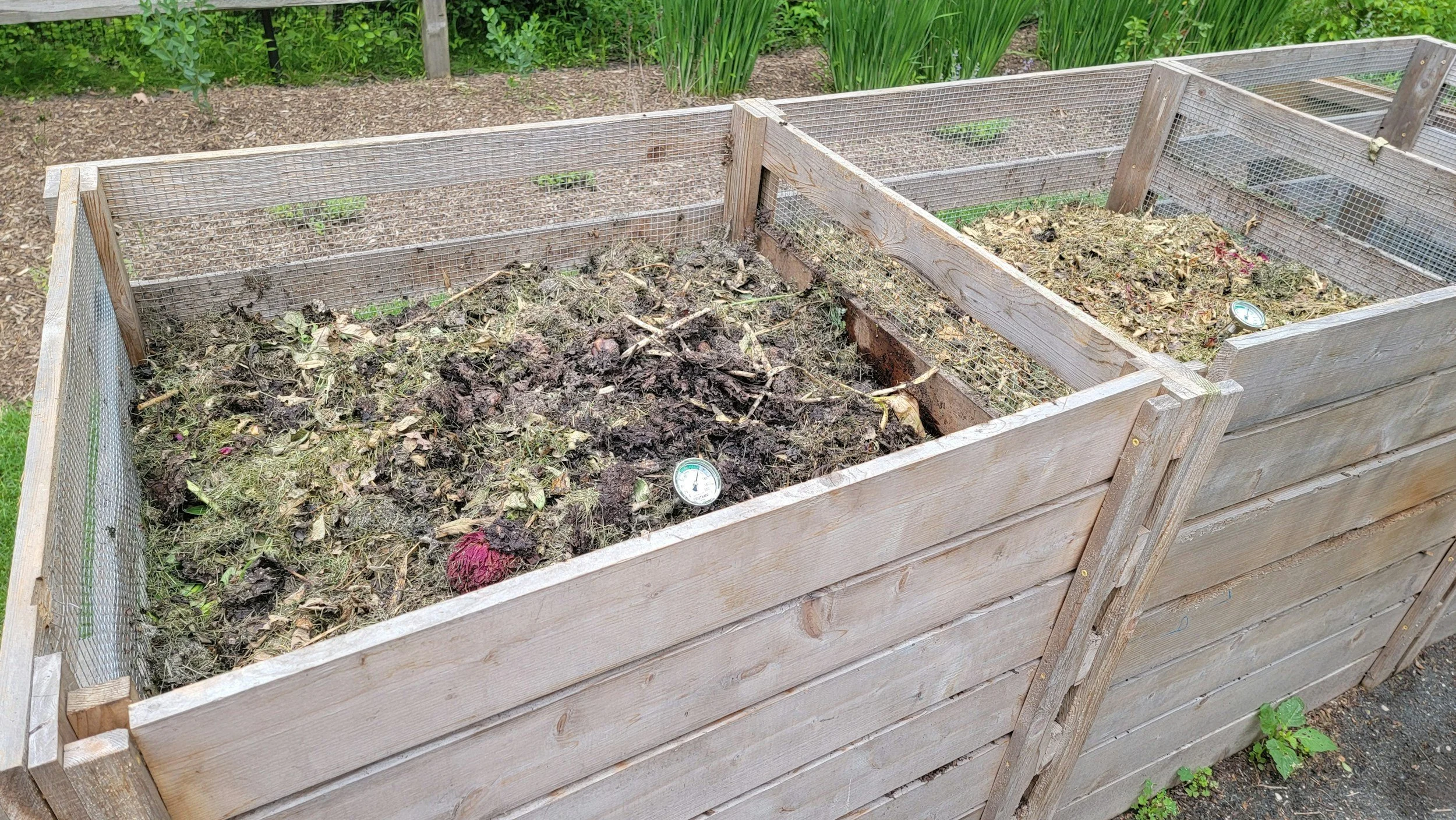
Frank Thiemonge @unsplash
Plants growing in healthy soil generally require less supplemental fertilizer, recover more quickly from stress, and are better able to resist diseases.
If your soil is sandy, compost helps retain moisture. If it is clay-heavy, compost improves drainage and aeration. In either case, healthier soil means less intervention later in the season.
A Warning about Using Compost in Your Soil
Not all compost is created equal. If you're purchasing compost from a local farm, landscape supplier, or municipal source, look for material that is dark, crumbly, and earthy-smelling; compost that contains large amounts of undecomposed material may not provide the benefits you're expecting.
If a compost or compost-based garden soil feels unusually dense or heavy, mix it with materials that improve aeration and drainage, such as shredded leaves, pine bark or other finely composted wood chips, vermiculite, perlite or coconut coir before incorporating it into planting beds or containers.
If you've already planted in a dense soil mix, avoid disturbing plant roots by working in large amounts of perlite. Instead, improve aeration gradually by top-dressing with high-quality compost, adding organic mulch, and lightly loosening the soil surface with a broad fork (or garden fork) between plants. For containers, the approach is a little different. If a container mix is excessively dense, you can sometimes poke several holes into the soil with a bamboo stake or narrow dowel and work a small amount of perlite into those holes. This is not as effective as repotting, but it can improve airflow around roots.
Mulch Generously
Few gardening tasks provide a bigger return on investment than mulching.
Applying two to four inches of organic mulch around your plants helps:
Suppress weeds
Reduce soil moisture loss
Moderate soil temperatures
Improve soil health as it decomposes
Reduce watering frequency
For edible gardens, excellent mulch options include shredded leaves, straw, untreated grass clippings, compost, or pine bark mulch.
Mulch acts like a protective blanket over the soil. During hot weather, it can significantly reduce evaporation, helping plants stay hydrated longer between waterings.
Avoid piling mulch directly against plant stems, which can create conditions favorable to rot and disease.
Install an Efficient Watering System
Hand watering can quickly become one of the most time-consuming gardening chores of summer.
A drip irrigation system or soaker hose can dramatically reduce maintenance while improving plant health.
Unlike overhead watering, drip systems deliver moisture directly to the root zone where plants need it most. This reduces water waste and minimizes wet foliage, which can contribute to fungal diseases.
Many gardeners connect drip systems to inexpensive timers. Once programmed, the system waters automatically, even when you're away from home.
If installing irrigation is not practical, focus on watering deeply and less frequently rather than providing shallow daily watering. Deep watering encourages roots to grow downward, making plants more drought tolerant.
Choose Plants That Thrive in Your Climate
One of the simplest ways to reduce garden maintenance is to grow plants that are naturally well-suited to your growing conditions.
Many gardeners unknowingly create extra work by choosing plants that struggle in their climate, soil, or available sunlight.
For summer vegetable gardens, heat-tolerant crops often require less attention than cool-season vegetables that are nearing the end of their productive period.
Examples include:
Okra
Sweet potatoes
Southern peas
Eggplant
Peppers
Malabar spinach
Armenian cucumbers
Similarly, native flowers and perennials are often more drought tolerant and disease resistant than exotic ornamental plants because they evolved under local growing conditions.
When plants are naturally adapted to your environment, they generally need less watering, fertilizing, and pest management.
Group Plants with Similar Needs
A common mistake in garden design is placing plants with very different water or sunlight requirements together.
For example, drought-tolerant herbs such as rosemary and thyme do not need the same amount of water as lettuce or basil.
Leonie Clough @unsplash
By grouping plants with similar requirements, you can water more efficiently and avoid overwatering or underwatering certain crops.
This practice, sometimes called hydrozoning, simplifies garden care and helps plants perform better.
Raised beds, containers, and designated planting zones make this strategy especially easy to implement.
Stay Ahead of Weeds
Weeding becomes much easier when you prevent weeds from becoming established in the first place.
Mulch is your first line of defense, but a few additional habits can dramatically reduce the workload.
Spend five to ten minutes once or twice a week pulling young weeds before they develop extensive root systems or produce seeds.
Small weeds are easy to remove. Large weeds often require significantly more effort and can quickly spread throughout the garden.
A short weekly maintenance session prevents weeds from turning into a major summer project.
Grow Dense Plantings
Strategic spacing can reduce maintenance while maximizing productivity.
When appropriate, allow plants to grow close enough that mature foliage shades the soil surface.
The shade created by leaves helps suppress weeds and reduces evaporation.
Bush beans, basil, lettuce, Swiss chard, and many herbs can form living mulch once they reach maturity.
Just be careful not to overcrowd plants beyond recommended spacing guidelines. Good airflow remains important for disease prevention.
Use Cages, Trellises, and Supports Early
Supporting plants before they need it can save considerable time later.
Tomatoes, cucumbers, pole beans, peas, and many flowering vines grow more efficiently when provided with proper support structures.
Installing cages and trellises early offers several advantages:
Easier harvesting
Better airflow
Reduced disease pressure
Less fruit rot
Improved space utilization
Attempting to support sprawling plants after they become large often requires more work and can damage stems and roots.
A few minutes spent setting up supports at planting time can prevent hours of maintenance later.
Harvest Frequently
It may seem counterintuitive, but harvesting regularly actually reduces garden maintenance.
Many crops produce more heavily when harvested often. Beans, cucumbers, zucchini, peppers, and herbs all benefit from regular picking.
Allowing fruits to become oversized can slow future production and create additional problems.
Large zucchini seem to appear overnight, and overripe cucumbers can become bitter and less productive.
A quick harvest every few days keeps plants producing while preventing produce from going to waste.
Focus on Prevention Rather Than Treatment
Pest and disease problems are easier to prevent than cure.
Simple preventive practices include:
Providing adequate spacing
Watering at the soil level
Removing diseased foliage promptly
Encouraging beneficial insects
Rotating crops annually
Keeping plants healthy through proper nutrition
A thriving, well-maintained ecosystem naturally experiences fewer serious pest outbreaks.
Planting pollinator-friendly flowers such as alyssum, calendula, cosmos, and borage can attract beneficial insects that help keep pest populations under control.
Accept That Perfection Is Not Necessary
Perhaps the most important tip for maintaining a low-maintenance garden is adjusting expectations.
Matt Seymour @unsplash
A healthy garden does not need to look perfect every day.
A few weeds, minor insect damage, and occasional imperfections are normal parts of gardening. Chasing perfection often creates unnecessary work and frustration.
Instead, focus on the indicators that truly matter:
Healthy plant growth
Consistent harvests
Improving soil health
Pollinator activity
Overall garden productivity
When you prioritize the big picture, gardening becomes more enjoyable and sustainable.
Work Smarter for a Low-Maintenance Garden
Keeping your garden low-maintenance throughout the summer is less about working harder and more about working smarter. Healthy soil, generous mulch, efficient watering systems, appropriate plant choices, and simple preventive practices can dramatically reduce the amount of time you spend on routine maintenance.
By establishing these systems early, your garden becomes more resilient to heat, drought, weeds, pests, and other common summer challenges. The result is a productive, attractive garden that largely takes care of itself, allowing you to spend more time harvesting, relaxing, and enjoying the rewards of your efforts.
A low-maintenance garden does not mean a neglected garden. It means creating conditions that allow nature to do more of the work for you.
You may also be interested in…


Summer is when a vegetable garden really begins to reveal the results of all the planning, planting, and care that went into spring planting. Tomatoes and eggplants begin ripening, cucumbers swell on their trellises, peppers fill out, and herbs seem to grow faster than you can harvest them. Yet this is also the point in the season when many gardens begin to lose momentum. Heat stress, inconsistent watering, nutrient deficiencies, weeds, and pests can quickly reduce yields if they are not addressed.