


What Are Mycorrhizae? The Soil Fungi That Help Plants Thrive
/Healthy soil is far more than dirt. Beneath the surface of every productive garden lies a complex ecosystem of microorganisms that help plants grow, resist disease, and access nutrients. Among the most important of these organisms are mycorrhizal fungi, microscopic soil fungi that form beneficial partnerships with plant roots.
Although most gardeners have heard the term "mycorrhizae" at some point, many are unsure what these fungi actually do or whether they are worth paying attention to. The answer is simple: mycorrhizae play a critical role in helping plants thrive. In fact, many plants evolved alongside these fungi and depend on them for optimal growth. When you are growing an edible garden, using mycorrhizae can help build a healthy soil ecosystem for happy, productive plants.
What Are Mycorrhizae?
The word "mycorrhiza" comes from the Greek words for fungus and root. A mycorrhizal relationship occurs when beneficial fungi colonize a plant's root system and form a mutually beneficial partnership.
The plant provides the fungi with sugars produced through photosynthesis. In return, the fungi extend far beyond the plant's root zone, helping the plant access water and nutrients that would otherwise be difficult to reach.
Quỳnh Lê Mạnh @unsplash
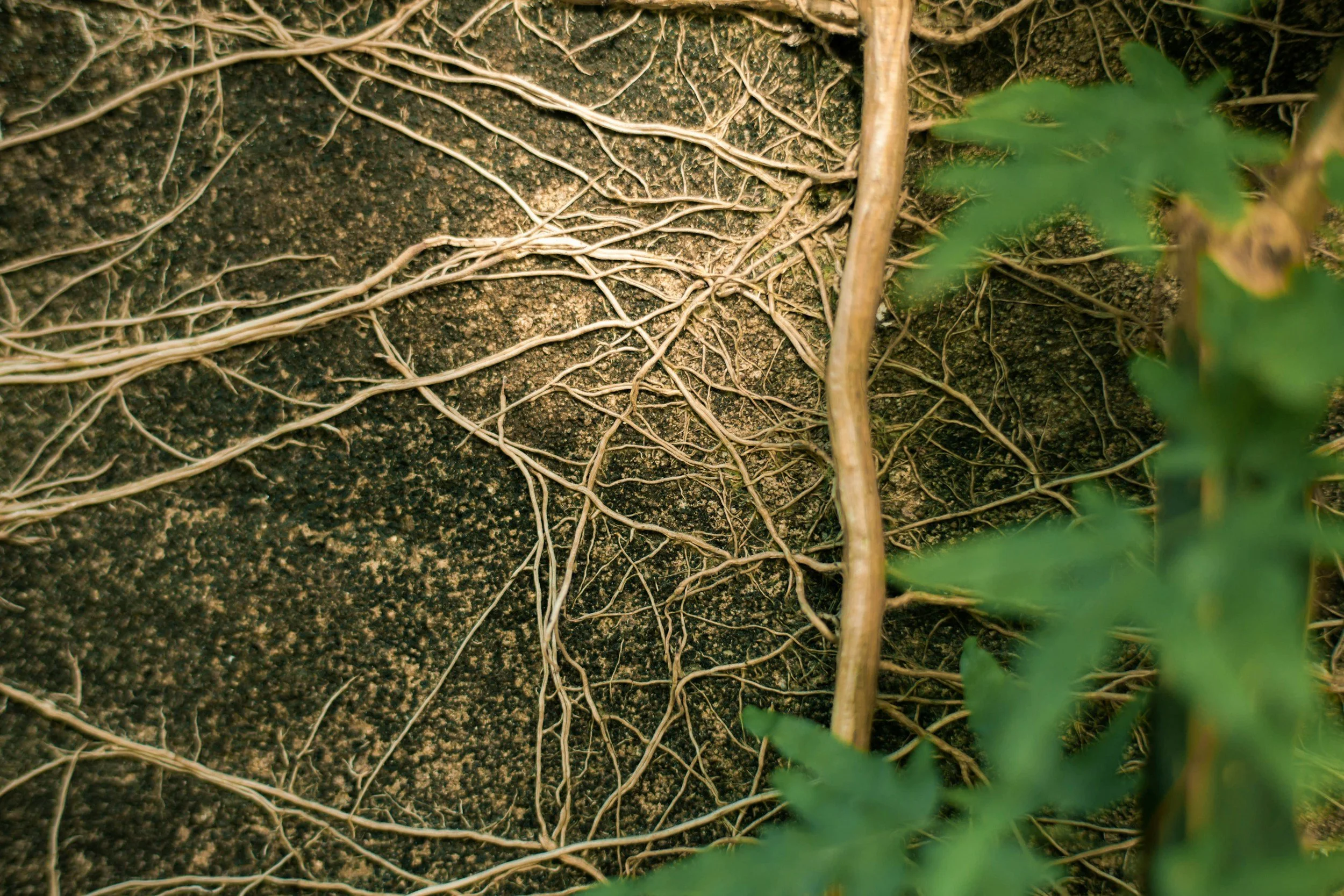
Think of mycorrhizae as a natural extension of a plant's root system. Their thread-like structures, called hyphae, spread through the soil, creating an underground network that can dramatically increase the area from which a plant can draw resources.
Scientists estimate that roughly 80–90% of all land plants form some type of mycorrhizal relationship.
How Mycorrhizae Help Plants Grow
The benefits of mycorrhizal fungi are numerous, particularly in home gardens where soil conditions may be less than ideal.
Improved Nutrient Uptake
One of the primary benefits of mycorrhizae is improved access to nutrients.
Phosphorus, in particular, is often difficult for plants to obtain because it moves slowly through soil. Mycorrhizal fungi can access phosphorus beyond the reach of plant roots and transport it back to the plant.
These fungi can also improve access to:
Nitrogen
Potassium
Zinc
Copper
Calcium
Magnesium
As a result, plants often grow larger and healthier without requiring excessive fertilizer applications.
Better Water Access
The fungal network acts like an extension of the root system, allowing plants to access water from a larger volume of soil.
This can be especially valuable during periods of drought or summer heat. Plants associated with healthy mycorrhizal populations often show greater resilience during dry conditions than plants growing in biologically depleted soils.
Increased Disease Resistance
Mycorrhizal fungi can help plants resist certain soil-borne diseases by occupying space around the roots and creating a protective barrier against harmful pathogens.
Some research also suggests that these fungi trigger natural defense responses within plants, helping them better withstand attacks from diseases and environmental stresses.
Improved Soil Structure
The fungal hyphae help bind soil particles together, creating stable aggregates that improve soil structure.
Healthy soil aggregates allow for:
Better drainage
Improved water retention
Increased aeration
Reduced compaction
Some mycorrhizal fungi also produce a sticky substance called glomalin, which helps hold soil particles together and contributes to long-term soil health.
The Underground "Wood Wide Web"
One of the most fascinating discoveries in soil ecology is that mycorrhizal fungi can connect multiple plants through underground networks.
Researchers sometimes refer to this system as the "Wood Wide Web."
Through these fungal networks, plants may exchange nutrients, chemical signals, and other resources. While scientists are still studying the extent of these interactions, there is growing evidence that mycorrhizal networks contribute to ecosystem resilience and plant health.
In a home garden, this means plants are often more interconnected than we realize.
Which Plants Benefit From Mycorrhizae?
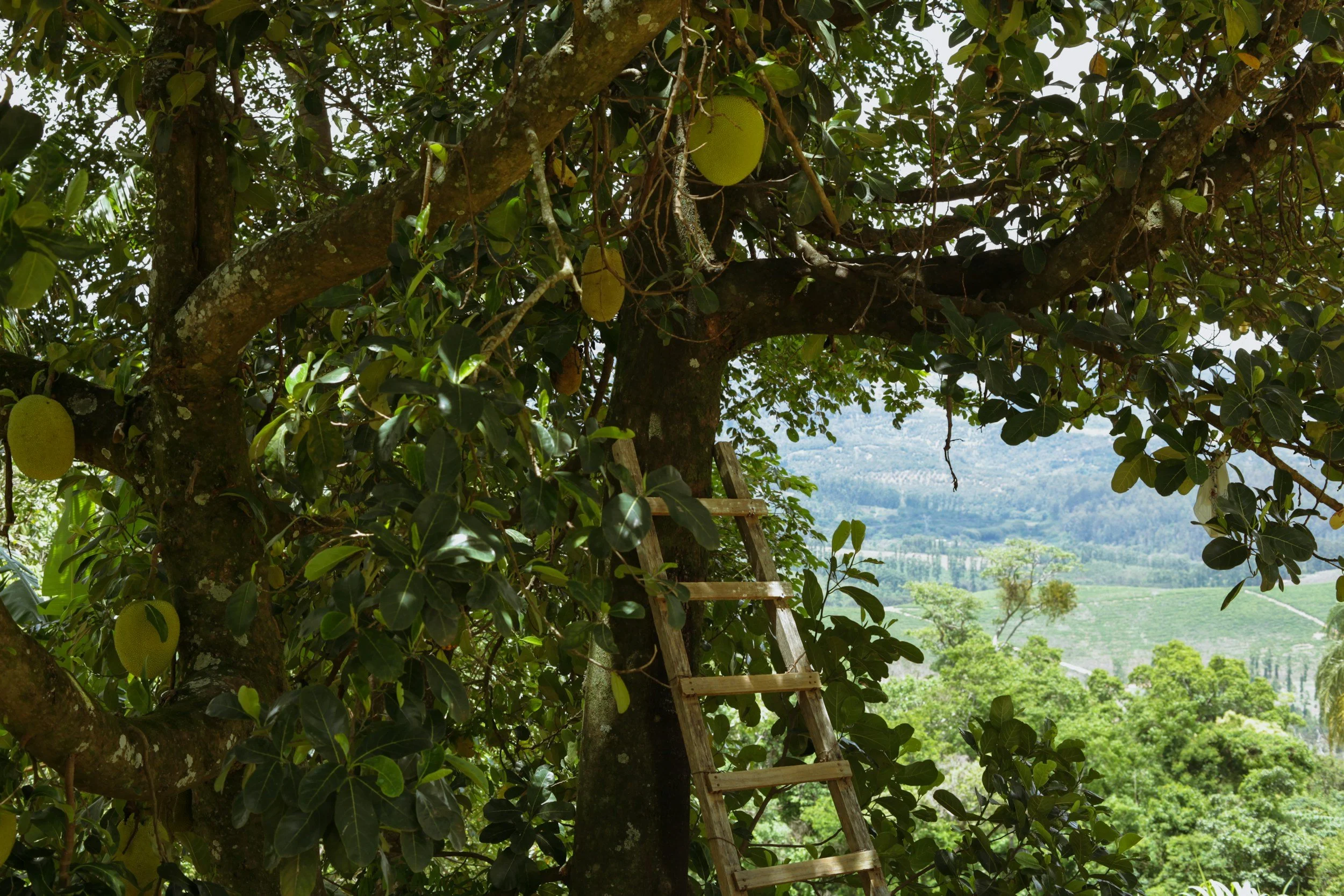
Most vegetables, herbs, flowers, shrubs, and trees form beneficial relationships with mycorrhizal fungi.
Common garden crops that typically benefit include:
PROJETO CAFÉ GATO-MOURISCO @unsplash
Tomatoes
Peppers
Eggplants
Beans
Peas
Cucumbers
Squash
Corn
Strawberries
Fruit trees
Many flowering plants, including sunflowers, zinnias, cosmos, and echinacea, also develop strong mycorrhizal associations.
However, not all plants rely on mycorrhizae.
Members of the brassica family generally do not form these relationships. This includes:
Cabbage
Broccoli
Kale
Cauliflower
Brussels sprouts
Mustard greens
Plants in the beet and spinach family also tend to derive little benefit from mycorrhizal fungi.
What Harms Mycorrhizal Fungi?
Unfortunately, many common gardening practices can reduce populations of beneficial soil fungi.
Excessive Tilling
Frequent tilling breaks apart fungal networks and disrupts the delicate soil ecosystem.
Each time soil is heavily disturbed, mycorrhizal hyphae are damaged, forcing the fungi to rebuild their networks from scratch.
Overuse of Synthetic Fertilizers
When large amounts of readily available nutrients are supplied through fertilizer, plants become less dependent on fungal partners.
High-phosphorus fertilizers are particularly problematic because they can suppress mycorrhizal colonization.
Bare Soil
Leaving soil uncovered exposes it to heat, erosion, and moisture loss.
Because mycorrhizal fungi depend on living roots, bare soil provides little support for fungal populations.
Fungicides
While some fungicides target specific diseases, others can unintentionally harm beneficial fungi as well.
Always use fungicides carefully and only when necessary.
How to Encourage Mycorrhizae in Your Garden
Fortunately, building healthy populations of mycorrhizal fungi does not require expensive products.
Many of the best practices for encouraging mycorrhizae are simply good soil-management habits.
Minimize Soil Disturbance
Reduce tilling whenever possible. No-till and low-till gardening methods help preserve fungal networks and improve long-term soil health.
Keep Living Roots in the Soil
Plants feed soil microbes through root exudates, which are sugars and other compounds released into the soil.
Cover crops, succession planting, and year-round gardening help maintain a continuous food source for beneficial fungi.
Add Organic Matter
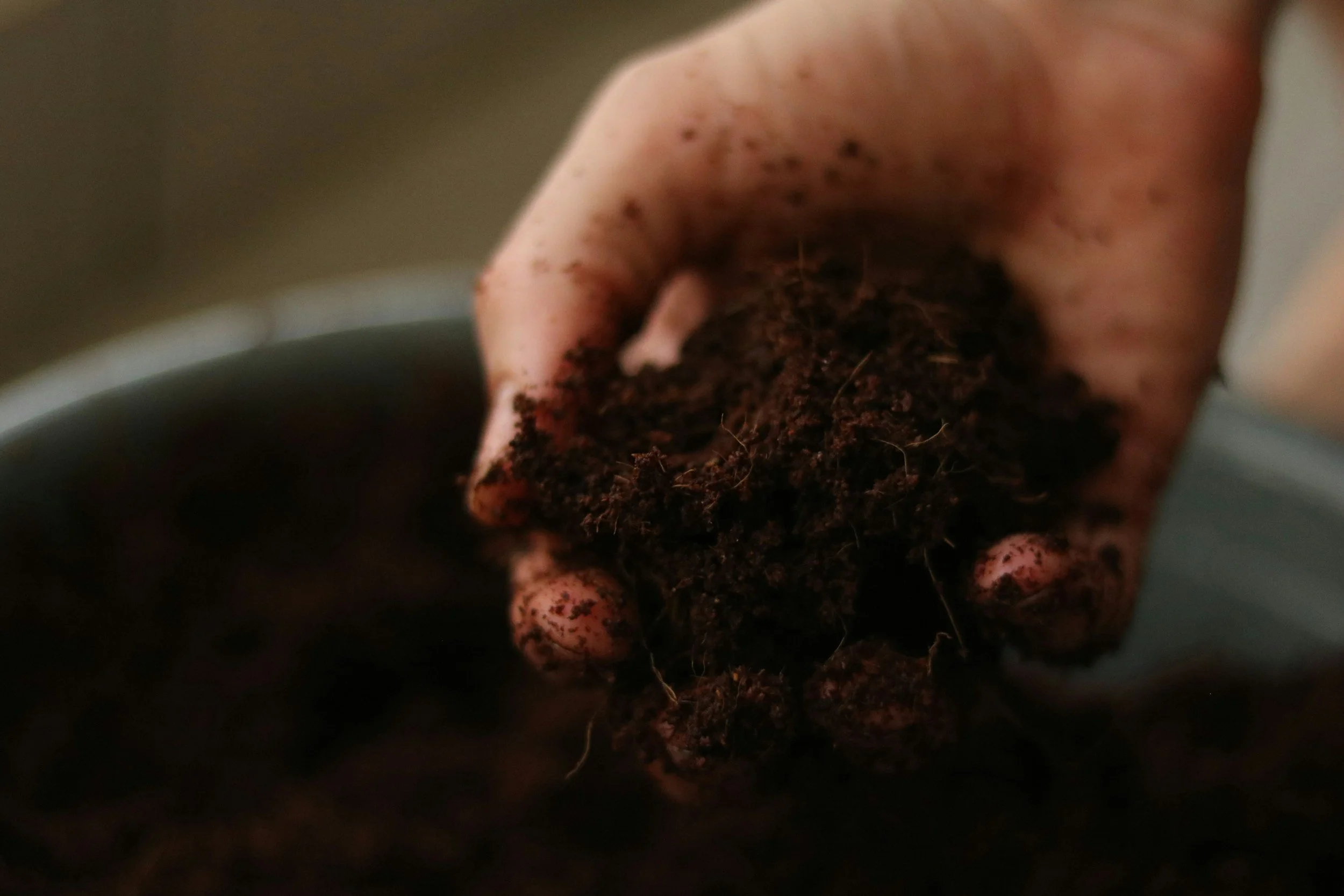
Compost, shredded leaves, and other organic materials support a diverse soil food web that includes mycorrhizal fungi.
Organic matter also improves soil structure and water-holding capacity.
Mulch Regularly
Mulch helps regulate soil temperature, conserve moisture, and create favorable conditions for soil life.
Natural mulches such as shredded leaves, pine straw, pine bark, and arborist wood chips are excellent choices.
Alicia Christin Gerald @unsplash
Avoid Excessive Fertilizer Use
Rather than feeding plants heavily, focus on feeding the soil.
Healthy soil biology often provides nutrients more efficiently than repeated fertilizer applications.
Are Commercial Mycorrhizal Inoculants Worth Buying?
Garden centers increasingly market mycorrhizal inoculants as a way to boost plant growth.
In some situations, they may be helpful. New raised beds filled with sterile growing media, newly constructed landscapes, or heavily disturbed soils may benefit from inoculation. In my own garden, I frequently use mychorrizhae when transplanting seedlings from a hydroponic system to soil. The mychorrizhae essentially help the plants “learn” how to take up nutrients from the soil instead of water.
However, many established gardens already contain native populations of mycorrhizal fungi. In these cases, improving soil conditions may be more effective than purchasing additional inoculants.
Before spending money on soil additives, focus first on practices that encourage existing microbial life. Compost, mulch, reduced tillage, and continuous plant cover often provide greater long-term benefits.
Helpful Garden Allies
Mycorrhizal fungi are among the most important allies in the garden. These microscopic organisms help plants access nutrients and water, improve soil structure, increase resilience to stress, and support overall ecosystem health.
The good news is that fostering mycorrhizae doesn't require expensive products or complicated techniques. By reducing soil disturbance, adding organic matter, keeping living roots in the ground, and maintaining healthy mulch layers, gardeners can support thriving fungal networks naturally.
When you care for the life beneath the soil, the plants above it often reward you with healthier growth, larger harvests, and greater resilience throughout the growing season.