


Water-Wise Gardening: Smart Ways to Cut Water Waste Without Hurting Your Plants
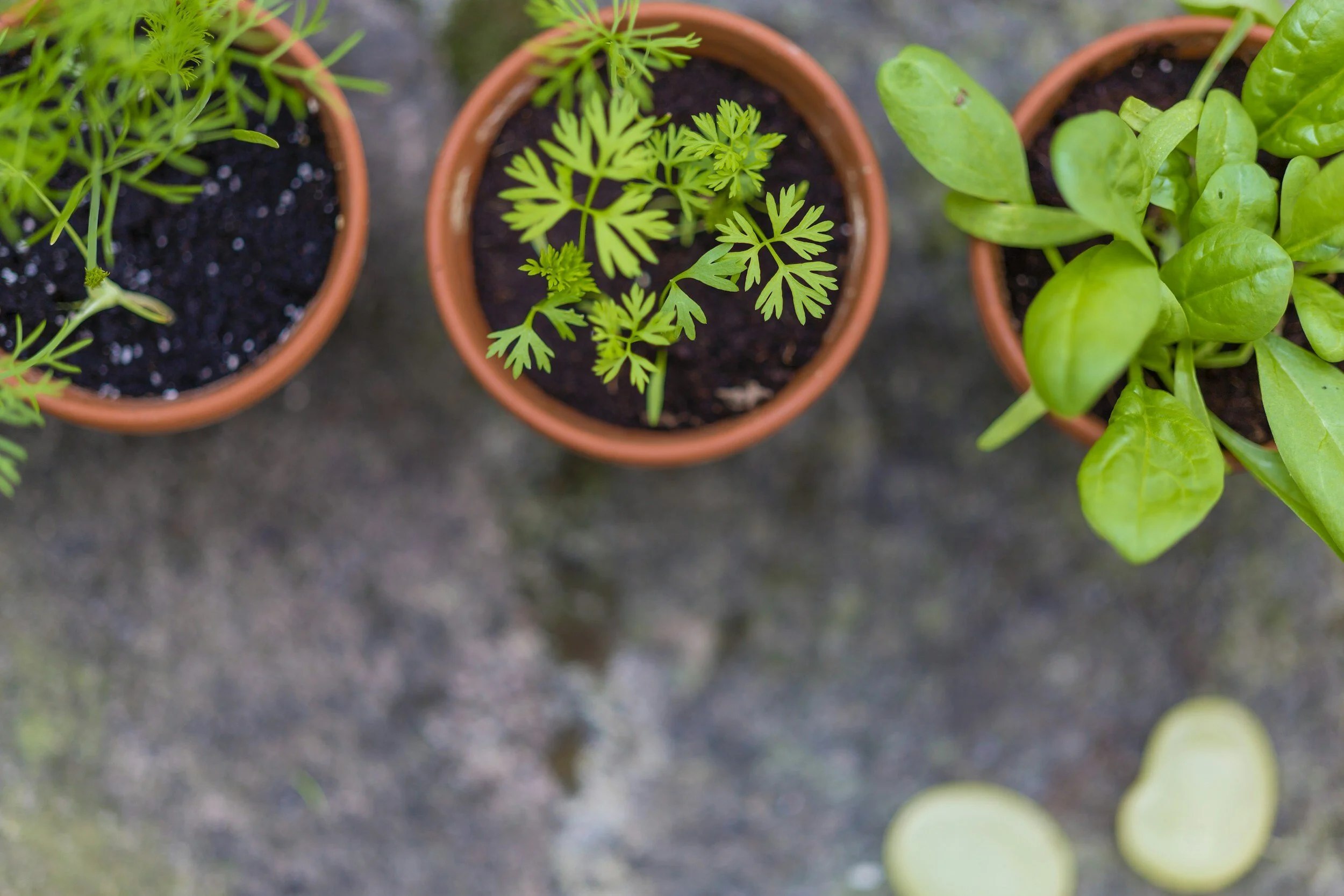
/Most of us water our gardens the way we always have — by hose, by habit, whenever we happen to remember. But a surprising amount of that water never does the plants any good at all. It evaporates into the air, runs off the surface, or sinks straight past the roots before a plant can use it. The good news is that with a few simple changes, you can grow a healthier, greener garden on far less water. Here is how to make every drop count.
Tony Pham @unsplash
Water at the Right Time of Day
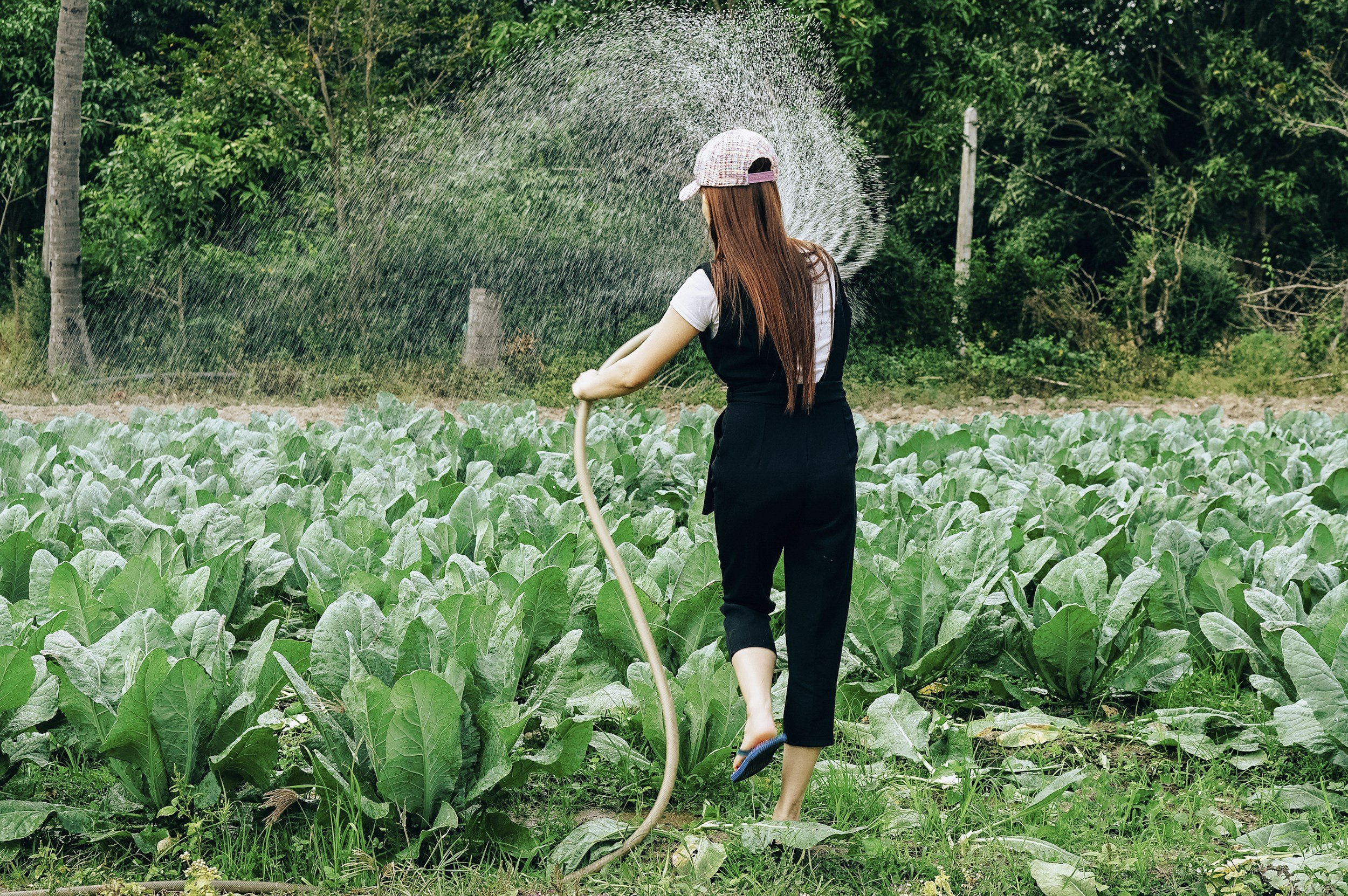
Watering in the middle of a hot afternoon is one of the most common — and most wasteful — gardening habits. Under a strong sun, much of the water evaporates before it ever reaches the roots, and droplets sitting on leaves can even scorch them. The most efficient time to water is early morning, before the heat builds, or in the evening and overnight, when evaporation is at its lowest. Watering in those cooler hours gives the soil time to absorb moisture deeply, so your plants drink it in rather than losing it to the air. If getting out to the garden at dawn isn't realistic for you, this is exactly the kind of task worth automating — more on that below.
Water Deeply, Not Often
A quick daily sprinkle feels caring, but it often does more harm than good. Light, frequent watering wets only the top inch of soil and encourages shallow roots that dry out the moment the weather turns hot. Instead, water deeply and less often. A long, slow soak pushes moisture down to where the roots actually are, encouraging them to grow deeper and become far more drought-resilient over time. For most established plants, one or two thorough waterings a week will beat a daily splash every time — and your plants will be tougher for it.
Anil Sharma @unsplash
Deliver Water Straight to the Roots
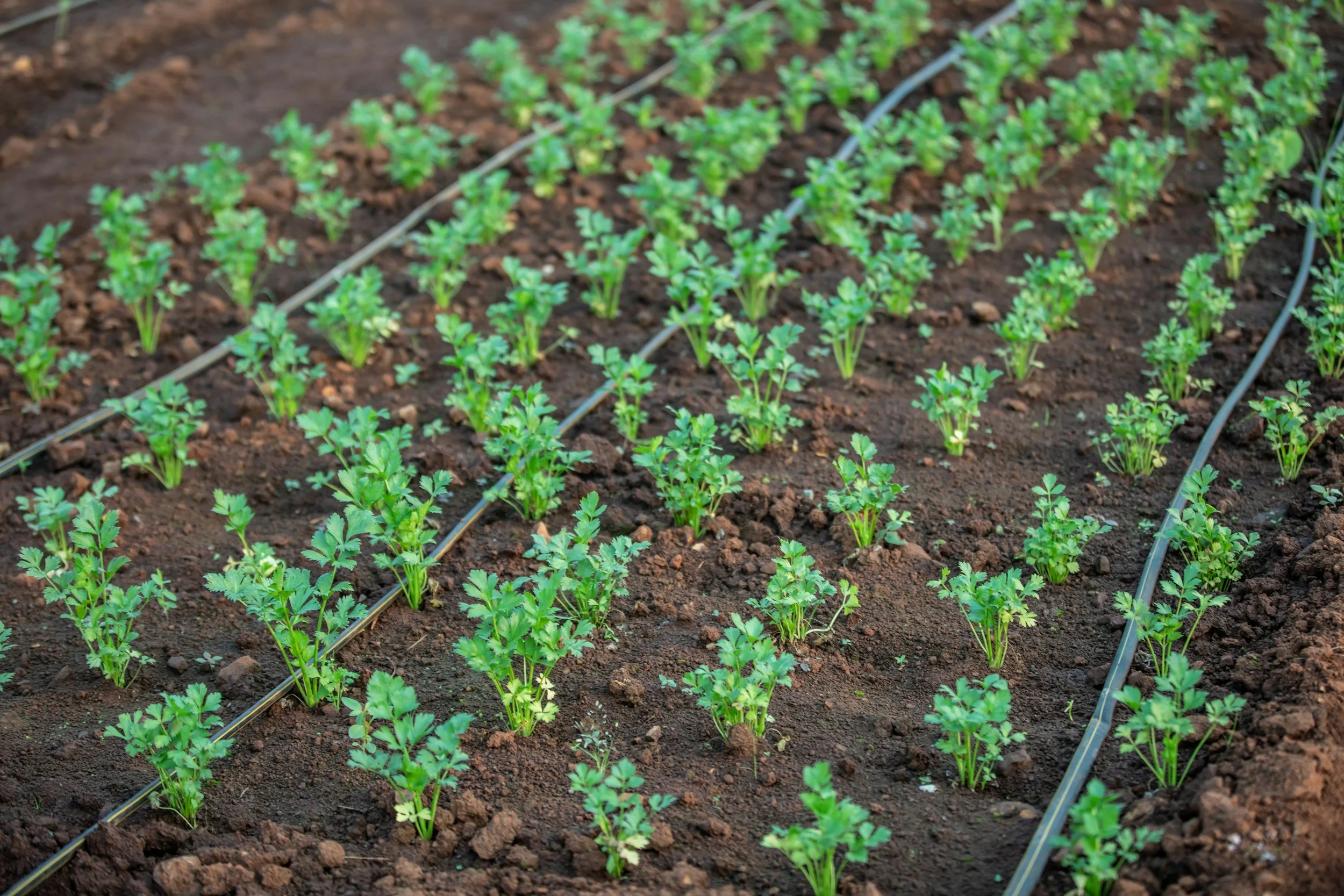
How you water matters as much as when. Overhead sprinklers lose a great deal of water to wind and evaporation, and the wet foliage they leave behind can invite fungal disease. Drip irrigation and soaker hoses, by contrast, deliver water slowly and directly to the soil at the base of each plant — right where the roots can take it up. Drip systems can cut outdoor water use dramatically compared with sprinklers, all while keeping leaves dry and healthy. For raised beds, borders, and vegetable rows, switching to drip is one of the single best water-saving upgrades you can make.
Lock Moisture into the Soil
The soil itself is your biggest water reservoir — if you treat it well. A two- to three-inch layer of mulch (bark, straw, dried leaves, or compost) spread over the soil surface slows evaporation, keeps roots cool, and smothers thirsty weeds before they can compete with your plants. Working compost into your beds helps the soil hold moisture like a sponge, keeping it available to roots for much longer between waterings. Healthy, living soil simply needs less water than bare, compacted ground, so feeding your soil is really a form of feeding your water budget.
Match Plants to Their Place
One of the simplest ways to waste less water is to stop fighting your own growing conditions. Group plants with similar water needs together — a practice sometimes called hydrozoning — so you aren't drowning a drought-tolerant herb just to keep a thirstier neighbor happy. Wherever you can, choose native and climate-adapted plants; they have evolved to thrive on your local rainfall and, once established, usually need far less supplemental watering than exotic varieties. The result is a garden that mostly takes care of itself.
Catch and Reuse What You Can
Rainwater is free and capturing it is one of the most satisfying water-wise habits there is. A simple rain barrel placed under a downspout can store a remarkable amount of water over a season, ready for use during the next dry spell. Many gardeners also put household "greywater" to work — for example, the water left over from rinsing vegetables or waiting for the tap to run hot — to give thirsty plants a free drink. Individually these are small habits, but across a whole growing season they add up to a meaningful amount of water saved.
li quan @unsplash
Let Technology Do the Remembering
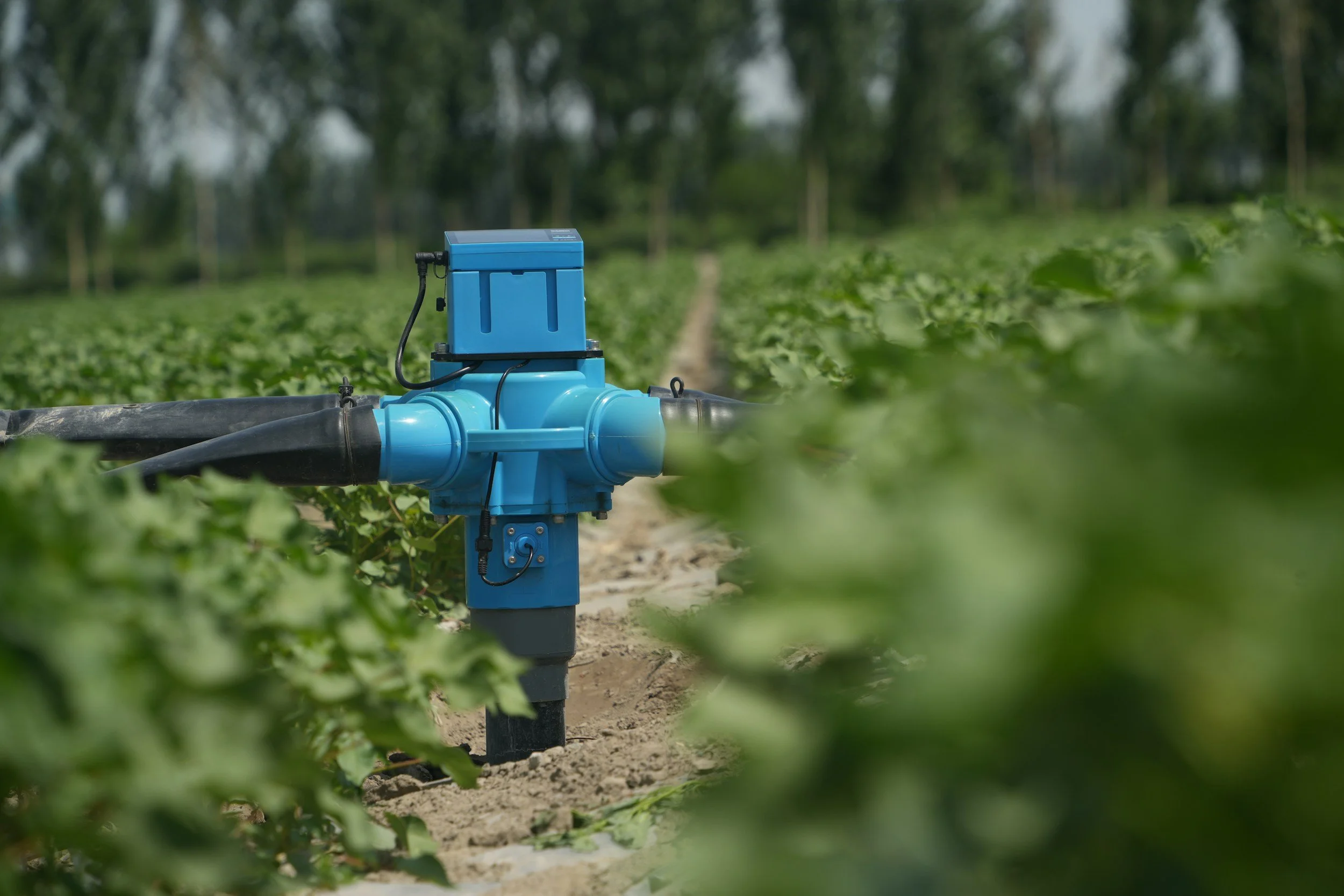
Even the best watering plan falls apart when life gets busy and the garden slips your mind — or when you overwater "just to be safe." This is where a little automation pays off. A basic timer or a smart irrigation system can water your garden on a set schedule, deliver a precise amount, and run automatically in those cool early-morning or overnight hours, recovering the water that midday watering loses to evaporation. Pair it with a soil moisture sensor and the system can even skip a scheduled watering when the ground is already damp, so you never pour water onto soil that doesn't need it.
For larger gardens, community allotments, or properties without easy access to power or wiring, solar-powered smart irrigation valves make this kind of automation possible almost anywhere. They run on a small solar panel, need no trenching or mains electricity, and can be opened, closed, and scheduled from a phone. Whatever the scale of your plot, the principle is the same: let the system handle the timing and the precision, and you will use less water while your plants get exactly what they need, exactly when they need it.
A Quick Water-Wise Checklist
Water in the early morning or overnight, never in the midday heat.
Soak deeply once or twice a week instead of a daily sprinkle.
Use drip lines or soaker hoses to water roots, not leaves.
Mulch generously and feed your soil with compost.
Group plants by water needs and favor natives.
Catch rainwater and reuse greywater wherever you can.
Automate the routine so nothing is lost to forgetfulness.
Water-wise gardening isn't about depriving your plants — it's about giving them what they need, when they need it, and wasting nothing in between. Pick just one or two of these changes to try this season, and you'll likely be rewarded with a greener, healthier garden and a noticeably smaller water bill.
About the author:
This article was contributed by the team at Smart Irrigation Valves, makers of solar-powered, remote-controlled smart irrigation valves used by growers in more than 30 countries to water more efficiently — and waste less.
You may also be interested in…




Most of us water our gardens the way we always have — by hose, by habit, whenever we happen to remember. But a surprising amount of that water never does the plants any good at all. It evaporates into the air, runs off the surface, or sinks straight past the roots before a plant can use it. The good news is that with a few simple changes, you can grow a healthier, greener garden on far less water. Here is how to make every drop count.