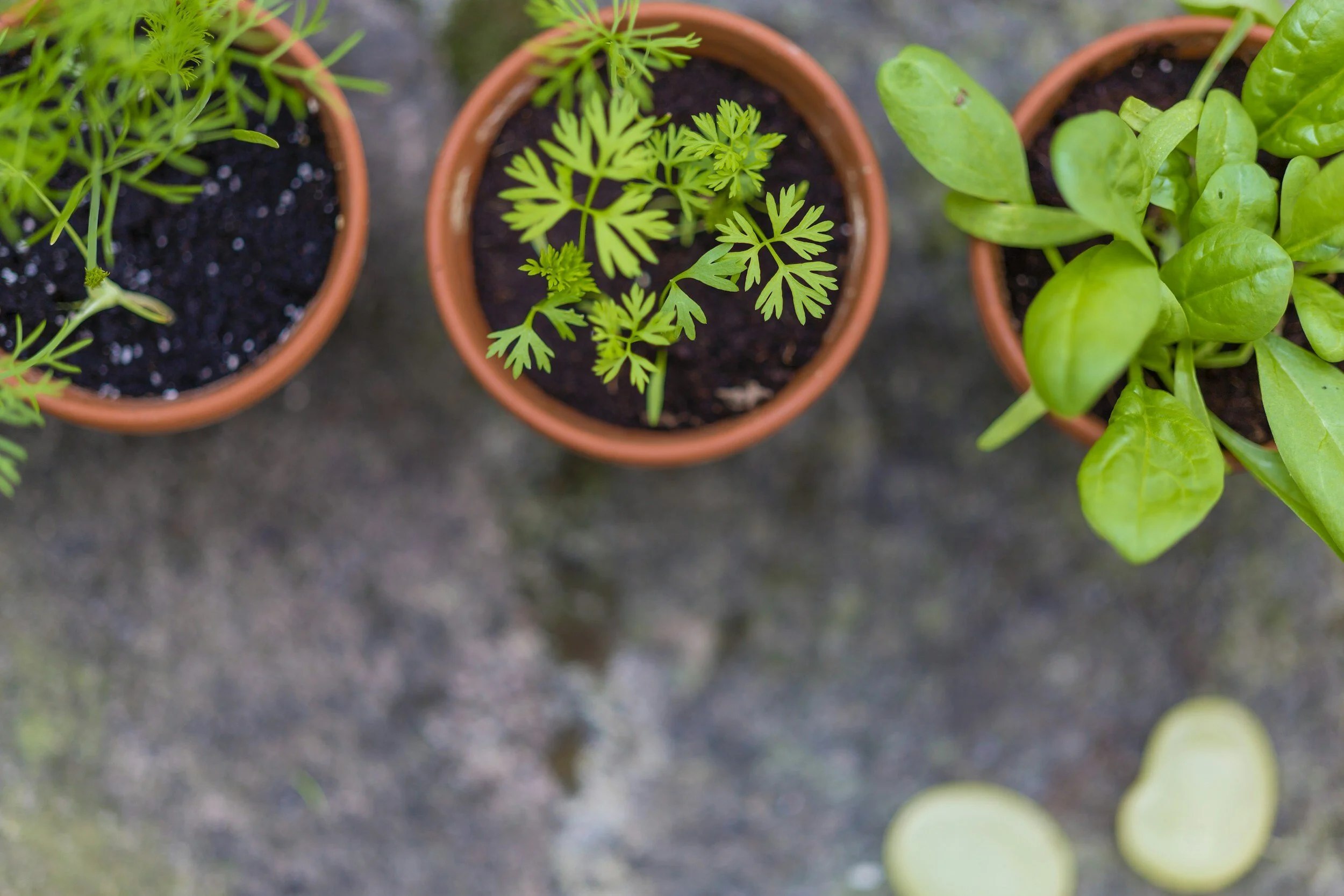



Succession Planting: How to Harvest More from the Same Space
/My biggest problem in growing an edible food garden has long been not planting enough. While I always started my garden by planting a wide variety of vegetables, legumes, and flowers, by midsummer, some of my raised beds would always begin to look disappointingly sparse. When my early crops -- spinach, radishes, peas, bok choy and lettuce – finished producing and I pulled them, bare patches of soil were inevitably left behind. While there’s nothing wrong with enjoying a successful harvest, those empty spaces always struck me as a missed opportunity.
Then I started succession planting.
With succession planting, realized that I could grow a lot more, for a lot longer throughout the growing season before having to use frost covers or shift my gardening focus by switching to indoor hydroponic gardening systems. In fact, succession planting is one of the simplest ways to increase the productivity of your outdoor garden without expanding its size. By strategically planting crops throughout the growing season, you can harvest more food from the same space, improve soil health, and keep your garden productive from spring until frost.
Whether you grow in raised beds, containers, or a traditional in-ground garden, succession planting can help you make the most of every square foot.
What Is Succession Planting?
Succession planting is the practice of sowing or transplanting crops at different times throughout the growing season to ensure a continuous harvest. Instead of planting everything at once and harvesting it all at the same time, succession planting staggers planting dates or replaces harvested crops with new ones.
The goal is simple: keep your growing spaces occupied by productive plants for as much of the season as possible.
There are different ways to succession plant:
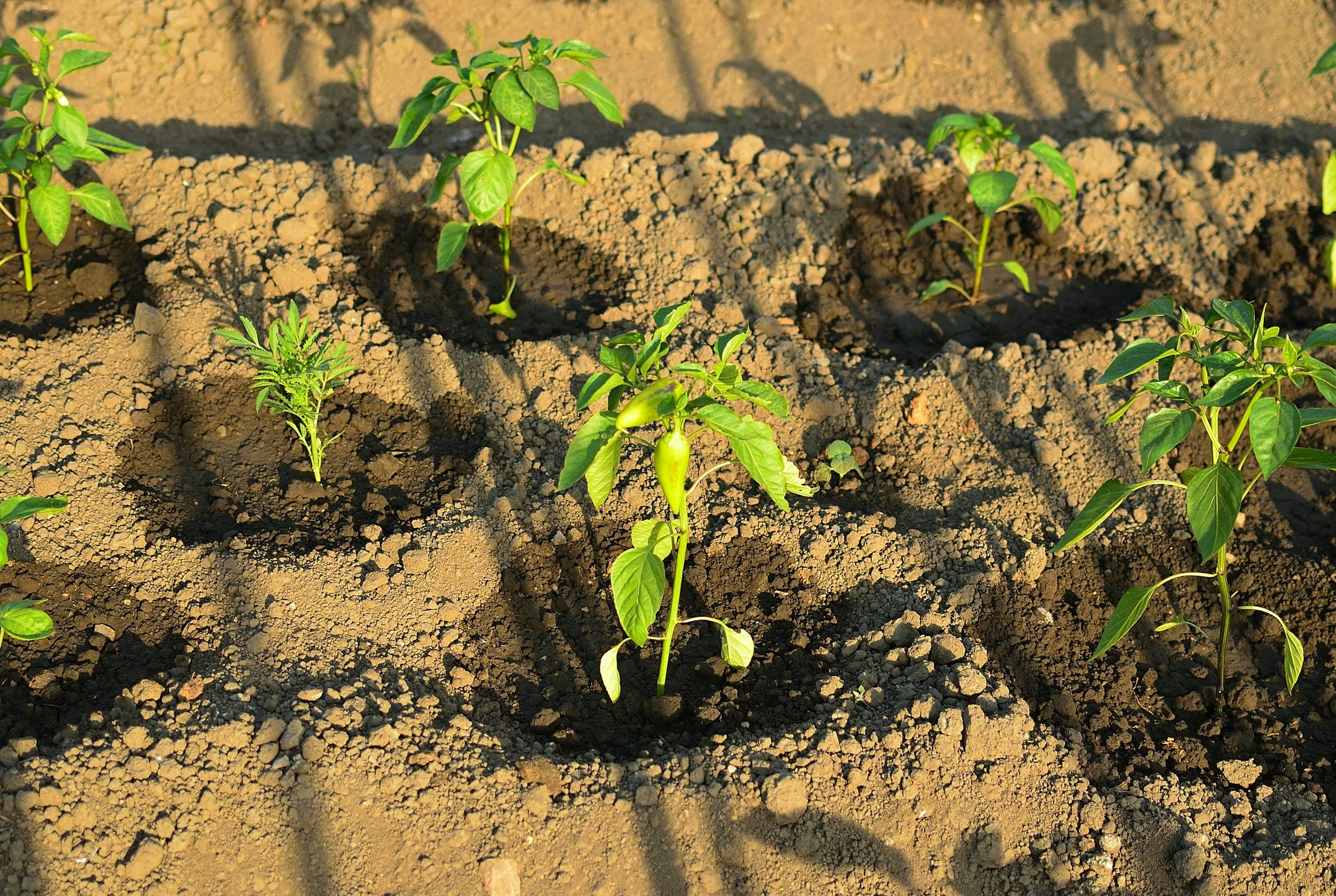
Aleksandr Gorlov @unsplash
Plant the same crop every few weeks for a continuous harvest.
Immediately replace harvested crops with new crops.
Interplant fast-growing crops between slower-growing crops.
Follow one crop with another that thrives in a different season.
Many experienced gardeners combine all four approaches throughout the year.
Why Succession Planting Works
One of the biggest challenges in home gardening is matching crop timing to available space. Some vegetables mature in just a few weeks, while others can occupy a bed for several months.
For example, radishes are often ready to harvest in about 25 to 35 days. If you plant a bed of radishes in early spring and leave the space empty afterward, that bed may sit unused for weeks or months.
Succession planting allows you to immediately follow those radishes with beans, carrots, cucumbers, basil, or another crop.
The benefits include
Higher overall yields
More efficient use of garden space
Continuous harvests throughout the season
Reduced weed pressure
Better soil protection
More consistent access to fresh produce
For gardeners who are working with limited spaces, succession planting can dramatically increase food production without requiring additional beds. This is one of the most efficient ways to grow an abundant garden in a small space.
Method 1: Stagger Planting Dates
One of the easiest forms of succession planting is to sow small amounts of a crop every two to three weeks. This approach works especially well for vegetables that mature quickly and that may be harvested all at once.
Some excellent candidates include:
Lettuce
Arugula
Bok Choy
Spinach
Radishes
Beets
Bush beans
Cilantro
Dill
For example, instead of planting an entire packet of lettuce in April, sow a small section every two weeks. As one planting reaches maturity, another will be approaching harvest. You can use any space left in your planting area to plant something else that makes a good companion plant for lettuce, such as arugula.
This method prevents the common problem of having more lettuce, radishes, or beans than you can use at one time while also extending your harvest season.
Method 2: Replace Harvested Crops
A second approach involves immediately replanting a bed after a crop has finished producing. This is where many gardeners tend to leave potential harvests on the table.
Whenever a crop is removed, ask yourself a simple question: What can I grow here next?
For example:
Spring lettuce → summer bush beans
Spring spinach → cucumbers
Peas → carrots
Garlic → fall broccoli
Onions → fall greens
Early potatoes → fall kale
The sooner you replant after harvesting, the more productive your garden will become. Adding a thin layer of compost before replanting helps replenish nutrients and prepares the soil for the next crop.
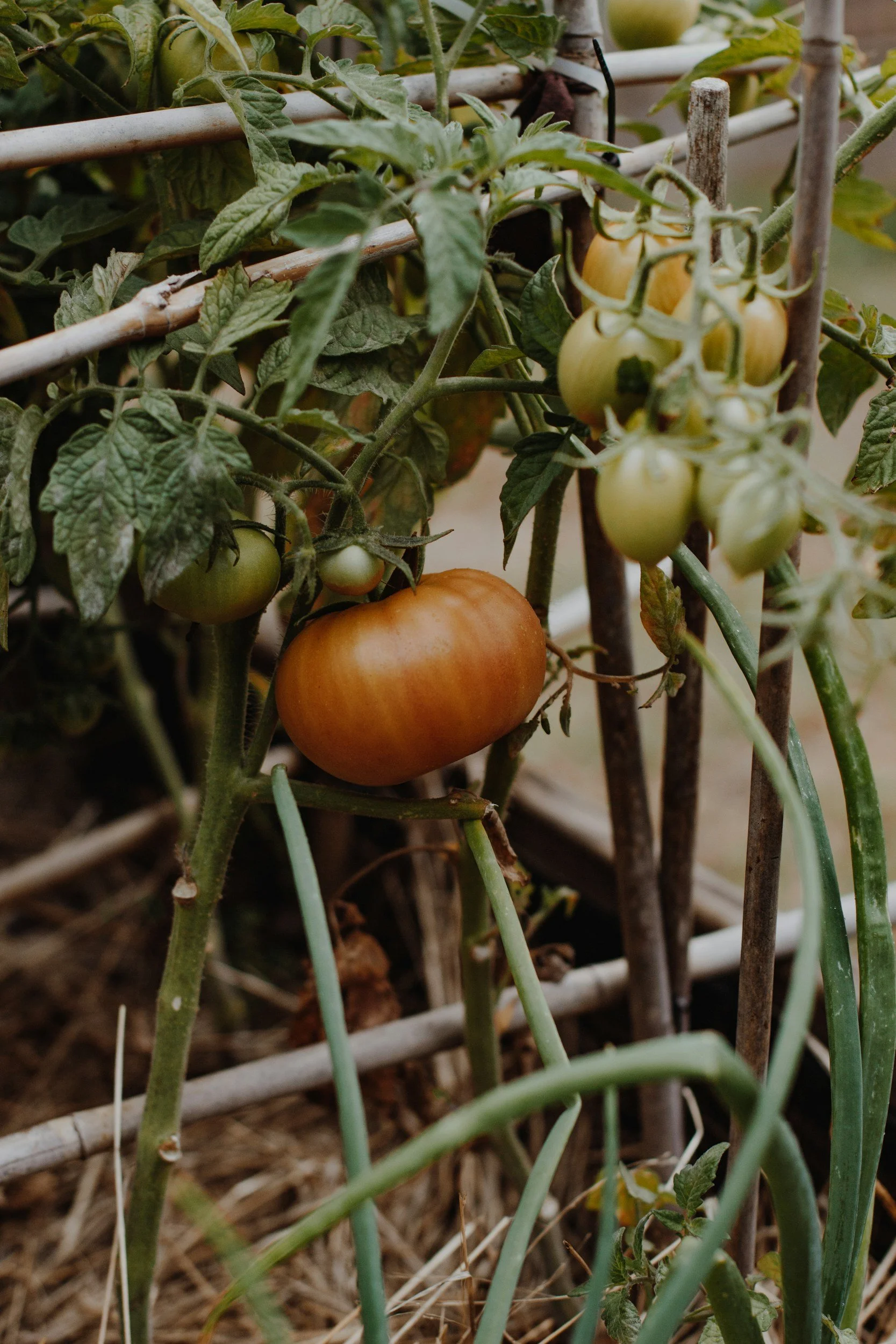
Sincerely Media @unsplash
Method 3: Interplant Fast and Slow Crops
Interplanting combines crops with different growth rates in the same space. The fast-growing crop is harvested before the larger crop requires the extra room. For example, you can plant lettuce around young tomato plants after the danger of frost has passed or one month to six weeks before the summer heat typically arrives in your growing zone. By the time the tomatoes expand, the lettuce will be ready to harvest.
Other effective combinations include:
Radishes with peppers
Lettuce with broccoli
Spinach with cabbage
Green onions with tomatoes
Arugula with eggplants
This strategy allows you to harvest two crops from the same space simultaneously during part of the season. It’s especially useful in raised beds where space may be limited.
Method 4: Plan for Seasonal Transitions
Many vegetables prefer cool weather, while others thrive in summer heat. Succession planting helps you transition smoothly between these growing seasons.
Cool-season crops include:
Lettuce
Spinach
Peas
Kale
Broccoli
Carrots
Radishes
Warm-season crops include:
Tomatoes
Peppers
Cucumbers
Squash
Beans
Eggplants
A productive garden often moves from cool-season crops in spring to warm-season crops in summer and back to cool-season crops again in late summer and fall.
For example:
Spring spinach → summer bush beans → fall kale
Spring radishes → summer cucumbers → fall lettuce
Spring peas → summer carrots → fall kale
This seasonal progression keeps beds occupied and productive throughout the year.
Succession Planting in Raised Beds
Raised beds are ideal for succession planting because they are easy to manage and replant quickly. To maximize productivity, use these best practices:
Keep transplants ready for open spaces.
Add compost between plantings.
Use intensive spacing where appropriate.
Maintain consistent watering.
Keep a garden journal or planting calendar.
Because raised beds warm quickly in spring and drain well, they often support multiple successive plantings each season. Many gardeners are surprised by how much food a single raised bed can produce when succession planting becomes part of their routine. It may not be enough to replace all of your grocery shopping for fresh produce, but it can replace most of it with careful planning and consistency.
Succession Planting in Containers
Container gardeners can use succession planting just as effectively. In fact, containers offer excellent flexibility because individual pots can be refreshed and replanted whenever needed.
Good succession options include these combinations:
Spring lettuce → summer basil
Spinach → peppers
Radishes → bush beans
Cilantro → parsley
Lettuce → fall spinach
Since containers dry out faster than garden beds, pay close attention to watering and fertilization when transitioning between crops. Adding a fresh application of compost or organic fertilizer often helps new plantings establish themselves more quickly.
Don't Forget Your First Frost Date
One key to successful succession planting is timing. Before sowing a second or third crop, make sure there are enough growing days remaining before your average first fall frost.
Check the days-to-maturity listed on seed packets and count backward from your expected frost date. For example, if carrots require 70 days to mature and your first frost typically arrives in early November, you'll want to plant them no later than late August.
Gardeners who use row covers, cold frames, or unheated greenhouses can often extend their succession planting schedule even further.
Create a Succession Planting Plan
The most successful succession planting plans don’t rely on your memory alone.
A simple planting plan can help you identify:
What is growing in each bed
Expected harvest dates
Available space after harvest
Suitable replacement crops
Planting dates for fall crops

Prophsee Journals @unsplash
Using a garden journal is often the most efficient way to keep track of the progress of your succession plantings during the growing season and over time. However, even a basic spreadsheet, notebook, or printable garden planner can make succession planting much easier to manage.
After one season of tracking your results, you'll begin to see patterns that help you refine your planting schedule for future years.
Harvest More Without Expanding Your Garden
Many gardeners assume that producing more food requires building additional raised beds or expanding their growing area. In reality, one of the easiest ways to increase your harvest is to make better use of the space you already have.
Succession planting keeps your garden productive from spring through fall by ensuring that empty spaces are quickly filled with new crops. It doesn’t matter if you're sowing lettuce every few weeks, replacing harvested vegetables with new plantings, or transitioning between cool-season and warm-season crops. Each small step adds up to significantly greater yields over the course of a single growing season.
With a little planning, even a small garden can produce an impressive amount of fresh food. It doesn’t have to be complicated: whenever a space opens up, just have another crop ready to take its place.
You may also be interested in…



Summer is when a vegetable garden really begins to reveal the results of all the planning, planting, and care that went into spring planting. Tomatoes and eggplants begin ripening, cucumbers swell on their trellises, peppers fill out, and herbs seem to grow faster than you can harvest them. Yet this is also the point in the season when many gardens begin to lose momentum. Heat stress, inconsistent watering, nutrient deficiencies, weeds, and pests can quickly reduce yields if they are not addressed.