



Small Home Improvements with a Big Environmental Impact
/Solar panels, a complete home remodel, and smart-home technology are not compulsory to make a home eco-friendly. Minor changes that make the best use of existing materials; save energy, water and create better indoor air quality; and extend the life of materials already installed can be some of the most beneficial and sustainable upgrades.
The changes that may come about might seem insignificant on their own but will cumulatively take effect over time. Installing a water-efficient faucet, closing the door properly or just being thoughtful about lighting around the house can help you enjoy environmental benefits daily for years. The gradual nature of these small improvements makes sustainable living more accessible, allowing homeowners and renters alike to make meaningful progress without feeling overwhelmed.
The first step is to identify where your home is wasting resources and choose improvements that address those problems without creating unnecessary waste.
Begin With a Simple Home Resource Check
Before purchasing new products, use energy and water in your home for a couple of days to see how it is being used. Check to determine whether lights are unnecessarily on in unoccupied areas, faucets drip even when turned off, heating and cooling systems are not covering areas of the home adequately, or appliances are running when not needed.
A simple review of these areas of your home is a great way to find some ideas for inexpensive yet very effective improvements. A weatherstrip could be a more economical choice than replacing a front or back door if drafts are entering the home through cracks around the door. It’s also more economical to manage the amount of direct sunlight entering a room rather than further increasing A/C capacity if it is becoming too hot during the afternoon.

Chanhee Lee @unsplash
It's also a good idea for owners to study their service bills from one season to another. Sudden increases are an indicator of leaks, wasteful uses of appliances, a lack of insulation or significant lifestyle changes.
Seal the Gaps That Waste Heating and Cooling
Conditioned air can leak out through small holes around windows, exterior doors, electrical outlets, access to attics and around plumbing. These openings can cause the heating and cooling to run longer than necessary, leading to excess energy consumption and costs.
Weatherstripping can be used around movable parts like doors and/or operable windows. Caulk is often good for cracks and joints that won’t move. When selecting materials, homeowners should take into account the specific application and replace weatherstripping or seals when they lose contact with the surface.
One of the most common areas that are often overlooked is the attic hatch. If left open or badly covered, an affected opening can allow a significant amount of warm air to rise and escape, resulting in a loss of heat loss in cold weather. It's a fairly simple job to fix this problem, and it can help to make the house more comfortable overall.
However, before completing any sealing project, homeowners should take their ventilation needs into account. Proper ventilation is essential for removing excess moisture and maintaining healthy indoor air quality, particularly in kitchens, bathrooms, around combustion appliances, and in other enclosed spaces.
Manage Sunlight Before Putting the Thermostat
Windows provide daylight, ventilation, and access to the exterior, but they can also cause undesirable heat gain or heat loss. Windows account for approximately 25 – 30 percent of the total energy used in the home for heating and cooling, according to the U.S. Department of Energy.
It is not always cost-efficient and environmentally sound to replace all of the windows in a home. Manufacturing, transporting, and disposing of new windows also consumes energy and resources. For many households, improving the performance of existing windows may be a more practical and sustainable first step.
Window treatments can provide an additional layer of privacy while reducing direct sunlight and heat gain. During hot weather, close blinds, curtains, or shades before the strongest sunlight reaches your windows to help keep rooms cooler. In cold weather, close them after dark to reduce heat loss, but avoid creating condensation between the window and the covering, as excess moisture can lead to mold or other problems.
The most appropriate window treatment will vary according to the climate, orientation of the window, family requirements and the existing glass. The performance of insulated cellular shades, lined curtains, shutters and reflective shades are different. Thus, homeowners should not just opt for the look of a covering, but consider its use during the day.
The Department of Energy has also found insulated cellular coverings to be a desirable way of mitigating heat loss and solar gain. But no one product performs equally well in all climates. As important as the material is its proper use and safe installation.
Replace Inefficient Lighting Strategically
One of the easiest ways to save on electricity usage at home is to switch to more energy-efficient bulbs, but they don't all have to be replaced right away. Instead, you can first change the lights that are used most often and change the remaining lights when they burn out.
According to Energy Star, LED lighting is up to 90 percent as efficient as standard incandescent light bulbs. LEDs also have a longer lifespan, thus reducing the need for replacement bulbs to be made, packaged, shipped, and disposed of.
However, energy efficiency doesn't have to come at the expense of comfort or functionality. Choose lighting levels, color temperatures, and fixtures that are appropriate for each room. Specific rooms in the house may need different types of lighting; for example, task areas may require bright white light, while warmer light is often better suited for living rooms, bedrooms, and other spaces.
The judicious use of day light will also help to reduce the need for artificial lights. But daylight can be amplified without making any major changes by using mirrors and unobtrusive interior surfaces, avoiding blocking windows and being strategic with furniture arrangements.
Reduce Water Waste at the Fixture
A slow drip repeated many times throughout the day wastes treated water that has been pumped, transported, and delivered without serving any useful purpose. The first water-saving repairs should be fixing leaky faucets, leaking toilets, and leaking outdoor hose connections.
Chandler Cruttenden @unsplash
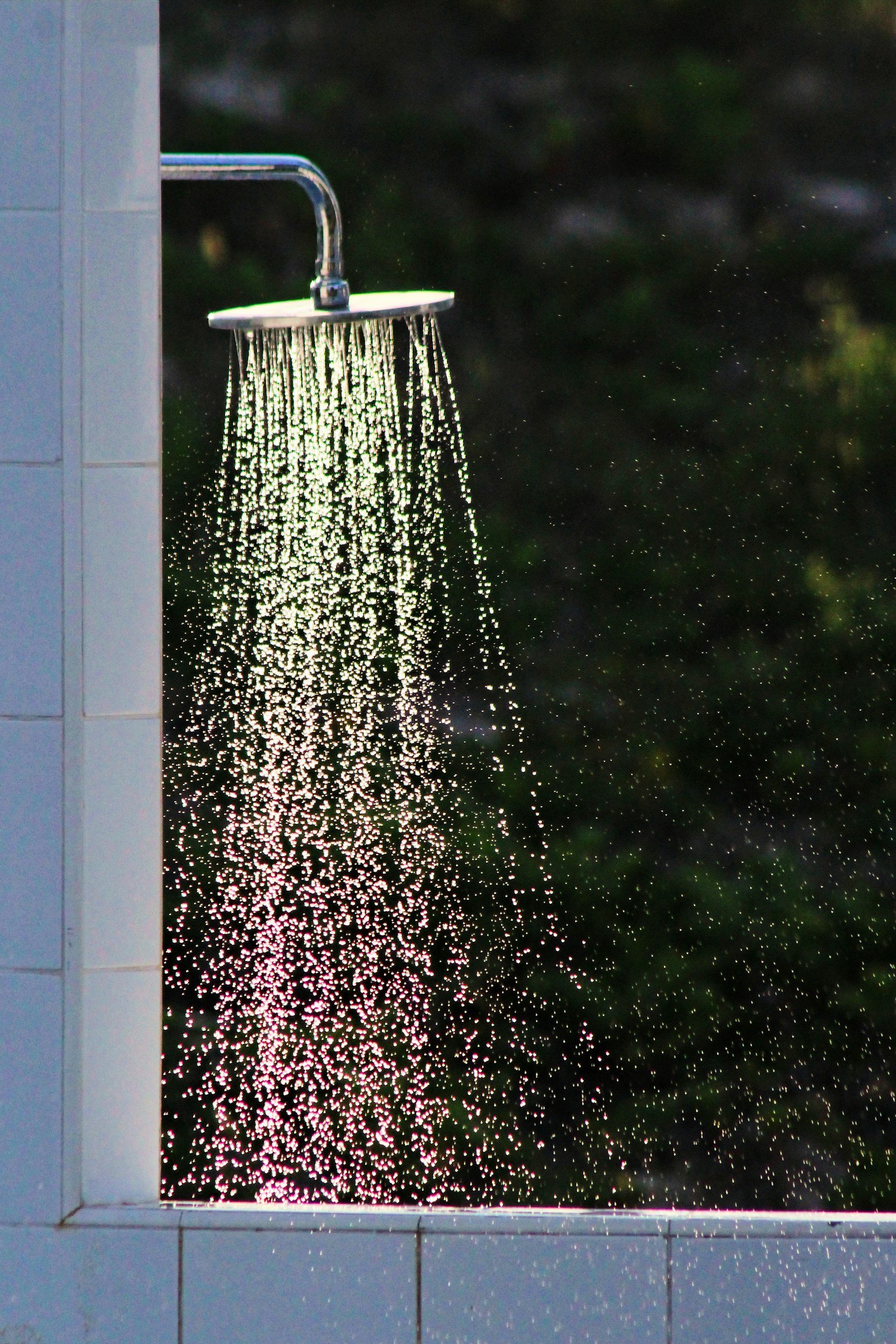
Water-efficient showerheads help to minimize water usage without sacrificing water pressure. According to the U.S. Environmental Protection Agency, WaterSense-labeled faucets and bathroom accessories save 30 percent or more water, while delivering comparable performance.
Look for any toilet leaks that don't make a sound. If the toilet hasn't been flushed, adding a little food coloring to the reservoir will indicate whether the water is going into the toilet bowl.
There are other ways of saving water while going about your daily household tasks. Running the dishwasher and washing machine only when full or shutting off the water while you're brushing your teeth and taking the time to collect the water you need until the water heater heats it up are simple strategies that can help save water.
Improve Indoor Air with Safer Material Choices
Environmental responsibility includes protecting both indoor and outdoor environments. VOCs (volatile organic compounds) can be emitted by paints, adhesives, finishes, cleaners and new furniture.
The EPA says several organic pollutants are frequently found at higher levels in indoor environment versus outdoor environments. Homeowners should review the information about the products they are considering when painting or making small repairs, and can use this as an opportunity to consider low-VOC or zero-VOC products. Even though the labels say low VOC, read them carefully, since low VOC doesn't mean that all ingredients on the label are safe.
During painting, sealing or installing of new materials, ventilation is also important. Open windows if the weather permits and turn on exhaust fans if you have them. Products should also be stored and disposed of as directed and not poured down household drains or left open in the house.
If you have an old house, you don't need to change all of your finishes to create a healthier home. It simply means being more mindful of the choices you make when repairs or replacements are needed.
Repair, Refinish, and Reuse Before Replacing
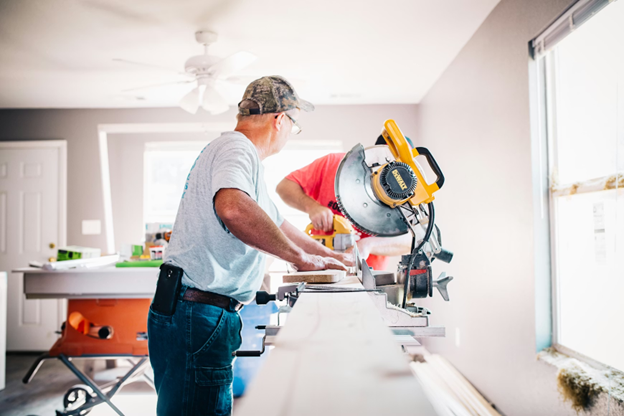
The possibilities for renovation waste multiply quickly once older materials are removed because they are "outdated". Consider repairing, refixing, refitting, painting or adapting a cabinet, floor, door, furniture or shelving before disposing of it if it needs replacing.
Even if cabinet doors or hardware are worn, the structure of the cabinet boxes may still be intact. There are several ways to give an old kitchen a new life without a significant amount of kitchen waste being sent to the landfill, such as handle, hinge or surface replacement.
Any surplus tiles, wood, hardware or materials that are not used may be helpful for re-use, repair, or donating to community groups or other homeowners. Materials that have been reclaimed can be used for decoration in the home, but should be checked for structural suitability, contamination and safety before using.
If a replacement is needed, durability will need to be taken into account in conjunction with recycled content or environmental claims. An effective product that can be used and reused over a long period of time can reduce overall waste compared to a lower quality product with a short life.
Make Outdoor Areas Work With Nature
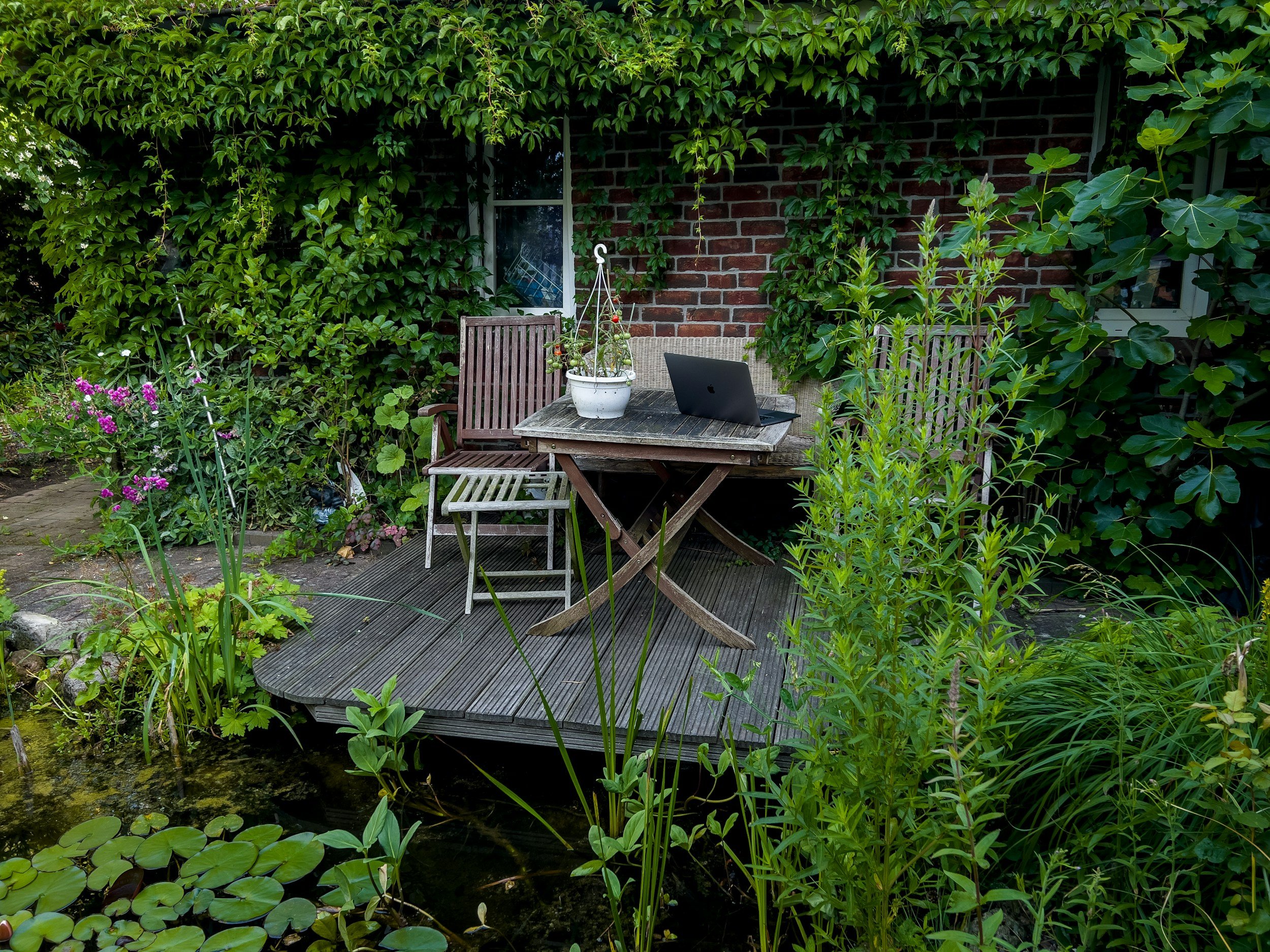
Additions to the garden are an opportunity to help animals, cut back on water consumption and keep the garden easier to care for. Some lawn area can be replaced with regionally-suitable plants, which leads to fewer mowing, fertilizer and irrigation needs.
Matthew @unsplash
If they are suitable for the soil and climate conditions in the area, native plants can be particularly beneficial. Native plants become crucial food sources and habitat for native pollinators, birds, other wildlife and can be managed with reduced external inputs once established, because they are naturally adapted to the area.
Rainwater can also be managed in more environmentally sound ways. Ponding, mulching to retain moisture and using a rain barrel (when feasible as approved by the area's regulatory agency) may reduce the quantity of treated water required to maintain your landscape. Gutters and collection systems should not be neglected and blocked: blockages can lead to foundation damage, uncontrolled overflow and mosquito breeding.
Ideally, the use of natural pest-management techniques should be the first line of defense in the garden prior to the use of broad chemical treatments. Solutions may be available that do not cause substantial harm to other species present that are cost-effective, involve pest identification, improving soil health, attracting beneficial insects and removing affected materials.
Use Smart Controls Without Creating More Electronic Waste
There are technologies that can help reduce wasted energy, like timers or programmable thermostats, smart plugs and occupancy sensors. It is helpful to have a programmable thermostat in any home that has a set schedule. A timer is useful for limiting night time outdoor lighting. Smart plugs can help save standby power from certain electronics, but it's also easier to simply turn off a power strip when it’s not needed.
Cost and durability are considerations when buying a connected device, as are software availability and option for repair, and compatibility with existing devices, systems. A complex product may produce more e-waste than a manual, reliable product, if it is fast becoming obsolete.
Measure Progress Rather Than Chasing Perfection
An eco-friendly home is built gradually, one improvement at a time. A complete replacement of all appliances, fixtures and materials can be expensive and more important, can unintentionally be wasteful.
Instead, homeowners can pick one improvement at a time, observe the outcome and then make a choice about going forward with another improvement. Water bills, indoor temperature, water-meter readings and maintenance records can give evidence of whether or not a change is truly benefitting the household.
A seasonal check is beneficial, too. Inspect all seals, filters, gutters, plumbing connections and outdoor irrigation and temperature controls window treatments in the fall and spring. Regular maintenance will ensure the performance of improvements made and can extend the useful life of various household products.
Making an environmental impact with your home improvements is ultimately less about making a home that's perfect in a few days and more about minimizing unnecessary waste and being more conscious about making any repair, purchase or renovation.
Making Small Home Improvements Environmentally Sound
The small things in the house which can be done to cut down on additional pollution, unnecessary energy usage, water usage, and loss can have a big impact on the environment. Other changes that can be implemented for many homes without a huge overhaul include sealing drafts, controlling the sunlight, fixing leaks, using non-hazardous materials, lighting renovations, and the reuse of existing features.
These adjustments will have a more powerful effect if they are implemented regularly over a period of time. There’s not one high-dollar element that can make a home truly sustainable. Instead, sustainability is achieved through the everyday choices we make to conserve resources, minimize environmental impact, and extend the lifespan of the materials and products we use.
About the Author:
Our team at Window Treats, Inc. specializes in premium window treatments, including custom blinds, shades, and shutters, helping homeowners create stylish, comfortable, and energy-efficient living spaces. We share practical tips and expert insights to help readers make informed home improvement decisions.
You may also be interested in…




Solar panels, a complete home remodel, and smart-home technology are not compulsory to make a home eco-friendly. Minor changes that make the best use of existing materials; save energy, water and create better indoor air quality; and extend the life of materials already installed can be some of the most beneficial and sustainable upgrades.