


Not All Caterpillars Are Pests: How to Manage Them in Your Edible Garden
/Have you ever walked out to your vegetable garden, found leaves full of gaping holes, and wondered what caused them? Chances are that caterpillars are the culprits. For many gardeners (including me), the immediate reaction is to find a way to eliminate them before they destroy an entire crop. And yes, they can do that very quickly, especially if you’re dealing with several hungry caterpillars in a small space.
As someone who has generally aimed to dispatch any and all caterpillars she encountered in her garden, I’m here to say that not all of them are bad for your crops.
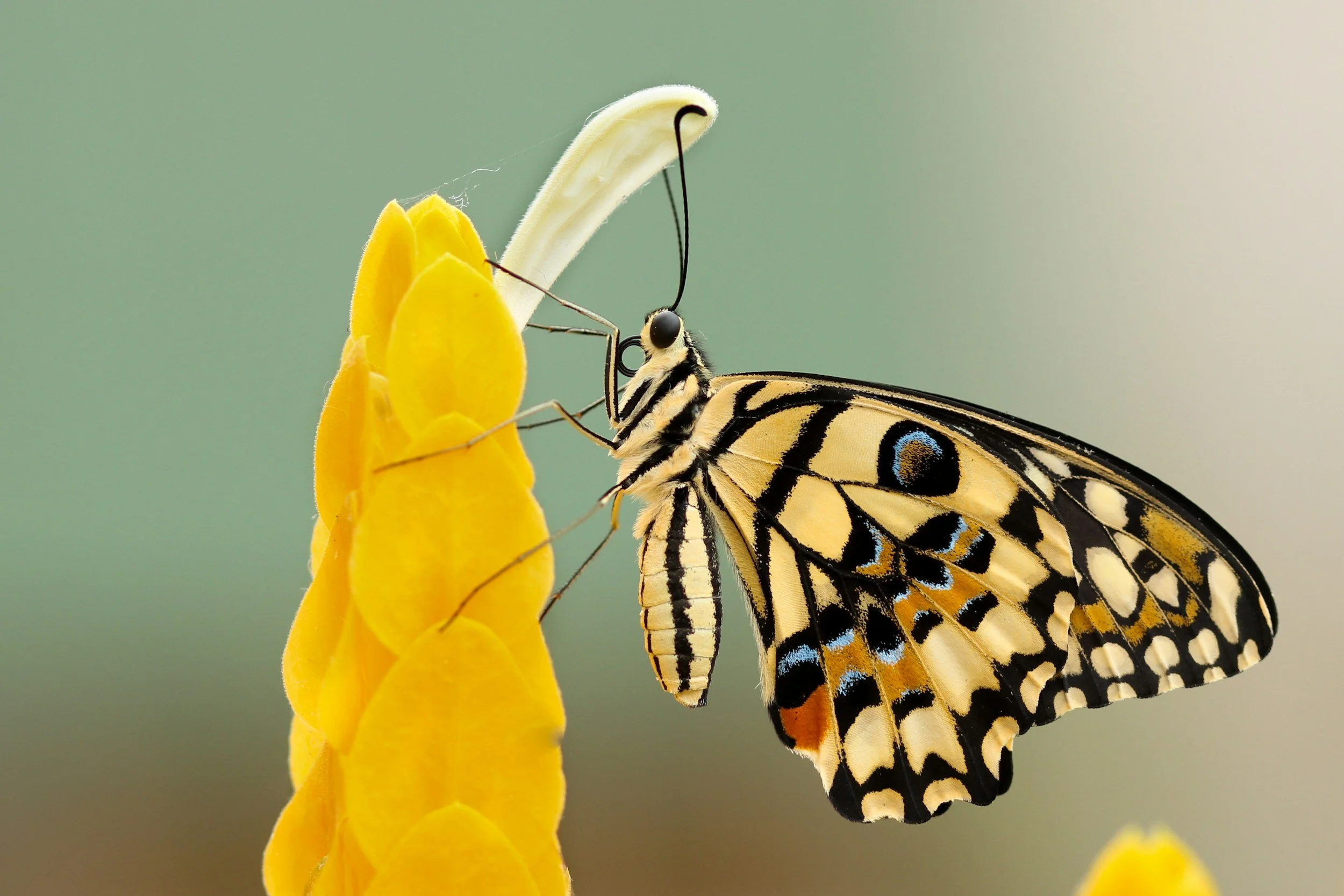
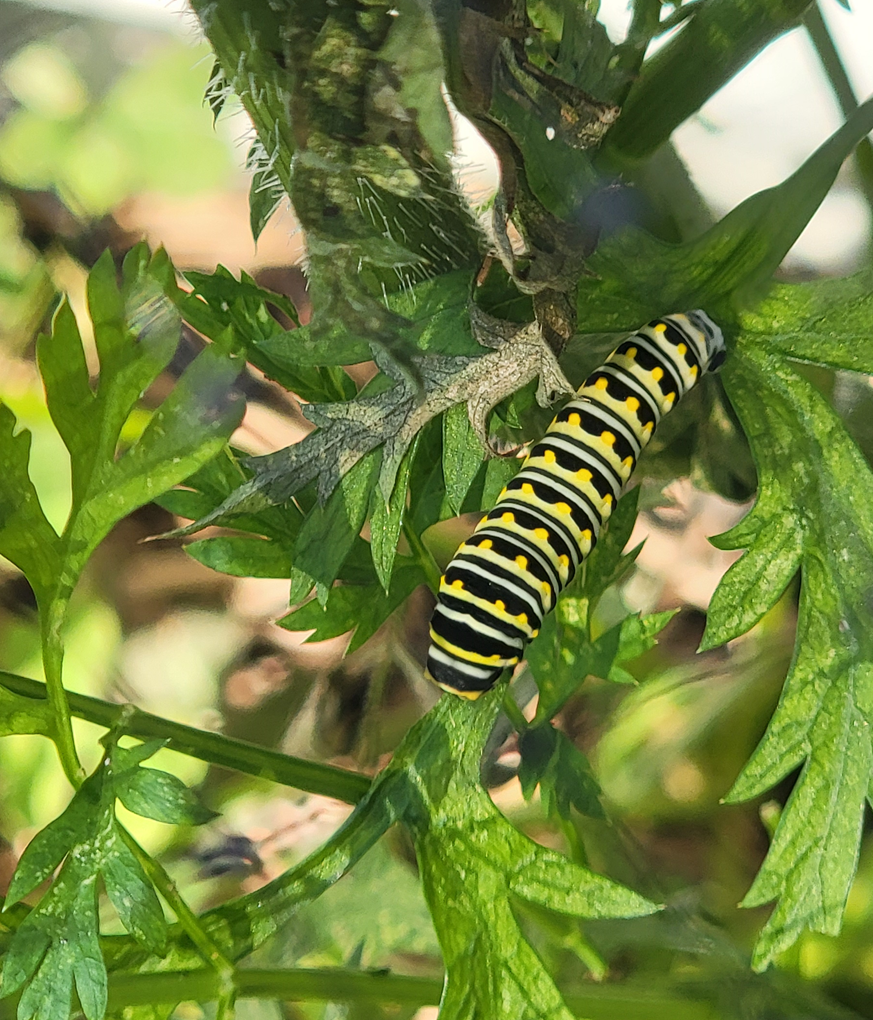
Some of them can even be welcome guests. I found this out last summer while tending to a bed that contained a large parsley plant that had become home to a yellow caterpillar with black and white stripes. After moving it to a parsley plant in a different bed, my daughter and I decided to bring it in when it formed a pupa. Weeks later, we released it as a beautiful female Eastern black swallowtail butterfly (hopefully to find a mate and lay eggs).
Ok, I admit to being biased – I entertain very few caterpillars in my edible garden, but not all of them are the enemy.
Boris Smokrovic @unsplash
Some species can cause significant damage to vegetables, while others become beautiful butterflies and moths that help support local ecosystems. Learning to identify which caterpillars are causing problems and which ones deserve a place in your garden can help you strike the right balance between protecting your harvest and supporting helpful pollinators.
Why Caterpillars Aren't Always the Enemy
Caterpillars are just the larval stage of butterflies and moths. While many can easily destroy your vegetable crops, some play an important role in local food webs and pollinator populations.
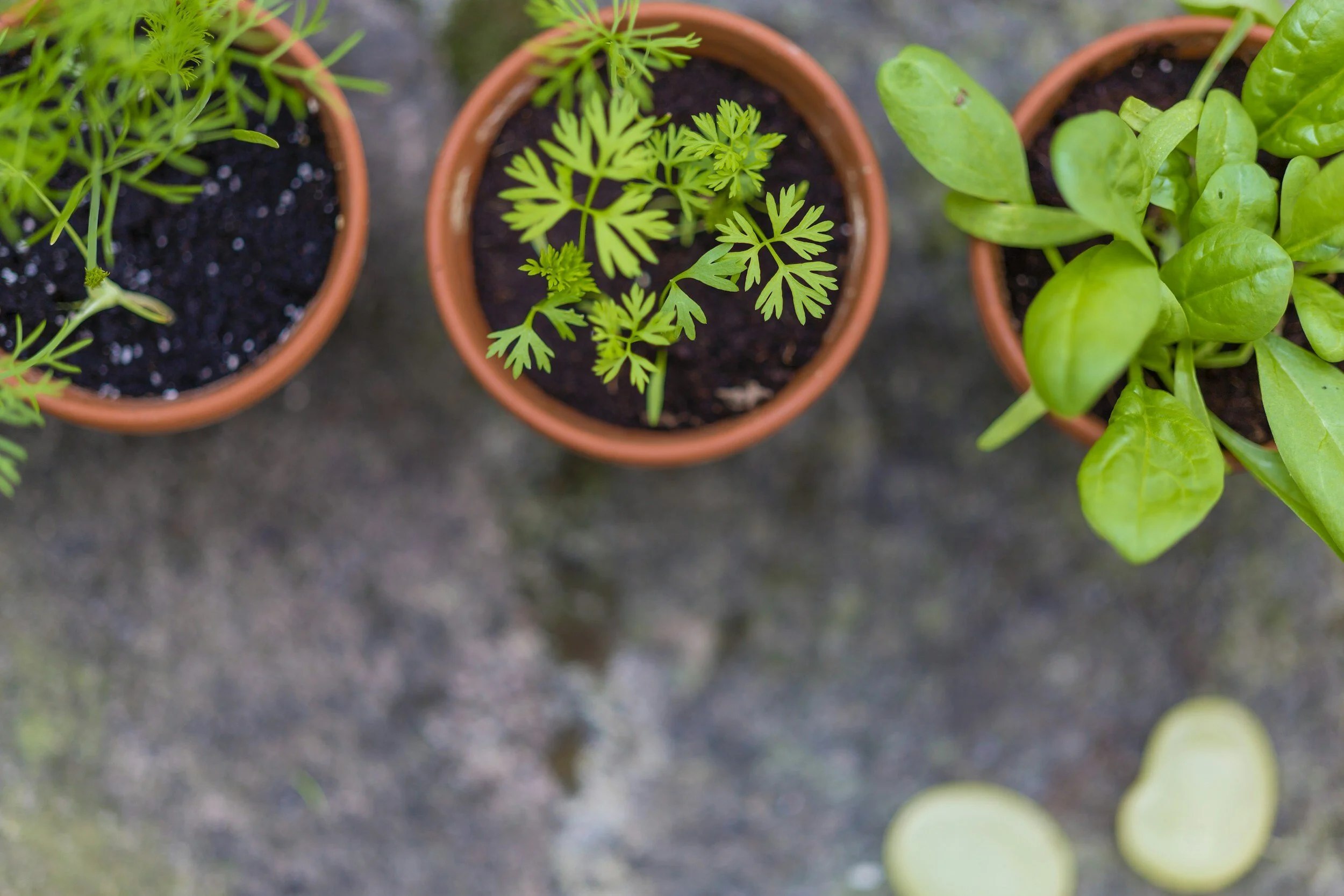
In fact, some gardeners intentionally grow host plants such as parsley, dill, fennel, and milkweed to provide food for butterfly caterpillars. Without these host plants, many butterfly species cannot complete their life cycles. The overuse of pesticides has also devastated some butterfly populations, including monarchs.
The challenge for edible gardeners is determining when caterpillars are causing enough damage to justify intervention.
A few holes in leaves rarely justify drastic action. A severe infestation that threatens an entire crop is another matter.
Common Caterpillar Pests in the Vegetable Garden
Several caterpillar species are particularly problematic for edible gardeners.
Cabbage Worms
Aside from being the caterpillar I have had the most problems with in my own edible garden, cabbage worms are among the most common pests affecting members of the brassica family, including cabbage, kale, broccoli, cauliflower, Brussels sprouts, and collards.
These velvety green caterpillars blend in remarkably well with foliage and can quickly skeletonize leaves if left unchecked. You may notice irregular holes in leaves or dark green droppings, known as frass, before spotting the caterpillars themselves.
Cabbage Loopers
Cabbage loopers are pale green caterpillars that move with a distinctive looping motion. Like cabbage worms, they feed on the underside of the leaves of brassicas and can cause extensive damage during the growing season. The moths that lay these eggs are brown and mottled and unfortunately for me, plentiful in my yard.
Tomato Hornworms
Tomato hornworms are among the largest caterpillars gardeners encounter. These bright green caterpillars can grow up to four inches long and consume large amounts of foliage on tomatoes, peppers, eggplants, and related crops.
Because they blend so effectively with tomato plants, gardeners often discover them only after noticing significant leaf damage. Needless to say, they don’t need long to cause major damage to your plants.
Other caterpillar pests
These caterpillars are also overwhelmingly treated as pests in the edible garden:
Corn earworms
Armyworms
Cutworms
Tomato fruitworms
Squash vine borers (technically moth larvae)
Diamondback moth larvae
All of these species can be devastating to your edible crops.
Butterfly Caterpillars You May Want to Leave Alone
Not every caterpillar in your garden needs to be removed. While cabbage worms, hornworms, squash vine borers and cabbage loopers can quickly damage food crops, other caterpillars may be feeding on herbs, native plants, or ornamental plants where the damage is minor. Before taking action, identify the caterpillar and evaluate whether it is actually threatening your harvest. Here are a few you might encounter in your garden and decide to relocate or leave in place:
Photo by Green and Prosperous
Black Swallowtail Caterpillars
Black swallowtail caterpillars commonly feed on members of the carrot family, including parsley, dill, fennel, and carrots.
While they may consume some foliage, the resulting butterflies are valuable pollinators and a welcome addition to most gardens.
If you grow enough parsley or dill to share, consider allowing a few swallowtail caterpillars to develop undisturbed.
Monarch Caterpillars
Monarch caterpillars feed exclusively on milkweed and do not damage vegetable crops. Because monarch populations have declined in many areas, planting milkweed and protecting their caterpillars can help support one of North America's most iconic butterflies.
Painted Lady Caterpillars
Painted lady caterpillars typically feed on thistles, mallows, and related plants rather than vegetables. Although you may see them on flowers you have planted in your vegetable beds (such as calendula), or occasionally on soybean plants, they rarely become a problem in edible gardens and develop into attractive butterflies that visit a wide range of flowers.
Other Butterfly Caterpillars
Many other butterfly caterpillars feed on native plants, trees, and ornamentals rather than vegetable crops. Depending on where you live, you may encounter butterfly larvae that cause only minor damage to ornamental or herb plants. In many cases, the benefits of supporting native butterfly populations outweigh the limited feeding damage they cause. Before removing any caterpillar, take a moment to identify it and determine whether it is actually threatening your harvest.
Moth Caterpillars That May Be Worth Protecting
While many gardeners are partial to protecting butterflies, moths don’t usually get the same consideration. Here are a few that you may want to refrain from killing by relocating them to ‘sacrificial’ plants if necessary to preserve your edible crops.
Luna Moth Caterpillars
Luna moth caterpillars feed primarily on trees such as walnut, hickory, sweetgum, and birch rather than vegetable crops. These striking green caterpillars develop into one of North America's most beautiful moths and rarely pose a threat to edible gardens.
Cecropia Moth Caterpillars
Cecropia moth caterpillars feed on a variety of trees and shrubs, including maple, cherry, and birch. They grow into the largest native moth in North America and are an important part of local ecosystems, serving as food for birds and other wildlife.
How to Decide When to Take Action
One of the most important skills a gardener can develop is learning when intervention is truly necessary.
Ask yourself the following questions:
Is the caterpillar feeding on a crop grown for harvest?
How severe is the damage?
Is the plant mature enough to tolerate some feeding?
Can the plant recover?
Is the caterpillar a known pest species or a beneficial butterfly larva?
For example, a mature kale plant can often withstand a moderate amount of feeding damage. A newly transplanted cabbage seedling may not survive the same level of pressure.
Similarly, a few black swallowtail caterpillars on a large patch of parsley may be worth tolerating, while dozens of cabbage worms on broccoli likely require action.
Natural Ways to Control Problem Caterpillars
When caterpillars threaten your harvest, several effective non-chemical management strategies are available.
Hand-Picking
Hand-picking remains one of the simplest and most effective methods for controlling caterpillars.
Inspect plants regularly, paying close attention to the undersides of leaves. Remove any pest caterpillars you find and dispose of them away from the garden. They method I use is to drop them in a container of soapy water with a few drops of vegetable oil added.
Matt Baker @unsplash
Use Row Covers
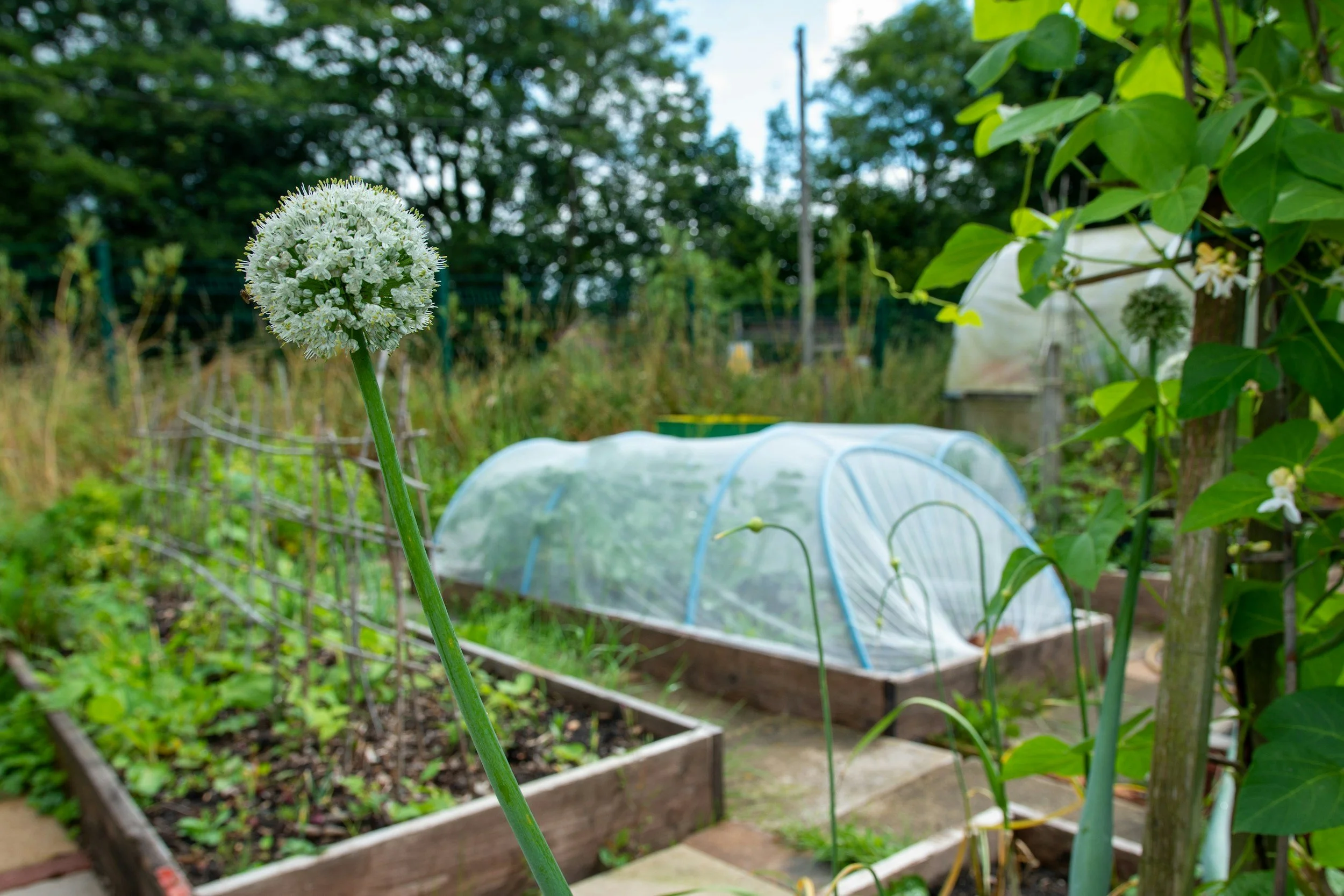
Lightweight floating row covers can prevent adult butterflies and moths from laying eggs on susceptible crops.
This method works particularly well for brassicas and other crops frequently attacked by caterpillar pests.
Be sure to install row covers soon after planting, before pests arrive and secure all edges tightly to prevent insects from entering.
Apply Bt When Necessary
If caterpillars become a problem in your edible garden, you can turn to Bacillus thuringiensis (Bt). This is my go-to organic control when caterpillars become a problem in my garden. Bt is a naturally occurring, highly targeted soil bacterium that is commonly used in organic gardening.
When caterpillars consume treated foliage, Bt disrupts their digestive systems and eventually kills them.
Because Bt specifically targets caterpillars, it has less impact on many beneficial insects than broad-spectrum insecticides. However, it does not distinguish between pest caterpillars and butterfly larvae. For that reason, use Bt carefully and only when necessary. I prefer it over neem oil because it’s so targeted and generally doesn’t harm beneficial pollinators, unlike neem.
Encourage Natural Predators
Birds, parasitic wasps, predatory insects, and other beneficial organisms help keep caterpillar populations in check.
Planting a diversity of flowering plants and herbs (such as dill) can attract beneficial insects that contribute to natural pest control. Avoiding unnecessary pesticide applications also helps maintain healthy predator populations.
If you want more information about pest control without the harmful chemicals, download our guide below.
Inspect Plants Frequently
I can’t say enough how important it is to inspect your plants regularly. Every day is ideal, but even a few times a week in the peak growing season can do a lot to prevent small problems from turning into large ones. In fact, early detection is one of the most powerful tools available to gardeners. Best of all, it’s free!
Look for eggs, chewing damage, and frass before caterpillar populations become established. Be sure to check the undersides of leaves for caterpillars or eggs (eggs can be smashed between your fingers).
Finding the Right Balance
Many gardeners assume that every insect found in the vegetable garden must be eliminated. In reality, a healthy garden contains a diverse community of insects, including pollinators, predators, decomposers, and occasional pests.
The goal is not to create a completely insect-free garden. The goal is to maintain a healthy balance that allows your crops to thrive while supporting beneficial wildlife.
When you learn to distinguish between harmful and beneficial caterpillars, monitor your plants regularly, and use targeted control methods only when necessary, you can protect your harvest without disrupting the ecological health of your garden. Remember, every healthy garden should be part of a thriving ecosystem!
The next time you spot a caterpillar on one of your plants, take a closer look before reaching for a solution. It might be a pest. Or it might be a future butterfly looking for a place to grow.
Frequently Asked Questions:
-
No. While some caterpillars, such as cabbage worms and tomato hornworms, can damage edible crops, others develop into beneficial butterflies and moths. Before taking action, identify the caterpillar and determine whether it is actually threatening your harvest.
-
Look for irregular holes in leaves, chewed foliage, and small dark droppings known as frass. Regular garden inspections can help you spot caterpillars early before they cause significant damage.
-
Hand-picking is often the simplest and most effective method for small gardens. For larger infestations, floating row covers and Bt (Bacillus thuringiensis) can help reduce caterpillar populations without resorting to broad-spectrum chemical pesticides.
-
Not necessarily. Black swallowtail caterpillars feed on parsley, dill, fennel, and other members of the carrot family. If you have enough plants to share, allowing a few caterpillars to feed can help support local butterfly populations.
-
Yes. Bt does not distinguish between pest caterpillars and butterfly larvae. While it is considered a targeted organic control, it should be used carefully and only on crops where caterpillar damage is severe.
You may also be interested in…


If you've spotted a brightly colored insect with black spots and red wings hopping across your garden, you’re most likely seeing a spotted lanternfly. In the US, spotted lanternflies were first detected in Berkes County, PA in 2014. They have spread rapidly across much of the eastern United States in recent years, leaving many gardeners wondering whether they should be worried.