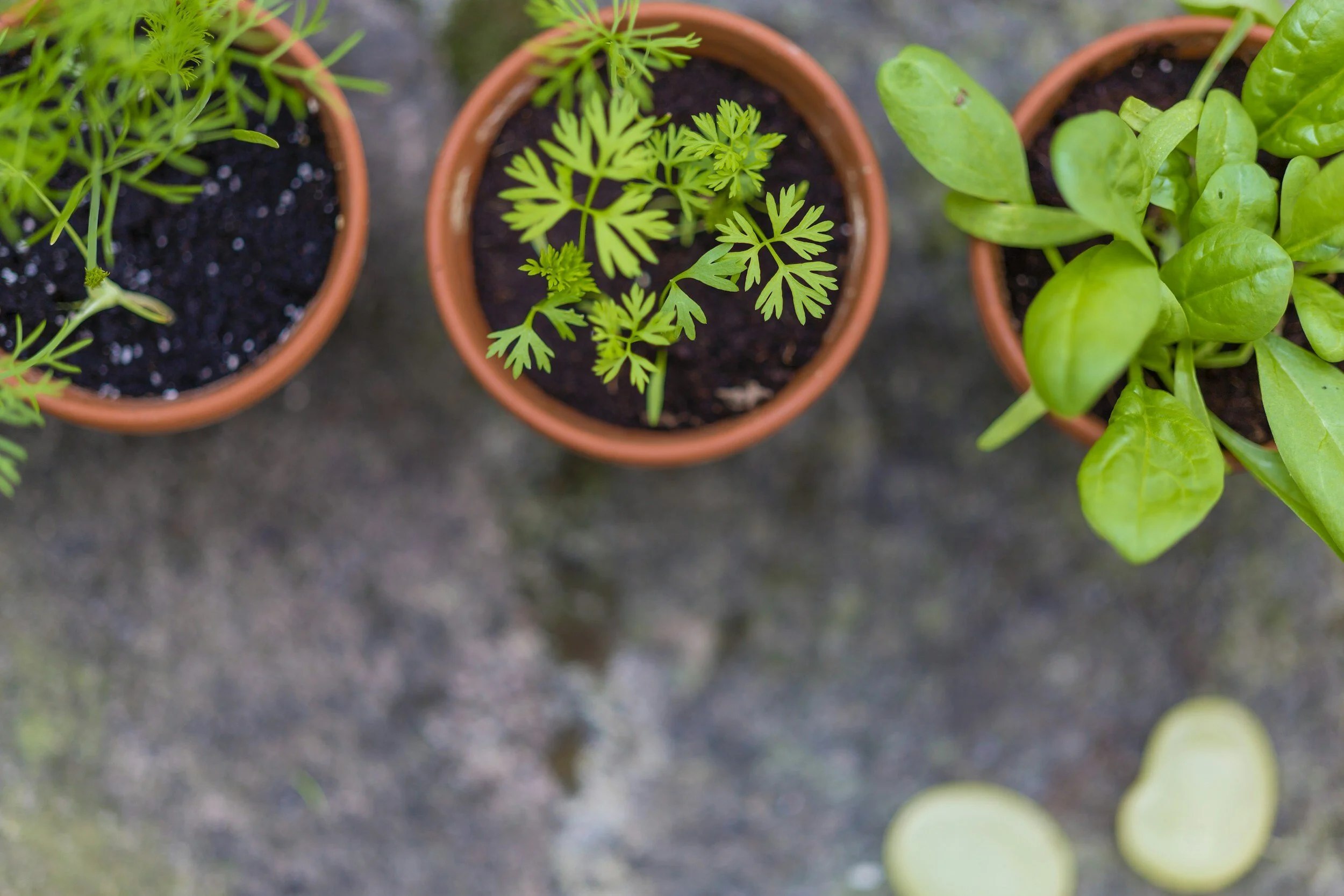



Mid-Season Garden Reset: How to Fix What's Not Working and Grow More Food
/By mid-summer, most gardeners have a pretty good idea of what is thriving and what is struggling. At this time of year, with the excitement of spring planting having faded, you’ve likely been dealing with challenging weather days, and have found some of your crops producing abundantly while others seem determined to disappoint.
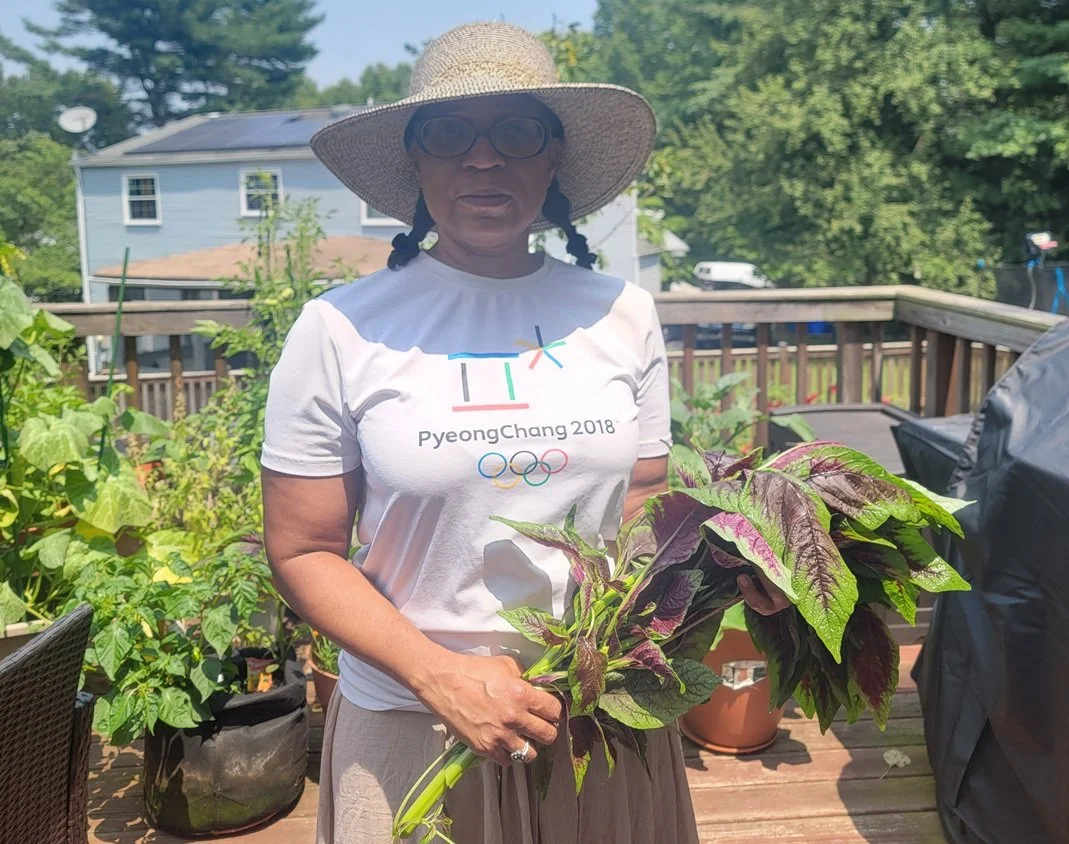
In my garden, the amaranth spinach, raspberries, blackberries, basil, lacinato kale and mora (black nightshade) have overperformed. The first cucumber came in weeks ago but cukes are only now beginning to really take off. I’m just starting to see tomatoes, summer squash, eggplants and peppers ripen, while my green beans and Korean zucchini (aehobak), among my usual outperformers, have been disappointingly slow to grow or have failed to sprout at all.
All this goes to say that even experienced gardeners have hits and misses, so if your garden is not looking exactly the way you imagined it would back in April, don't worry. Every growing season comes with surprises. And all gardeners deal with pest outbreaks, disease problems, underperforming plants, and crops that simply refuse to cooperate. It’s just part of the journey.
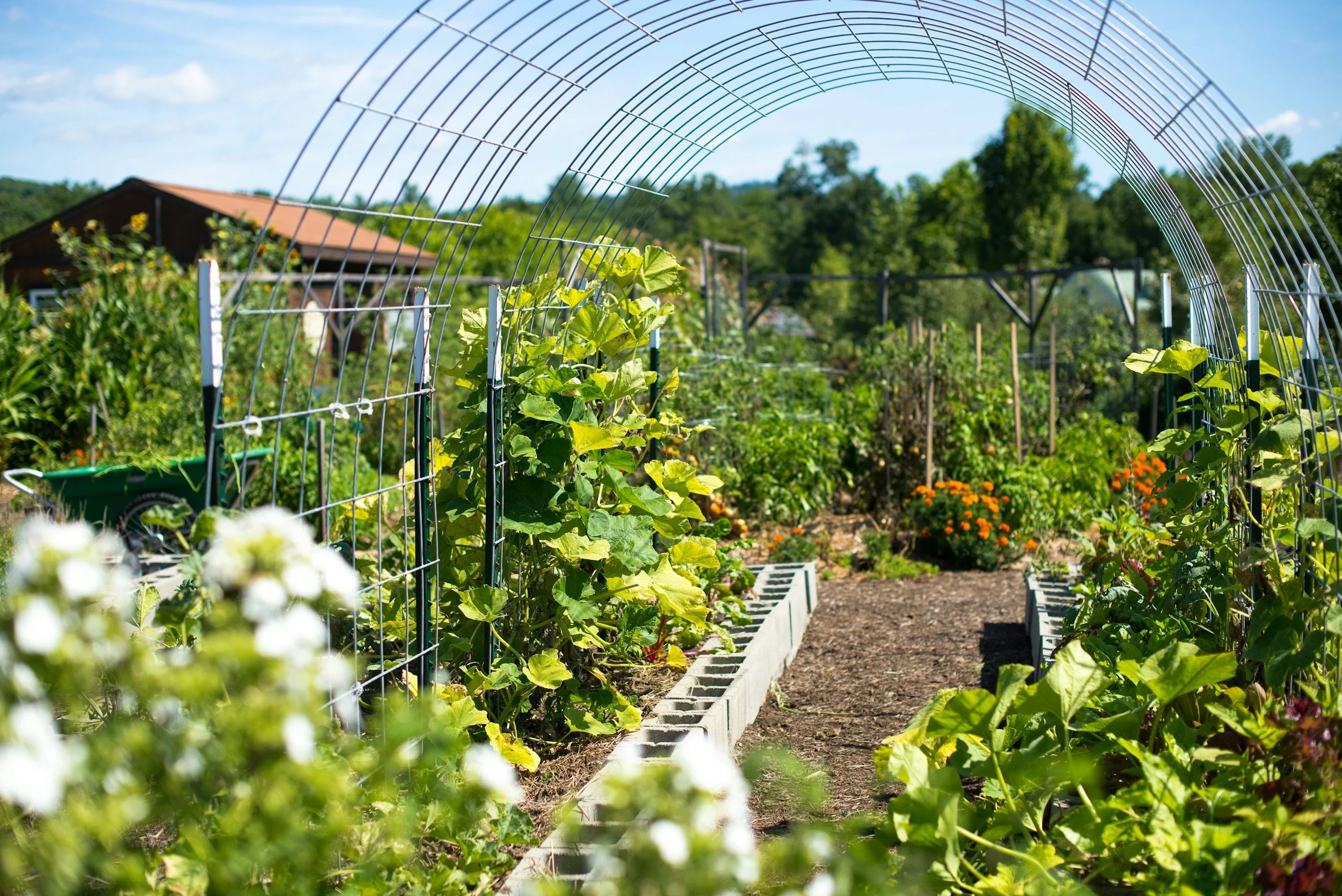
Zoe Richardson @unsplash
The good news is that the mid-summer season is a perfect time for a garden reset.
Instead of focusing on what has gone wrong in your own garden, take a step back and evaluate what is working, what is not, and where you can make changes that will improve the rest of the season. A few small adjustments now can increase harvests, reduce frustration, and help you become a more successful gardener over time.
If you want weekly tips for troubleshooting and improving your garden’s performance, join our Gardening Tips of the Week newsletter.
Start With an Honest Garden Assessment
The first step in any garden reset is taking a careful look at your garden as it exists today, not as you hoped it would look when you planted it. And for goodness sake, don’t compare yours to garden influencers on social media who are showing off their lush, thriving spreads!
Walk through your garden with a notebook or garden journal and make a few key observations.
Ask yourself:
Which crops are producing well?
Which plants seem stressed or unhealthy?
Are any beds overcrowded?
Where are pests causing problems?
Which areas require the most maintenance?
What has exceeded your expectations?
What has disappointed you?
Try to be objective. Gardening is a continuous learning process, and every success or failure provides useful information.
For example, maybe your tomatoes are thriving while your peppers are struggling in excessive heat. Perhaps your lettuce bolted weeks ago while your bush beans continue to produce heavily. If you’ve noticed a few pests but they don’t seem to be causing problems, that’s a great sign that you’re doing something right. These kinds of observations can help guide your decisions for the remainder of the season and improve your garden planning next year.
Remove Plants That Are Beyond Saving
Many gardeners waste time, water, and garden space trying to rescue plants that have little chance of recovering. Yes, I’m, guilty of that, too…
A mid-season reset is a good opportunity to remove crops that are no longer productive or have been severely damaged by pests or disease.
Here’s what you should remove:
Bolted lettuce, spinach, and other cool-season greens
Plants heavily infected with disease
Crops that have stopped producing
Seedlings that never established properly
Plants damaged beyond recovery by insects or weather
Plants that have reached the end of their lifespan
Removing struggling and dying plants frees up valuable space and resources for crops that still have time to grow. It also reduces the chance of a pest infestation, because unbeknownst to you, your plants are sending out distress signals that herbivore insects detect and take as a sign to come over for a feast.
Yes, I know it can be difficult to pull out something you invested time and energy into, but sometimes the best gardening decision is knowing when to move on. Every gardener needs to have a heart of steel!
Improve Airflow and Reduce Disease Pressure
By mid-summer, many gardens become overcrowded (including mine).
Tomatoes sprawl beyond their cages, squash vines spread in every direction, raspberry branches crowd out nearby plants and densely-planted beds become humid environments where fungal diseases thrive.
Improving airflow is one of the simplest ways to reduce disease problems.
You can improve the airflow in your planting beds by doing these things:
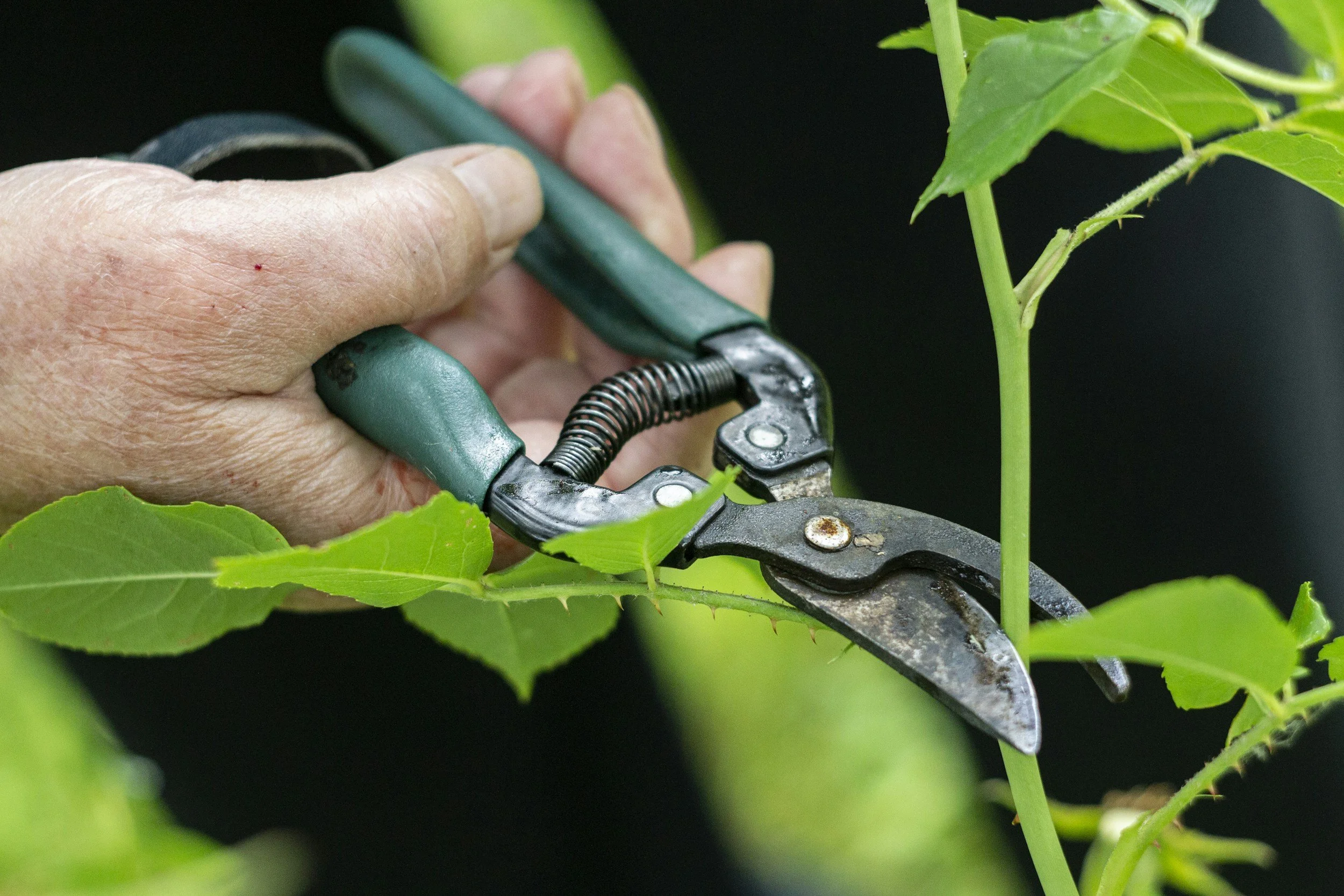
Margarita Shtyfura @unsplash
Pruning excess tomato foliage
Removing lower leaves (especially if they’re yellowing)
Trimming overcrowded herbs
Harvesting mature crops promptly
Thinning densely planted areas
Better airflow helps leaves dry more quickly after rain or watering, making it harder for diseases such as powdery mildew and early blight to take hold.
Even small improvements can make a noticeable difference during hot, humid weather.
Want more tips like these? Get our weekly Gardening Tip of the Week newsletter.
Adjust Your Watering Strategy
If your watering routine was established last spring, it may no longer be appropriate for summer conditions.
Higher temperatures, larger plants, and increased fruit production often require a different approach.
Rather than watering on a fixed schedule, focus on soil moisture.
Check the soil several inches below the surface before watering. If the soil is still moist, your plants may not need additional water yet.
To improve water efficiency:
Water deeply rather than frequently
Water early in the morning
Apply mulch to reduce evaporation
Repair leaking hoses or irrigation lines
Group plants with similar water needs together
Many garden problems that appear to be nutrient deficiencies or disease issues are actually related to inconsistent watering.
Water-wise gardening requires only a few adjustments that can improve plant health and reduce stress during the hottest part of the season.
Take Control of Pest Problems
Pest issues rarely disappear on their own. If certain insects have become a recurring problem, now is the time to evaluate your strategy for managing them.
Look for patterns rather than focusing only on the damage.
Ask yourself:
Which plants are being affected?
Are beneficial insects present?
Is the problem getting worse or improving?
Are certain areas of the garden more vulnerable?
For example, cabbage worms may require physical barriers or targeted applications of Bacillus thuringiensis (Bt). Aphids often become less problematic when ladybugs and other beneficial insects are allowed to build their populations.
A mid-season reset is also a good time to add more flowering plants that attract pollinators and beneficial insects. Flowers such as alyssum, calendula, cosmos, and coreopsis can help support a healthier garden ecosystem. I added love-in-a-mist (Nigella damascena) to my beds this year and the bees really love them!
Remember that the goal is management, not complete elimination of pest populations. A healthy garden will always contain some herbivore insects.
Refresh Your Soil
Heavy-feeding crops remove significant nutrients from the soil over the course of a growing season. If plants are showing signs of nutrient deficiencies or growth has slowed considerably, a light feeding or soil amendment can help.
Options include:
Finished compost
Compost tea
Organic granular fertilizers
A mid-summer side-dressing of a phosphorous-rich fertilizer like bone meal is especially helpful for flowering vegetables. Keep in mind, organic fertilizers like these will work more slowly non-organics. Whatever you use, avoid the temptation to over-fertilize. Excess fertilizer can lead to lush foliage with few flowers and fruit.
Instead, focus on providing steady nutrition that supports continued growth without overwhelming the plants. Top-dressing with compost is one of the safest and most effective ways to refresh garden beds mid-season. I also add a balanced 10-10-10 granular fertilizer once in the late spring season and again in mid-summer to my leafy greens.
Fill Empty Spaces With New Crops
One of the biggest mistakes gardeners make is allowing harvested beds to sit empty. When a crop finishes, that space becomes an opportunity for succession planting.
Depending on your growing zone, you may still have time to plant:
Bush beans
Beets
Carrots
Kale
Swiss chard
Turnips
Asian greens
Herbs
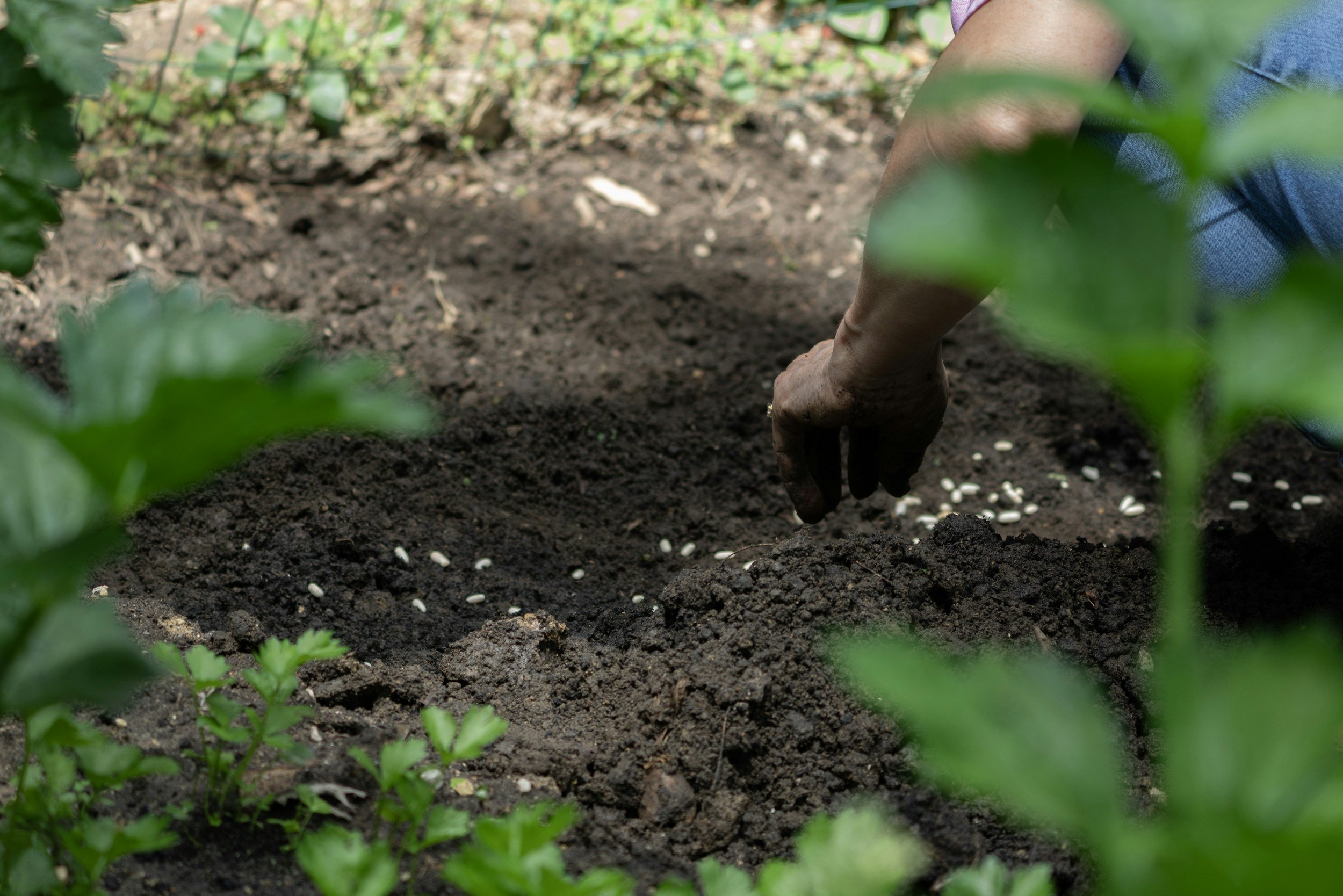
Alek Newton @unsplash
Many gardeners are surprised by how much food they can grow during the second half of the season.
Succession planting helps maximize harvests while keeping weeds under control and making better use of available garden space. If you live in a region with a long growing season, this can dramatically increase the amount of food your garden produces each year.
Record Lessons for Next Year
Perhaps the most valuable part of a garden reset is documenting what you learn. It’s surprisingly easy to forget details once the growing season ends.
Take notes on:
High-performing varieties
Pest challenges
Disease issues
Harvest quantities
Planting dates
Weather-related problems
Successful techniques
These records become invaluable when planning next year's garden. Over time, your notes can reveal patterns that help you avoid common mistakes and make better decisions about crop selection, planting schedules, and garden layout.
Remember: Progress Matters More Than Perfection
No garden is perfect. Every gardener experiences crop failures, unexpected pest problems, weather extremes, and disappointing harvests. What separates successful gardeners from frustrated ones is not perfection; it is their willingness to adapt.
A mid-season garden reset gives you the chance to stop repeating strategies that are not working and focus your energy where it will have the greatest impact.
Take a fresh look at your garden. Remove what no longer serves you. Support the plants that are thriving. Fill empty spaces with new opportunities.
The growing season is not over yet, and with a few thoughtful adjustments, your best harvests may still be ahead of you.
You may also be interested in…



By late August, your summer garden may be showing signs of wear. Tomatoes are slowing down production, cucumber vines may be struggling with disease, and some early-season crops have already finished growing. Before you put away your gardening gear, keep in mind that there may still plenty of growing season left, depending on your region and first frost date. In many part of the Norther Hemisphere, late August is a great time to plant a second round of vegetables for a fall harvest.