


How to Grow Amaranth Greens: A Nutrient-Packed Leafy Vegetable
/If you are looking for a leafy green that grows quickly, adds color to the garden and thrives in the scorching summer heat as well as in cooler fall temperatures, amaranth deserves a place on your planting list. While many gardeners know amaranth for its ornamental flowers or edible grain, several varieties are grown primarily for their tender, nutritious leaves.
Amaranth greens are popular in cuisines throughout Africa, Asia, the Caribbean, and Latin America, where the leaves are sautéed, simmered in soups and stews, or cooked like spinach. In the garden, amaranth offers another advantage: it loves the conditions that cause many familiar leafy vegetables to struggle.
That makes amaranth an especially useful crop for filling the midsummer "greens gap when growing an edible garden. In midsummer, it’s common for greens like spinach, lettuce, and other cool-season vegetables to bolt (i.e., go to seed) or become difficult to grow.
Why Grow Amaranth Greens?
Amaranth (Amaranthus spp.) is a warm-season plant that grows best when temperatures are consistently warm. It loves heat and will die at the first sign of frost, so make sure temperatures are going to be between 70 and 85 degrees Fahrenheit (21-29 degrees Celsius) before planting. Depending on the variety, plants may have green, red, purple, or variegated foliage.
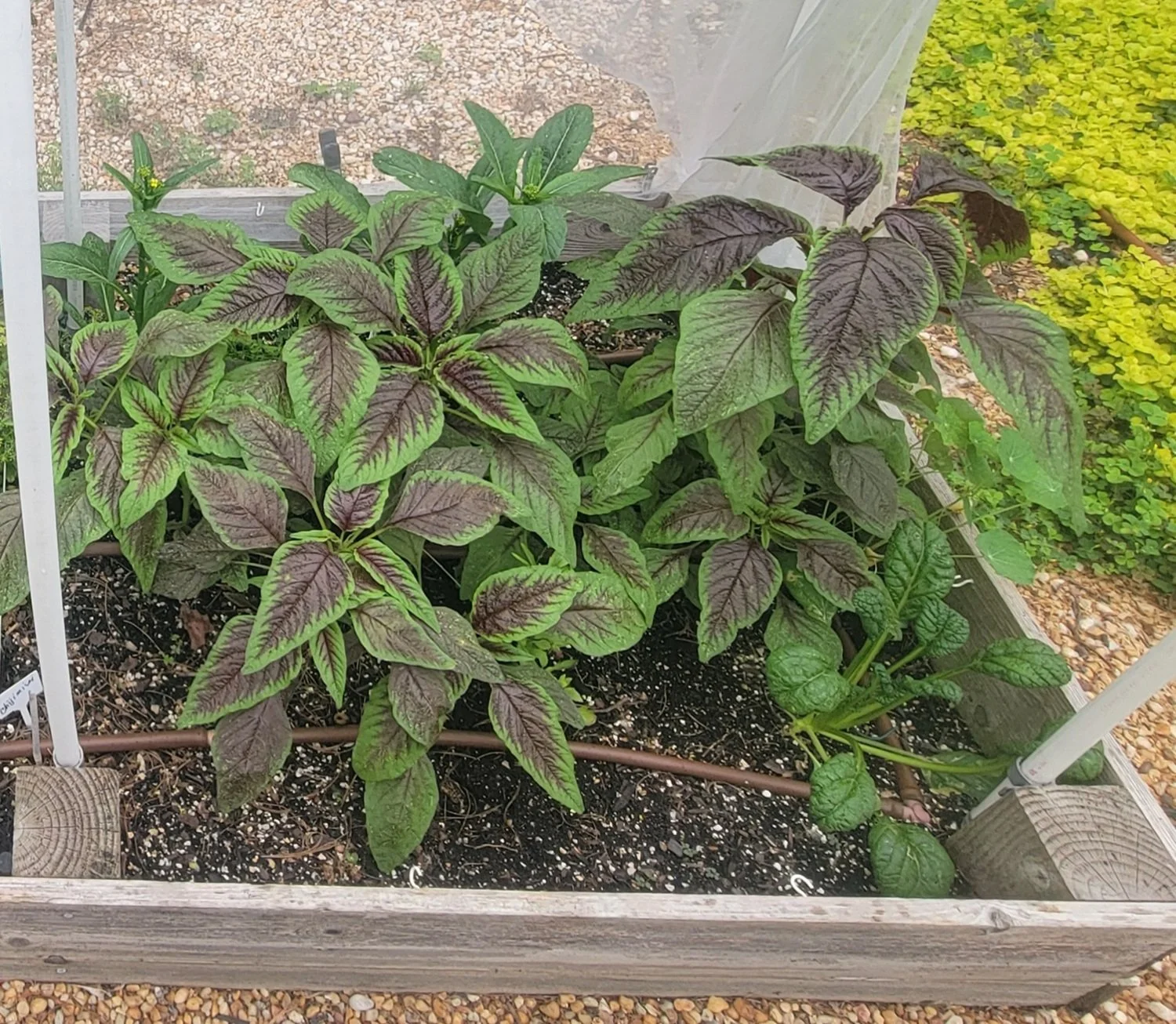
Photo by Green and Prosperous
The leaves are nutrient-dense. Amaranth greens are rich in B vitamins, iron, calcium, magnesium and phosphorus. They also contain high quality fiber and are a complete source of protein and amino acids, making them exceptionally suited to a plant-based, vegetarian, or vegan diet.
For gardeners, one of amaranth's greatest attractions is its productivity. You can begin harvesting young leaves relatively quickly, and regular harvesting encourages the plant to continue producing tender growth. Just be warned: amaranth is a prolific grower, so it’s not hard to end up with too much amaranth on your hands, as I did this summer!
Choosing Amaranth for Leaf Production
Not every amaranth is grown for the same purpose. Some varieties have been selected primarily for grain production, while others are prized as ornamentals. If your goal is a steady supply of greens, look for varieties specifically described as vegetable or leaf amaranth.
Popular choices include red-leaved and green-leaved vegetable amaranths, including cultivars commonly sold as Chinese spinach or callaloo. Some gardeners also grow red-leaved varieties for the colorful foliage, which makes an attractive addition to edible landscapes.
Check the seed description before buying. A variety that has been bred for abundant, tender foliage will generally be a better choice for repeated leaf harvests than one intended primarily for large seed heads.
When and Where to Plant Amaranth
Unlike spinach and kale, amaranth loves warm soil. Wait until the danger of frost has passed and the soil has warmed before sowing seeds outdoors. Amaranth generally performs best in 6 or more hours of full sun, although it can tolerate some light shade.
Well-drained, reasonably fertile soil is ideal, although this year I accidentally found out that spilled amaranth seeds will even grow happily in a gravel walkway! Before planting in a raised bed or in-ground garden plot, work some finished compost into the soil to add organic matter and promote the growth of beneficial soil microorganisms.
Amaranth can also be grown in containers. For container growing, choose a pot with adequate drainage and at least 8 inches of depth to accommodate the roots – amaranth grows a large taproot that can easily grow 18 to 36 inches or more down into the soil. Using a larger container for planting amaranth greens has another benefit: it will retain moisture more consistently during hot weather.
How to Plant Amaranth Seeds
Amaranth seeds are tiny, so they should be planted shallowly. Sow them approximately 1/8 to 1/4 inch deep, lightly cover them with soil, and water gently so the seeds are not washed away.
Keep the soil consistently moist while the seeds germinate. Once seedlings develop several true leaves, thin them to provide adequate growing space.
Spacing depends partly on how you intend to harvest. Plants grown primarily for young greens can be spaced relatively closely. If you want larger, mature plants that you can harvest repeatedly throughout the season, give them more room by planting or thinning to at least 6 inches apart.
Don't discard your thinnings. If the seedlings are healthy and have not been treated with anything unsuitable for food crops, the tender young leaves can be eaten as baby greens.
Planning to grow a garden or keep one going through the fall? Get my free planting guide to help you determine what to plant and when, so you can keep your garden productive throughout the growing season.
Watering and Feeding Amaranth
Once established, amaranth can tolerate some dry conditions, but consistent moisture will produce more tender, succulent leaves. Long periods of drought may slow growth and make the foliage less appealing.
Water deeply when needed rather than giving the plants frequent, shallow sprinklings. Applying a layer of organic mulch around established plants can help conserve soil moisture and reduce weed competition.
Amaranth usually doesn’t need heavy feeding in reasonably fertile garden soil. Compost added before planting may provide sufficient nutrients. If growth is weak or the foliage appears pale, a modest application of a balanced fertilizer may help. Avoid overfertilizing with nitrogen, particularly if your soil is already fertile. This will only undermine the plant’s growth and attract more herbivore pests.
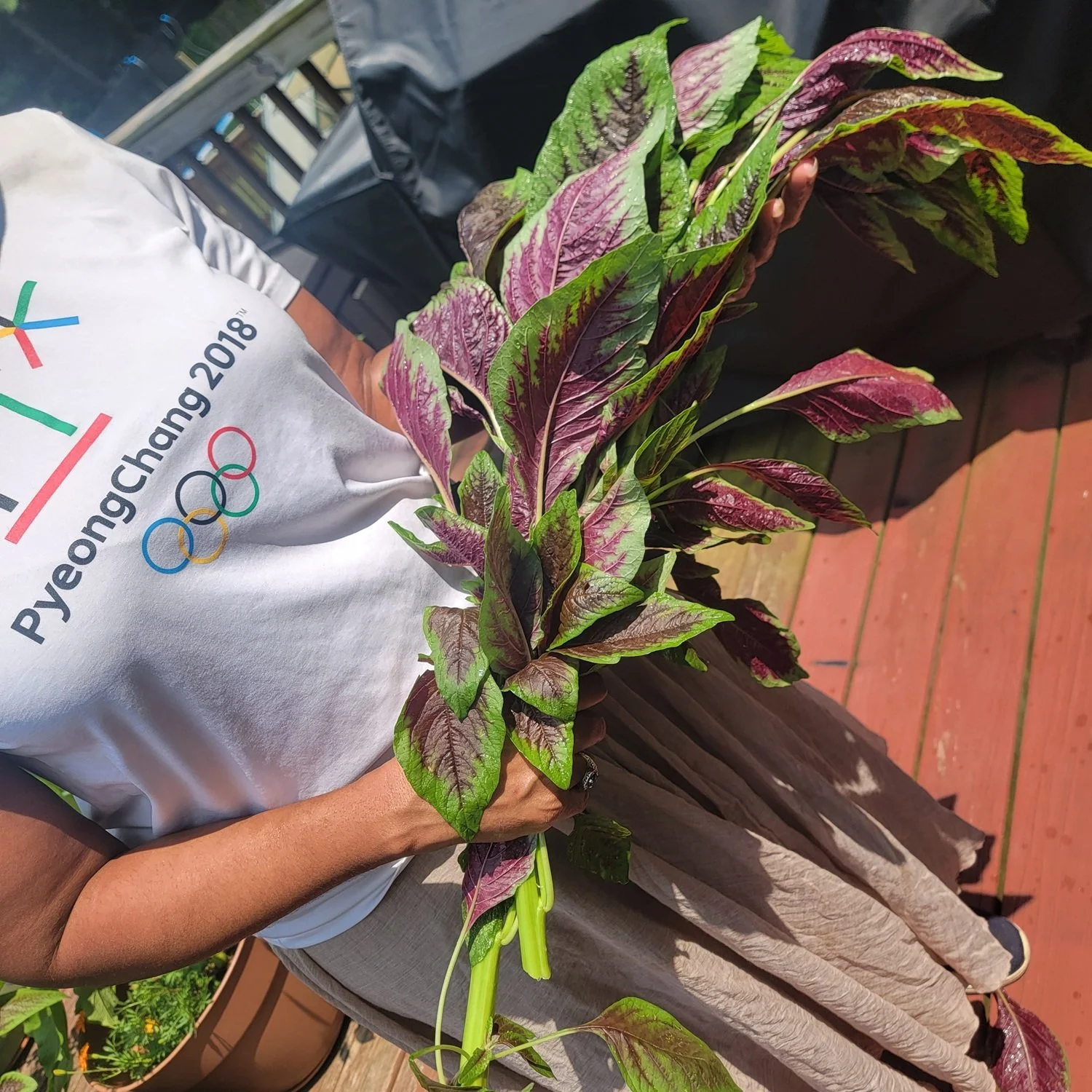
Photo by Green and Prosperous
Harvesting Amaranth Greens
One of the best things about growing amaranth for greens is that you don’t have to wait for the plant to mature. Baby leaves can be harvested when they are just a few inches long. These young leaves tend to be especially tender and mild. As the plant grows, you can harvest individual leaves or cut tender shoots and stem tips.
For repeated harvests, avoid stripping the plant completely. Take a portion of the foliage and leave enough healthy leaves for continued photosynthesis and growth.
Regular harvesting can also encourage branching, giving you more tender shoots to harvest later. As plants become older and begin flowering heavily, the leaves and stems may become tougher, so frequent harvesting is useful for maintaining quality.
Can You Grow Amaranth as a Cut-and-Come-Again Green?
Yes. Amaranth works particularly well as a cut-and-come-again crop when grown for young leaves.
Instead of allowing every plant to reach full size, sow a patch relatively densely and harvest young growth several inches above the soil. Plants will regrow, giving you additional harvests. You can also make small succession sowings every few weeks during warm weather to maintain a steady supply of tender greens.
This strategy is particularly useful in small gardens where you want to maximize production in a limited space.
Common Amaranth Growing Problems
Amaranth is pretty easy to grow, but it isn't completely pest-free. Aphids, flea beetles, caterpillars, and other leaf-feeding insects may occasionally attack the foliage.
Inspect the undersides of leaves regularly so you can identify problems before infestations become severe. Hand-picking larger pests, encouraging beneficial insects, and using row covers on young plants when appropriate can help reduce damage.
Good spacing also improves airflow and reduces the likelihood of disease problems. Watering near the base of the plants rather than routinely wetting the foliage is another useful preventive measure.
Weeds can be more problematic while amaranth seedlings are small. Once established, however, the plants grow rapidly and can compete more effectively.
How to Use Amaranth Greens in the Kitchen
Young amaranth leaves can be used much like other tender greens. Mature leaves are generally best cooked.

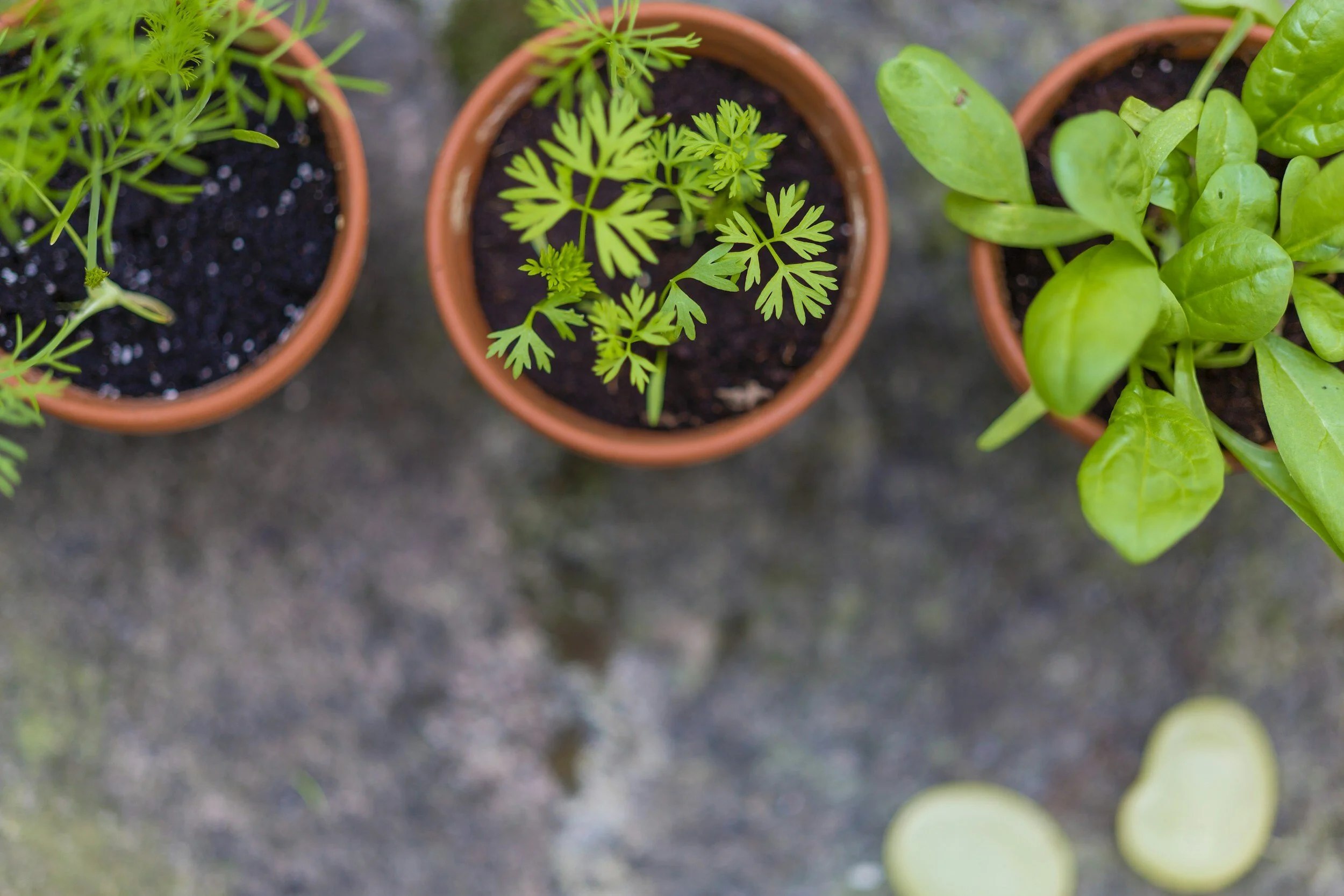
Hanna Balan @unsplash
Try sautéing them with garlic, olive oil and a little ground cumin, adding them to soups or stews, or cooking them alongside beans, lentils, tomatoes, onions, and spices. Their versatility makes amaranth especially useful when your garden produces more greens than you expected. I also find that sautéing them in light sesame oil and adding ginger and a bit of garlic and soy sauce (or shoyu) makes a delicious side dish to accompany a Chinese, Japanese or Korean meal. Alternatively, amaranth leaves can be used within dishes the same way you’d use spinach. One of my favorite substitutions with amaranth greens is for a quiche Florentine, which is normally made with spinach.
If you’re eating amaranth greens for the first time, start with a small amount and experiment with different preparation methods. Cooking reduces their volume considerably, just as it does with spinach and other leafy greens.
A Heat-Loving Green Worth Trying
Amaranth may not yet be as common in American vegetable gardens as lettuce, spinach, or kale, but it fills an important niche. Instead of fighting summer heat to keep cool-season greens alive, you can grow a vegetable that actually prefers warm conditions.
With a sunny location, warm soil, consistent moisture, and regular harvesting, amaranth can provide an abundant supply of colorful, nutritious leaves throughout much of the summer. Better yet, its rapid growth and cut-and-come-again potential make it suitable for everything from large edible gardens to raised beds and containers.
If your summer garden could use another productive leafy vegetable, consider planting a patch of amaranth. It might become one of your favorite ways to keep fresh greens on the table when temperatures climb.
You may also be interested in…



If you are looking for a leafy green that grows quickly, adds color to the garden and thrives in the scorching summer heat as well as in cooler fall temperatures, amaranth deserves a place on your planting list. While many gardeners know amaranth for its ornamental flowers or edible grain, several varieties are grown primarily for their tender, nutritious leaves.