


Should You Fertilize Your Vegetable Garden in Late Summer?
/Yesterday I was out in the garden, chatting with my neighbor and friend on the other side of the fence. The conversation turned to fertilizing our vegetable plants, and we both discovered that some of our plants were producing much more prolifically than expected, despite the fact that neither of us had really fertilized our in-ground or raised bed crops since last spring. That got me thinking about the questions of when and whether it’s time to apply fertilizer.
If you’ve been growing an edible garden, you might have been wondering the same thing. By late summer, your vegetable garden probably looks very different than it did in June. Tomato plants may be heavy with fruit but showing signs of fatigue. Cucumbers and squash may be slowing down or nearing the end of their lifespan. Peppers may still be producing, while newly planted fall crops are just getting started.
At this point in the season, it can be tempting to add fertilizer in hopes of giving tired plants a boost. But should you fertilize your vegetable garden in late summer?
The answer is: sometimes. Fertilizing at the wrong time, or using the wrong fertilizer, can actually create new problems. Before feeding your garden, consider what your plants are growing, how healthy they look, and what nutrients your soil may actually need.
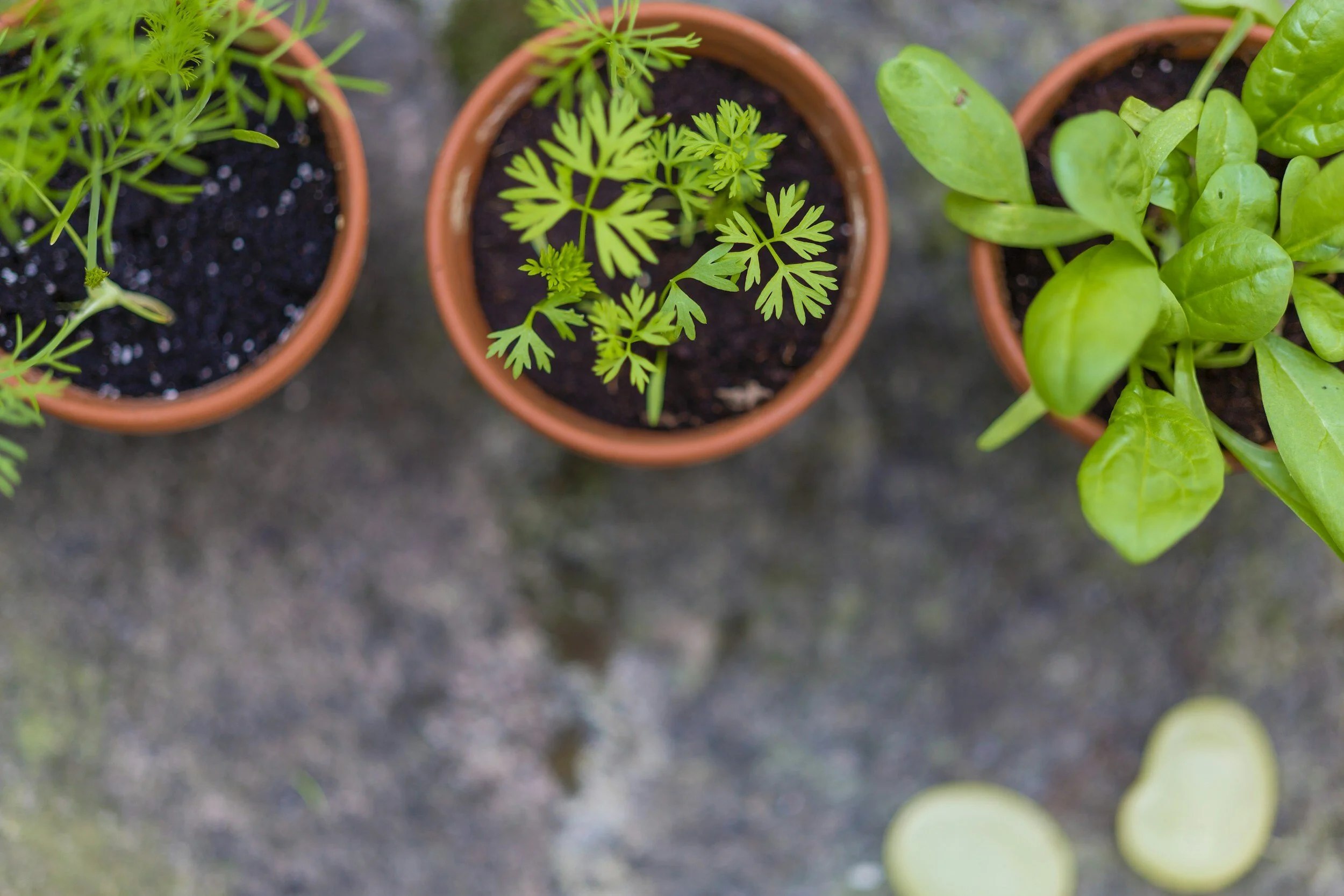
Ulrike R. Donohue @unsplash
Why Vegetable Plants May Need Nutrients in Late Summer
Vegetables remove nutrients from the soil throughout the growing season. Heavy-feeding crops include tomatoes, peppers, squash, cucumbers, corn, and eggplants; these plants can place especially high demands on garden soil.
If you’ve been harvesting from the same plants for weeks, nutrient reserves may be lower than they were earlier in the season. Frequent watering can also contribute to nutrient loss, especially in containers and raised beds.
Late summer is also when many gardeners begin planting a second round of vegetables for fall. These young plants have very different needs from mature summer crops that may be approaching the end of their productive lives.
That means there is no single late-summer fertilizing schedule that works for everything in your garden.
First, Ask Whether Your Plants Actually Need Fertilizer
Slower growth in August doesn’t always mean that your plants are hungry.
Heat stress, inconsistent watering, disease, pest damage, overcrowding, and the natural aging of annual vegetable plants can all reduce productivity. Adding fertilizer will not correct these problems.
Before fertilizing, look at the entire plant. Are leaves unusually pale? Has growth slowed significantly despite adequate water? Are plants producing poorly even though temperatures and pollination conditions are favorable?
Also consider what you have already added to the soil. A garden bed amended generously with compost before planting may need little supplemental fertilizer. If you have been feeding regularly throughout the summer, another application may be unnecessary.
When in doubt, a soil test is much more useful than guessing. Soil testing can identify nutrient deficiencies and, importantly, help prevent the unnecessary buildup of nutrients such as phosphorus.
Be Careful With Nitrogen in Late Summer
One of the biggest mistakes gardeners can make late in the season is applying too much nitrogen.
Nitrogen promotes leafy, vegetative growth. That is useful when growing lettuce, kale, spinach, and other crops harvested primarily for their leaves. But excessive nitrogen can be counterproductive for fruiting vegetables.
A tomato or pepper plant receiving too much nitrogen may produce abundant foliage at the expense of flowers and fruit. You could end up with a large, green plant without a corresponding increase in your harvest.
This is especially important as the growing season begins winding down. Encouraging a mature plant to produce lots of new foliage is generally not the best use of its remaining energy.
If established tomatoes, peppers, or eggplants are still healthy and producing, use fertilizer conservatively rather than assuming that more food will automatically mean more fruit.
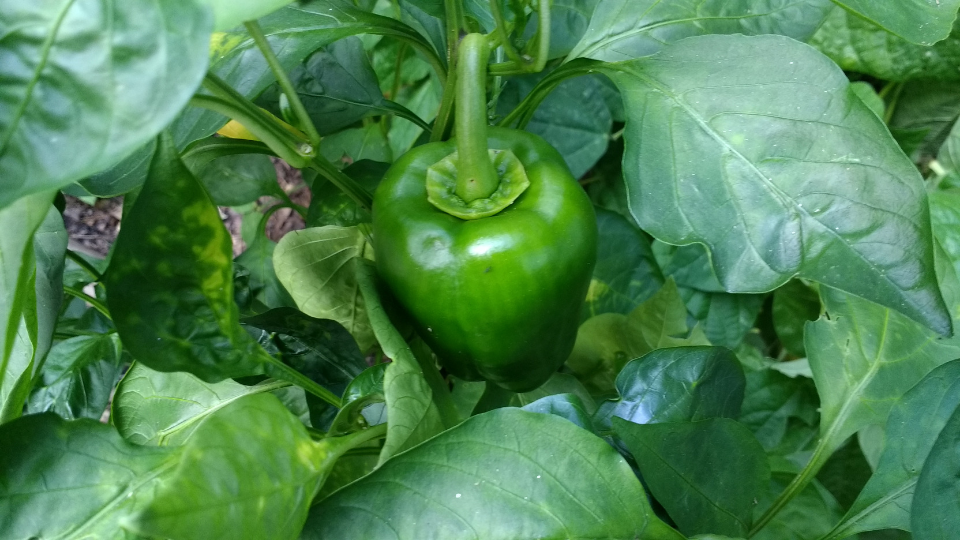
photo by Green and prosperous
What About Tomatoes and Peppers?
Tomatoes and peppers can continue producing well into late summer and early fall, particularly if disease pressure remains manageable.
Plants that are still flowering, setting fruit, and producing new growth may benefit from a modest feeding if the soil is becoming depleted. A balanced vegetable fertilizer or one formulated for fruiting vegetables can be appropriate, provided you follow label directions.
Avoid trying to "rescue" declining plants with a heavy dose of fertilizer. If a tomato plant has lost a lot of its foliage to fungal disease or a cucumber vine is reaching the natural end of its productive cycle, feeding it heavily is not likely to restore it.
Your resources may be better spent protecting healthy plants and preparing space for fall crops.
Fall Vegetables Are a Different Story
Late summer is planting season for many cool-weather vegetables, including kale, broccoli, collards, lettuce, spinach, radishes, carrots, and other fall crops.
These plants need adequate nutrients to establish strong roots and healthy foliage before colder temperatures and shorter days slow their growth.
Before planting, incorporate finished compost into the bed if needed. Depending on your soil fertility and the crop, a balanced fertilizer may also be useful. A 10-10-10 granular fertilizer can feed your leafy green plants until the end of the growing season. Flowering and fruiting plants will benefit from an application of, which you can apply in the form of powdered bone meal.
Leafy vegetables generally have greater nitrogen needs than crops grown primarily for roots. However, even here, more is not necessarily better. Overfertilization can cause excessive growth, nutrient imbalances, and unnecessary nutrient runoff.
Containers and Raised Beds May Need More Attention
Container gardens deserve special consideration in late summer.
Because containers hold a limited amount of soil and are watered frequently during hot weather, nutrients can become depleted more quickly than they do in an in-ground garden. Plants that have spent several months growing in the same pot may benefit from supplemental feeding even when similar plants growing in garden soil do not.
Raised beds can fall somewhere in between. Their fertility depends heavily on the soil mixture, amendments, watering practices, and how intensively they have been planted.
For containers, a diluted liquid fertilizer or an appropriate slow-release product can provide nutrients without overwhelming plants. Always follow the product label rather than assuming that a stronger concentration will produce better results.
Don't Forget Compost
Fertilizer does not have to come from a bag or bottle.
A layer of finished compost can add organic matter while slowly supplying nutrients to the soil. Compost also supports soil structure and water retention, making it particularly valuable as you transition from summer into fall gardening.
Compost is not a substitute for fertilizer in every situation because its nutrient concentrations are relatively low and variable. But if your garden is generally healthy and you are primarily trying to maintain soil quality, compost may be all you need.
When You Should Skip the Fertilizer
There are several situations in which fertilizing your late-summer vegetable garden may do more harm than good.
Skip or postpone fertilizer if plants are severely drought-stressed, suffering from major disease or pest damage, or nearing the end of their natural productive lifespan. Fertilizer is also unlikely to help if poor production is caused by extreme heat, inadequate sunlight, or poor pollination.
Most importantly, don't fertilize simply because the calendar says it is time.
Fertilizer should solve a nutrient problem or support a specific stage of plant growth. It should not be applied automatically.
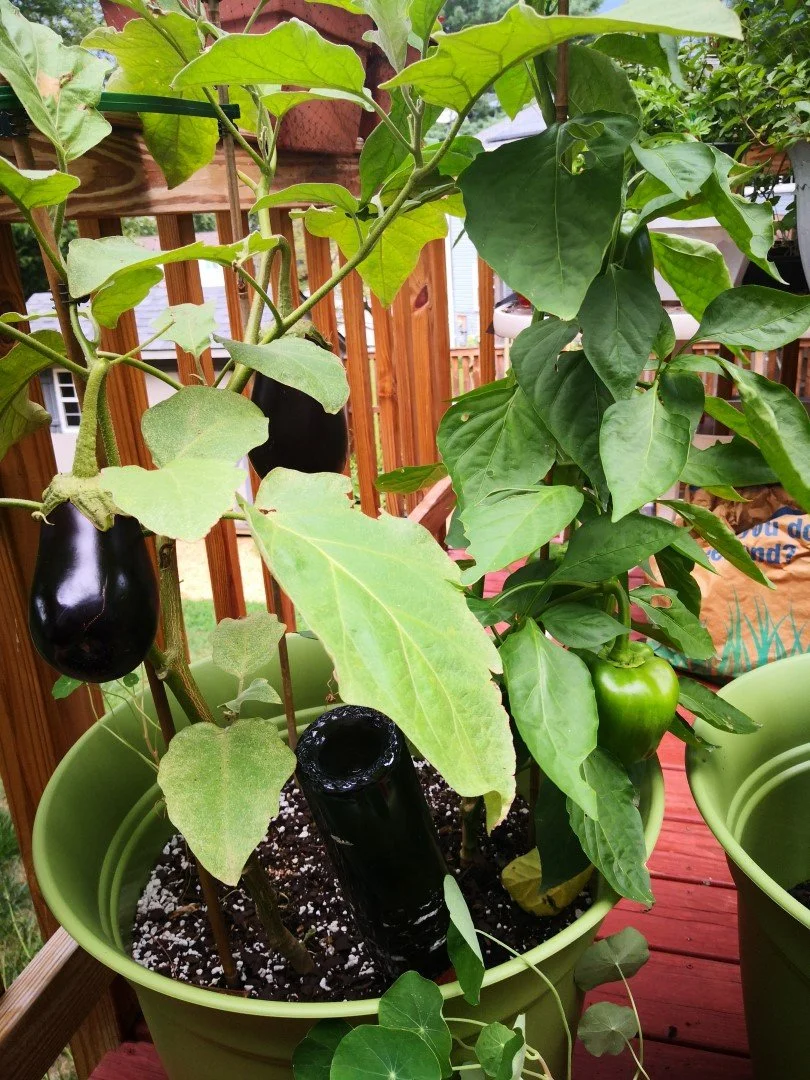
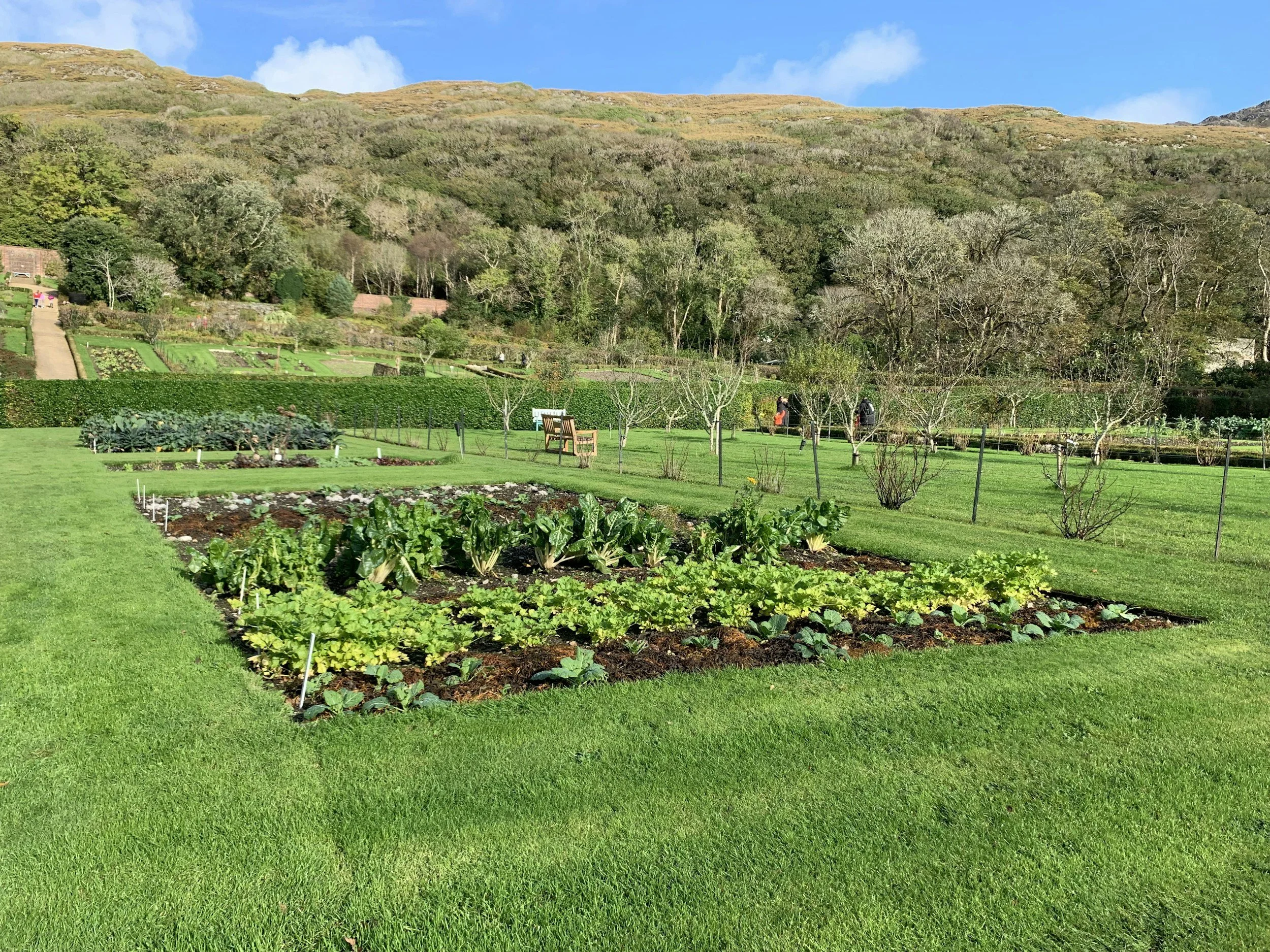
photo by green and prosperous
A Better Late-Summer Strategy
Instead of giving the entire vegetable garden the same treatment, assess it crop by crop.
Continue feeding productive, nutrient-hungry vegetables when there is a reasonable indication that they need it. Give newly planted fall vegetables the nutrition they need to establish themselves. Pay extra attention to containers, where nutrients are depleted more rapidly. Allow declining summer crops to finish their season without trying to stimulate large amounts of new growth.
At the same time, keep up with the basics: consistent watering, disease management, harvesting, mulching, and removing badly damaged plant material.
Late summer is a transition period in the vegetable garden. Some plants are finishing, others are still producing, and a new round of cool-season crops may just be getting started. The goal isn't to fertilize more. It's to give each crop what it needs at the right stage of growth.
That approach can help you keep your garden productive through the final weeks of summer while setting the stage for a healthy fall harvest.
Frequently Asked Questions
-
It depends on what you are growing and the condition of your soil. Productive tomatoes, peppers, and other heavy-feeding vegetables may benefit from a light feeding, while declining plants near the end of their life cycle usually do not. Newly planted fall vegetables may also need additional nutrients.
-
There is no single fertilizer that is best for every vegetable. A balanced vegetable fertilizer may work well for many crops, while fruiting plants such as tomatoes and peppers generally should not receive excessive nitrogen. Choose a fertilizer based on the crop and, ideally, the results of a soil test.
-
Healthy tomatoes and peppers that are still flowering and producing fruit may benefit from modest fertilization if nutrients have become depleted. Avoid high-nitrogen fertilizers, which can encourage excessive leafy growth rather than fruit production.
-
Adding finished compost before planting is an excellent way to prepare beds for fall vegetables. Depending on your soil fertility and the crops you are planting, you may also want to apply an appropriate balanced fertilizer, like a 10-10-10 granular formula. Leafy greens such as kale and lettuce generally require more nitrogen than root crops.
-
Avoid fertilizing plants that are severely heat- or drought-stressed. Water them appropriately and allow them to recover first. Applying too much fertilizer to stressed plants can damage roots and will not correct problems caused by extreme heat or inadequate moisture.