


How and When to Harvest Squash, and How Big Is Too Big?
/Growing squash is one of the upsides of summer gardening. Whether you're growing zucchini, yellow squash, butternut, or acorn squash, these productive plants can provide an abundant harvest. This year, to be honest, none of my zucchini squash germinated. However, my scallop (pattypan) and honeynut squash arrived in abundant supply, as did a few unexpected butternut squashes, and we’re still enjoying the harvest from all of these plants.
Knowing exactly when to pick the scallop and butternut squash, which I am growing for the first time, hasn’t always been straightforward, though. This is a common problem if you’re new to growing squash (or in my case, certain squash varieties).

photo by green and prosperous
Harvest too early, and you may sacrifice flavor or storage potential. Wait too long, and your squash might develop tough skin, oversized seeds, or a less desirable texture. The right timing depends largely on whether you're growing summer or winter squash.
Here's how to recognize when your squash is ready to harvest, determine how big is too big, and get the most out of your crop.
Summer Squash vs. Winter Squash: What's the Difference?
Before deciding when to harvest, it's important to understand the distinction between summer and winter squash.
Summer squash, including zucchini, yellow straightneck, crookneck, and pattypan varieties, is harvested while immature. At this stage, the skin is tender, the seeds are small, and the flesh has a delicate flavor.
Winter squash, including butternut, acorn, spaghetti, and Hubbard varieties, is harvested at full maturity. Its thick, hardened rind protects the flesh and allows many varieties to be stored for months.
Despite their names, both types grow during the warm season. The distinction refers primarily to their stage of maturity at harvest and their storage characteristics.
When to Harvest Summer Squash
Summer squash grows rapidly, particularly during warm weather when plants receive adequate water. A zucchini that looks perfectly sized today can become enormous within a few days.
So for the best flavor and texture, harvest summer squash while it's still young and tender.
Here are some general size guidelines:
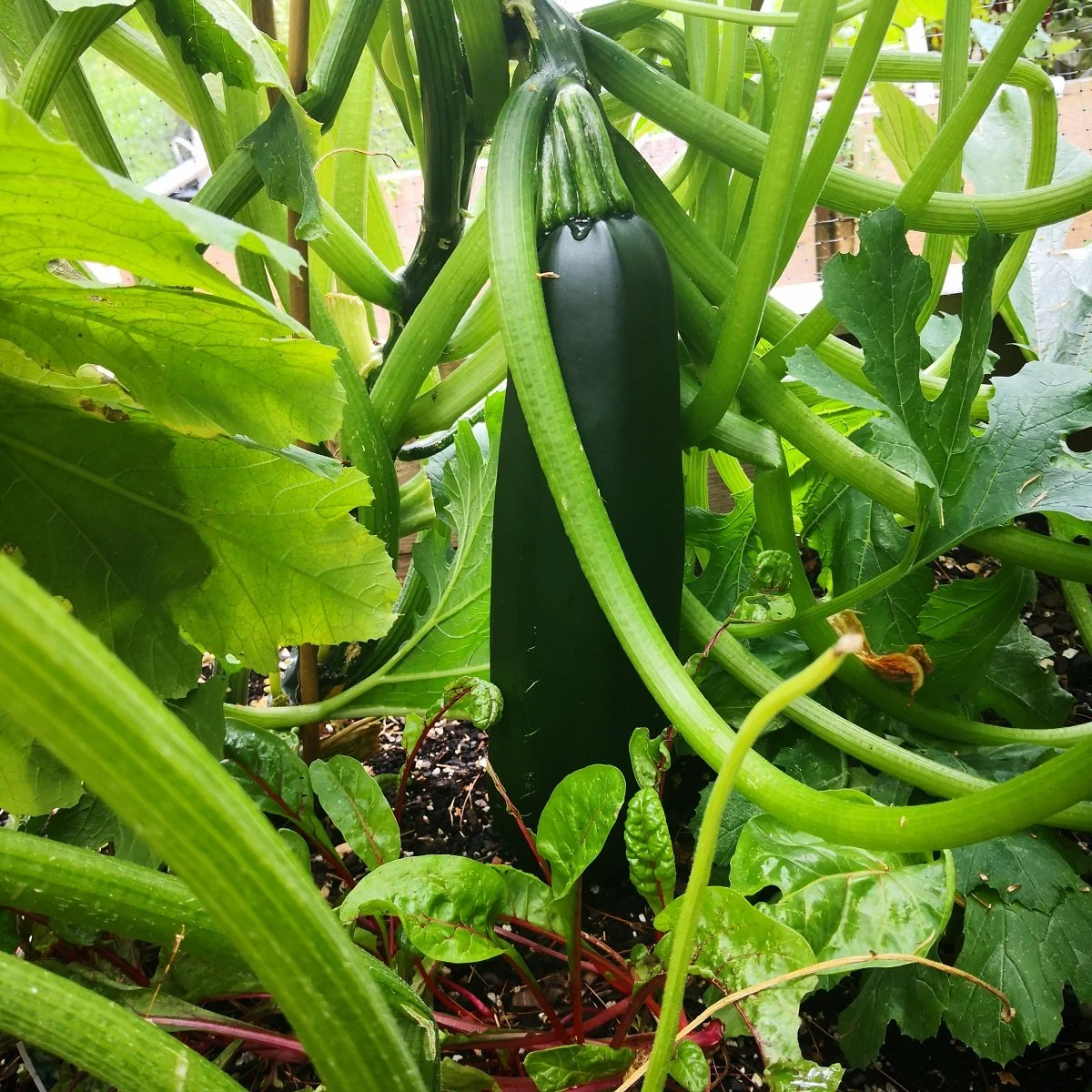
photo by green and prosperous
Variety Ideal Harvest Size:
Zucchini: 6-8 inches long
Yellow straightneck: 4-8 inches long
Yellow crookneck: 4-6 inches long
Scallop/pattypan: 2-4 inches across
Round zucchini: 3-4 inches across
These measurements are guidelines rather than strict rules. Some varieties are bred to grow larger while maintaining their tenderness, so check your seed packet for specific recommendations.
Most summer squash varieties begin producing approximately 45–60 days after planting.
Once harvesting begins, inspect your plants every day or two. Trust me, you’ll want to check carefully under large leaves to make sure you haven’t missed any, because the larger your squash gets, the less flavor it will have.
Signs Your Summer Squash Is Ready
A harvest-ready summer squash should have firm flesh and relatively glossy skin.
The rind should be tender enough to puncture easily with your fingernail. If the skin has become hard and difficult to penetrate, the fruit is probably overmature.
Smaller squash generally has fewer developed seeds, a more delicate flavor, and a firmer texture.
Harvesting regularly also encourages continued production. When mature fruits remain on the plant, they continue developing seeds. Removing young squash allows the plant to direct resources toward producing additional fruit, as long as growing conditions remain good.
How Big Is Too Big for Zucchini and Other Summer Squash?
Anyone who has grown zucchini knows how quickly a perfectly ordinary vegetable can turn into something resembling a baseball bat.
But is an oversized zucchini actually too big to eat?
Not necessarily.
Once zucchini grows beyond approximately 10–12 inches, it often begins developing tougher skin, larger seeds, and a more fibrous or watery interior. However, the precise point at which quality declines depends on the variety.
An oversized zucchini isn't automatically inedible. It simply may not be ideal for recipes that call for tender, young squash.
Fortunately, there are several ways to use it.
Zucchini bread and muffins: Grate the flesh, removing large seeds and tough skin if necessary.
Stuffed zucchini: Cut the squash lengthwise, scoop out the seedy center, and fill it with your favorite ingredients.
Soups and stews: Peel the squash and remove mature seeds before cooking.
Zucchini fritters: Grate the flesh and squeeze out excess moisture before combining it with other ingredients.
Oversized yellow squash can be used similarly, although its tougher skin and developed seeds may require more preparation.
If the flesh has become extremely woody or fibrous, composting may be the better option.
One important caution: never eat squash that tastes unusually or intensely bitter. Severe bitterness can indicate elevated levels of naturally occurring compounds called cucurbitacins, which can cause gastrointestinal illness. Cooking doesn't reliably eliminate these compounds, so discard bitter squash.
When to Harvest Winter Squash
Unlike summer squash, winter squash should generally remain on the vine until it reaches full maturity.
Harvesting prematurely can result in less flavorful flesh and a shorter storage life.
Most winter squash varieties require approximately 80–120 days to mature, although some take longer.
Rather than relying on size alone, look for several signs of maturity.
1. The Rind Has Developed Its Mature Color
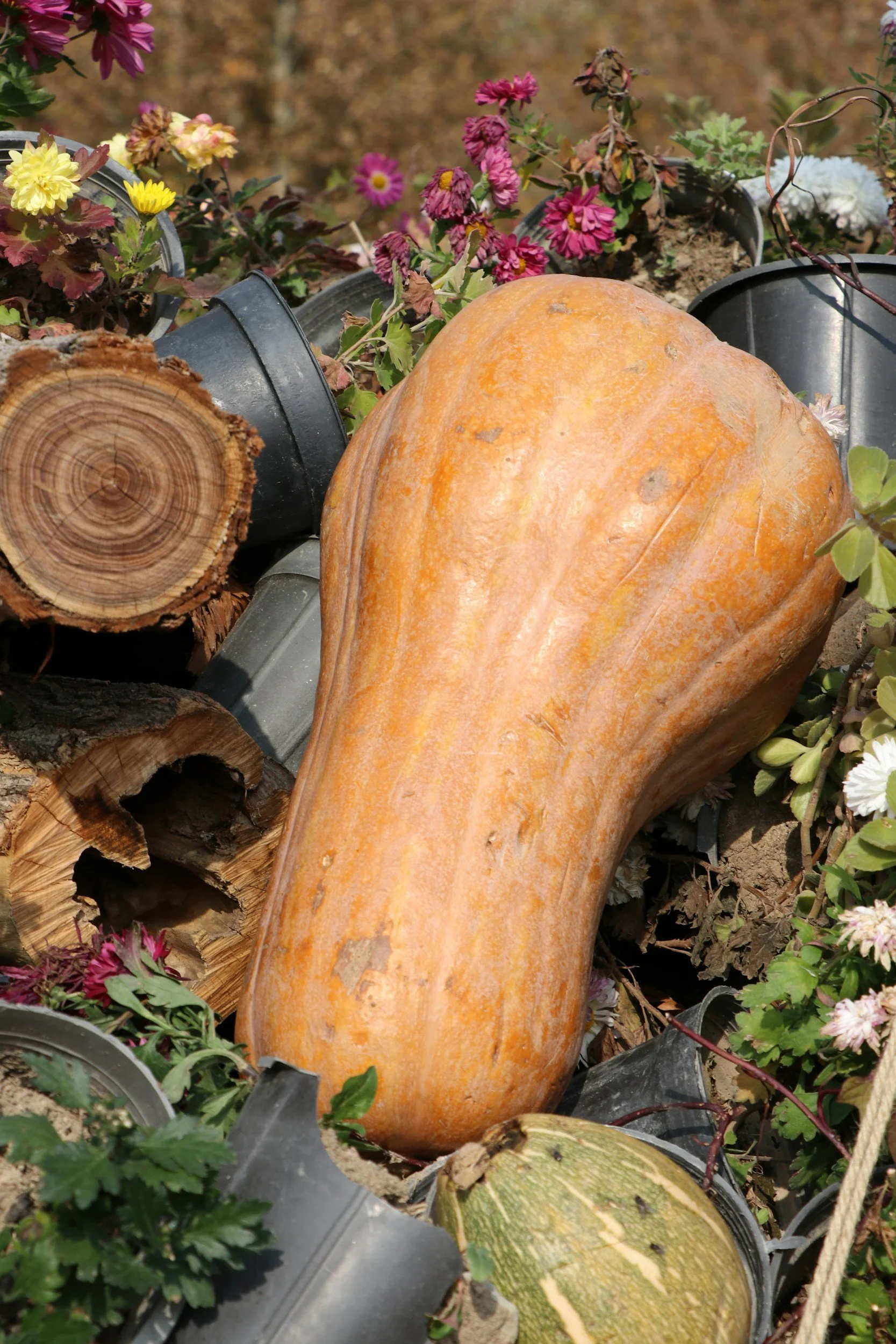
Butternut squash typically turns a uniform tan color, while many acorn squash varieties develop a deep green rind with an orange patch where the fruit rested on the ground.
Spaghetti squash generally turns yellow.
Colors vary among cultivars, so consult your seed packet to determine what mature fruit should look like.
2. The Skin Has Hardened
A mature winter squash should have a firm rind that resists puncture when gently pressed with a fingernail. Avoid breaking the skin, since damaged areas can become entry points for decay.
3. The Stem Has Begun to Dry
Many winter squash varieties develop a dry, corky stem as they mature. However, stem appearance varies, so consider this characteristic alongside rind color and hardness.
4. The Expected Maturity Period Has Passed
Check your seed packet for the variety's approximate days to maturity.
Cool weather, inadequate sunlight, and other unfavorable growing conditions can delay development, so use the estimated maturity date as a guide rather than a guarantee.
Harvest winter squash before a hard freeze. Light frost may damage the leaves without ruining the fruit, but freezing temperatures can injure squash and significantly reduce its storage life. You can also use a frost cover to protect it if you need to keep it outside for a while after the first frost has appeared.
MOHAMMADREZA Kr @unsplash
If extended freezing weather is on the horizon, harvest mature fruit beforehand.
How Big Is Too Big for Winter Squash?
Unlike summer squash, winter squash doesn't necessarily become less desirable just because it grows large. Some varieties, including Hubbard squash and certain pumpkins, naturally produce enormous fruit.
A mature butternut squash might weigh 2–5 pounds, while Hubbard squash can weigh 10–20 pounds or more. The important question is whether the fruit has reached maturity, not whether it has exceeded a particular size.
However, leaving fully mature winter squash in the garden indefinitely can expose it to insect damage, disease, excessive moisture, and frost. Once the rind has hardened and the fruit has developed its mature color, it's generally time to harvest.
How to Harvest Squash Properly
Proper harvesting helps prevent damage to both the fruit and the plant. For summer squash, use clean pruning shears or a sharp knife to cut the stem approximately one inch above the fruit.
Avoid twisting or pulling squash from the vine. Doing so can damage the plant, potentially reducing future production. Handle harvested squash gently to prevent bruising.
For winter squash, cut the stem with pruning shears or a sharp knife, leaving approximately 2–3 inches attached to the fruit.
Never carry winter squash by its stem. If the stem breaks off, the resulting wound can create an entry point for decay and shorten storage life.
Harvest when plants are dry whenever possible and avoid damaging the rind.
How to Store Your Squash After Harvesting
Summer squash is highly perishable and should be refrigerated promptly. Store it unwashed in the refrigerator's vegetable drawer and aim to use it within approximately 4–7 days.
Winter squash requires different handling.
Many varieties, including butternut and Hubbard, benefit from curing in a warm, dry, well-ventilated location for approximately 10–14 days. Curing helps harden the rind and heal minor surface injuries.
Acorn squash is an important exception: it generally should not be cured because warm curing conditions can reduce its eating quality and storage life.
After curing, store suitable winter squash in a cool, dry, well-ventilated location, ideally around 50–55°F. Storage life varies considerably by variety, ranging from several weeks to several months.
Inspect stored squash regularly and use any fruit showing signs of deterioration right away.
Don't Wait Too Long to Harvest
Knowing when to harvest squash comes down to understanding what you're growing. Pick summer squash young and frequently for tender flesh, small seeds, and continued production. Allow winter squash to mature fully, developing its characteristic color and hard rind before harvesting.
And if you discover an enormous zucchini hiding beneath the leaves, don't assume it's a loss or destined for the compost pile. With a little preparation, even oversized squash can become a delicious addition to your cooking.
The key is to check your plants regularly, recognize the signs of maturity, and harvest at the stage that delivers the best flavor and quality.