


Why That Mulch Ring around Your Tree Might Be Hurting It More Than Helping
/Mulch has a reputation as one of the easiest wins in gardening. Spread it around, and it holds in moisture, blocks weeds, and makes a yard look tidy. But there is a mistake so common that most homeowners do not even realize they are making it. It shows up in front yards, office parks, and even public gardens. It is called a mulch volcano, and it can slowly kill the very trees it was meant to protect.
If you have ever seen a tree trunk buried under a tall, cone-shaped pile of mulch, you have seen a mulch volcano in action. It looks neat. It even looks intentional, like someone put real effort into it. Unfortunately, that mound is doing the opposite of what most people think. In fact, arborists across the country have been trying to warn homeowners about this exact habit for decades, yet it keeps showing up in neighborhoods everywhere, often because landscaping crews repeat the same technique without ever questioning it.

eXtension.org @flickr
CC BY-NC-SA 2.0
What Actually Happens Under That Mound
Tree trunks are not built to sit underground. The bark near the base of a tree, called the root flare, needs air. When mulch piles up against the trunk, it traps moisture right where it should not be. Over time, that damp bark starts to soften and rot. This opens the door to fungus, insects, and disease that a healthy tree would normally fight off on its own.
Meanwhile, the roots underneath the pile can start growing upward instead of outward, wrapping around the trunk instead of spreading through the soil. This is called root girdling, and it slowly chokes the tree from the inside. None of this happens overnight. That is part of the problem. A tree can look fine for a year or two while the damage quietly builds underneath, which is exactly why so many homeowners never connect a declining tree with the mulch pile sitting right at its base.
There is also a financial side to this that often gets overlooked. Removing a mature shade tree because it could not be saved can cost far more than any amount of mulch would have. So what looks like a small landscaping shortcut can turn into a major expense a few years down the line, on top of losing the shade, curb appeal, and property value that tree once provided.
Getting Mulch Right from the Start
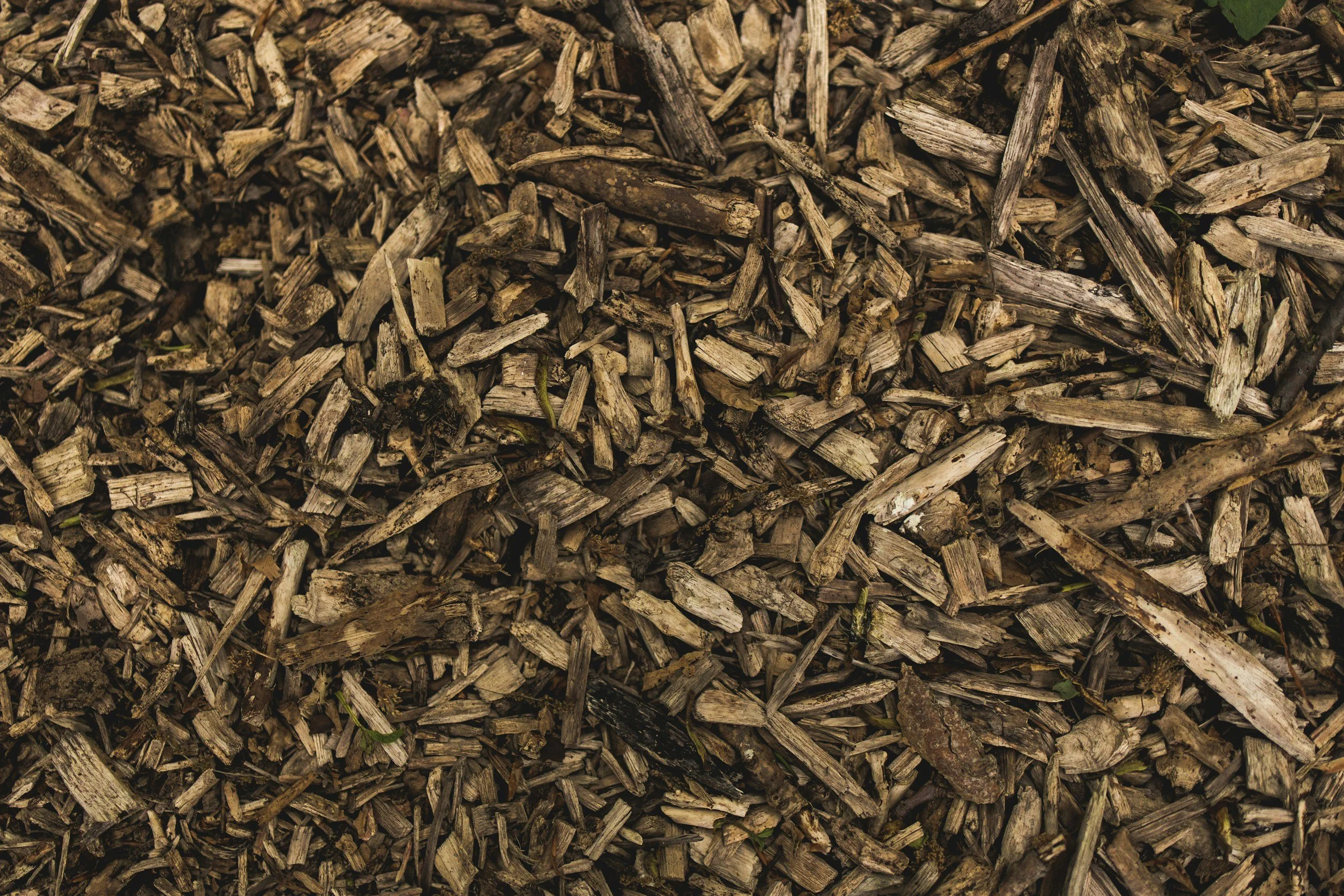
The good news is that fixing this is simple, and so is doing it correctly the first time. Mulch should sit in a flat, even layer, about two to four inches deep, spread out under the tree's canopy rather than piled against the trunk. Leave a gap of a few inches between the mulch and the bark so air can circulate. Think donut, not volcano.
Paul Green @unsplash
The type of mulch matters too. Shredded hardwood, bark chips, and other organic materials break down over time and actually feed the soil as they decompose. That is a nice bonus on top of moisture retention and weed control. Dyed or rubber mulch, on the other hand, tends to break down more slowly and does not offer the same soil benefits, so it is worth thinking about your long-term goals before choosing a bag or a bulk load.
If you are getting ready to mulch your garden beds or refresh the area around your trees this season, sourcing good material matters just as much as the technique. For homeowners in San Diego County, finding bulk mulch near you in Escondido, CA is easier than hauling bags from a big box store one trip at a time. Buying in bulk also tends to save money if you have more than a small flower bed to cover, and it means you get fresh material instead of mulch that has been sitting in plastic for months. It also cuts down on plastic bag waste, which is a small but real perk if sustainability matters to you.
Timing Your Mulching for the Season
Spring and fall tend to be the best windows for mulching in most climates, since the soil is not extremely hot or frozen. In hotter regions like Southern California, laying mulch before the summer heat arrives can make a real difference in how much water your plants and trees need. A properly mulched bed can hold onto moisture noticeably longer than bare soil, which means less time spent dragging a hose around the yard and a smaller water bill by the end of the season.
Pairing Mulch with the Rest of Your Landscape
Mulch does not work in isolation. It is one piece of a larger plan for keeping your yard healthy through hot, dry stretches. If you recently moved into a home with mature trees, or you planted new ones and want them to thrive, it helps to understand the basics of seasonal watering, pruning, and root protection. Many of the same care principles that keep young trees strong tie directly into how and where you place mulch. Getting familiar with tree care fundamentals for homeowners can save you from a handful of expensive mistakes down the road, mulch volcanoes included.
It is also worth remembering that different trees have different needs. A young sapling with a shallow root system will benefit from a smaller, gentler mulch ring, while a mature oak can handle mulch spread across a much wider area, as long as it still stays clear of the trunk. Shrubs and perennials generally do well with a slightly thinner layer, closer to two inches, since their root systems sit nearer the surface and do not need as much material to stay protected.
Signs Your Tree Might Already Be in Trouble
Not sure if a tree on your property has been volcano mulched for years? Look for a trunk that seems to disappear straight into the ground, with no visible flare where the roots begin to spread. Peeling or soft bark near the base, mushrooms growing at the trunk, or a tree that seems to be declining without an obvious cause are all worth investigating. Thinning leaves, stunted growth, and branches that die back from the top down can also be signs that something is wrong beneath the surface.

Pedro Kümmel @unsplash
Tree care professionals have documented this issue for years, and their guidance is consistent. Bartlett Tree Experts, a respected name in professional arboriculture, explains that mulch volcanoes trap moisture against the bark and create conditions that invite decay, and that correcting the problem simply means spreading mulch beneath the full canopy instead of piling it against the trunk.
A Simple Fix That Pays Off
If you already have a mulch volcano on your property, do not panic. Grab a rake or a small hand trowel and gently pull the excess mulch away from the trunk until you can see the root flare again. Redistribute that mulch in a wider, flatter ring instead. It takes maybe twenty minutes per tree, and it can add years to a tree's life. For trees that have been mulched incorrectly for a long time, it may take a season or two to see visible improvement, so try not to get discouraged if the bark does not look perfect right away.
Good mulching keeps soil cool, retains moisture, and reduces weeds. Just remember that more is not always better. Applying the right amount in the right place helps trees stay healthier and stronger for years to come.
About the Author:
M. Suleman is an experienced SEO content writer with more than 10 years of expertise in creating high-quality, search-optimized content. He has authored numerous articles for MytechBits.com and TravelWherever.com, written hundreds of compelling product descriptions, and professionally edited and proofread content across a wide range of industries. Alongside his writing career, he specializes in English-to-Urdu and Urdu-to-English translation, delivering accurate and culturally relevant translations. He also shares his language expertise through his YouTube channel, TransTarjuma, where he helps audiences improve their translation and language skills.