


What to Plant in Late August for a Fall Harvest
/By late August, your summer garden may be showing signs of wear. Tomatoes are slowing down production, cucumber vines may be struggling with disease, and some early-season crops have already finished growing. Before you put away your gardening gear, keep in mind that there may still plenty of growing season left, depending on your region and first frost date. In many part of the Norther Hemisphere, late August is a great time to plant a second round of vegetables for a fall harvest.
In fact, fall is my second-favorite time of year to grow an edible garden (next to spring).
Kelsey Farish @unsplash
What’s so great about fall gardening? Cooler temperatures for one. Have you been out trying to weed, plant, or harvest this summer with the scorching sun beating down on you? Not fun, and if you don’t hydrate well and take frequent breaks, overheating can even be life-threatening. Aside from gardening being a lot more comfortable in the fall, many common summer pests become less troublesome, and vegetables such as kale, carrots, and spinach often develop better flavor after exposure to cool weather. The key is choosing crops that mature quickly enough to produce before the serious frost hits and knowing which vegetables can tolerate increasingly cold temperatures.
Start with Your First Frost Date
Before deciding what to plant in late August, find your area's average first fall frost date. Then compare that date with the "days to maturity" listed on your seed packet or plant label.
If your average first frost is October 20, for example, planting on August 25 gives you roughly eight weeks of growing time. A radish that matures in 25 days should have plenty of time. A 100-day winter squash probably will not.
Keep in mind that plant growth slows as daylight decreases, so give yourself some extra time rather than assuming that a 50-day crop planted 50 days before frost will mature on schedule.
Some cool-season vegetables can also withstand light frost, which extends their effective growing season considerably.
Leafy Greens
Leafy greens are among the best vegetables to plant in late August because many grow quickly and prefer cooler temperatures.
Lettuce is a particularly good choice. Leaf lettuce can often be harvested within a few weeks, especially if you pick individual outer leaves rather than waiting for full heads to form. In hot climates, provide afternoon shade or use shade cloth while seeds germinate.
Arugula grows rapidly and generally performs better as temperatures begin to fall. Its leaves can be harvested young for a milder flavor or allowed to mature for a stronger, peppery taste.
Mustard greens are another fast-growing option. Many varieties tolerate light frost and can be harvested as baby greens before reaching full size.
Spinach is ideal for cool weather, although germination can be difficult in hot soil. If late-August temperatures are still high in your area, you may have better results starting seeds in a cooler location or waiting until temperatures moderate slightly.
Kale and Collard Greens
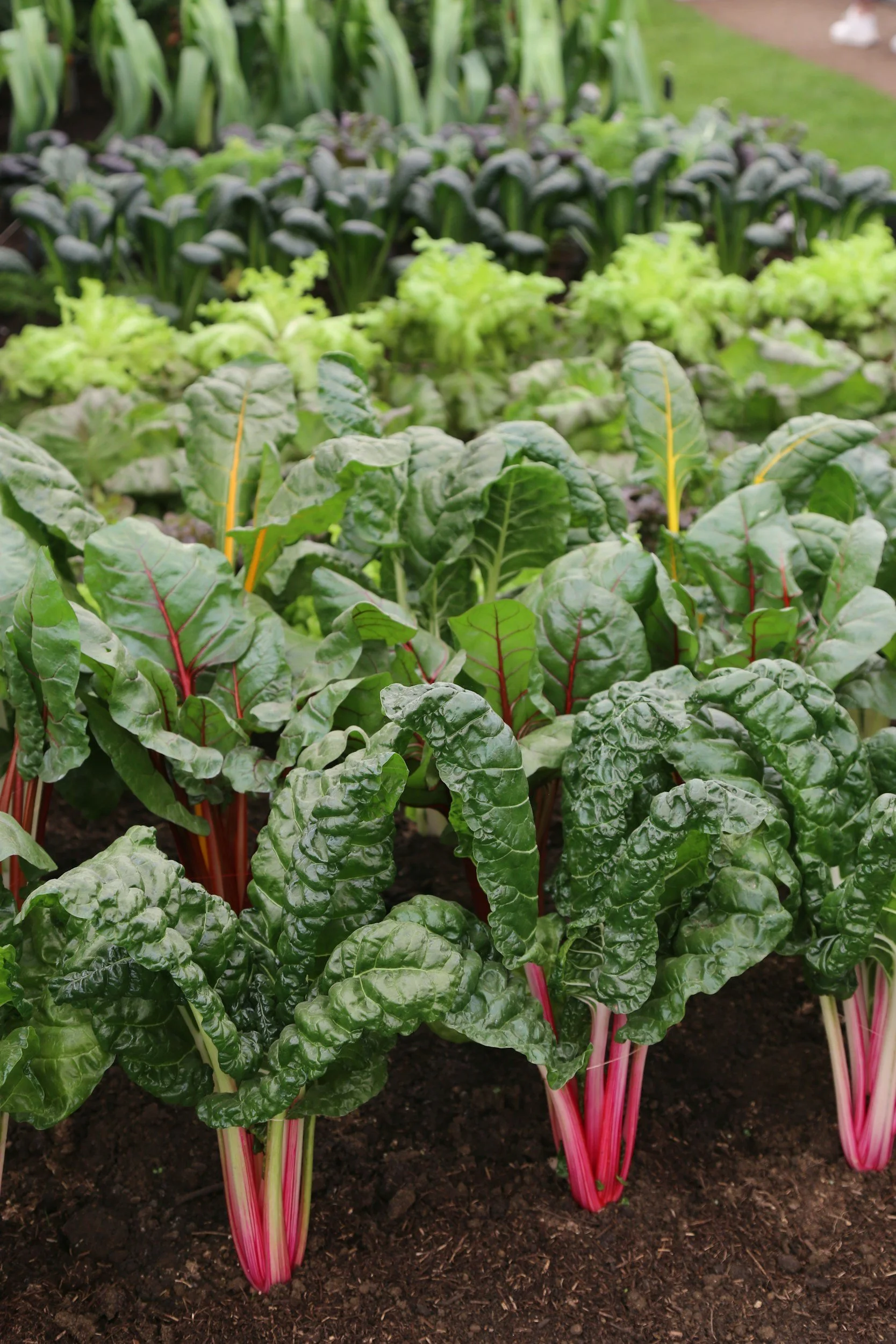
Kale and collards are excellent choices for a fall garden because established plants tolerate cold weather remarkably well.
If your first frost arrives relatively early, transplants may be a better choice than starting these crops from seed in late August. Gardeners with longer fall seasons can still direct-sow quick-growing varieties.
You do not have to wait for full-sized plants to begin harvesting. Young kale and collard leaves can be picked as baby greens, allowing you to get something from the crop even if cold weather arrives earlier than expected.
As an added benefit, cool temperatures can improve the flavor of these vegetables by making the leaves taste sweeter.
Don Ricardo @unsplash
Radishes
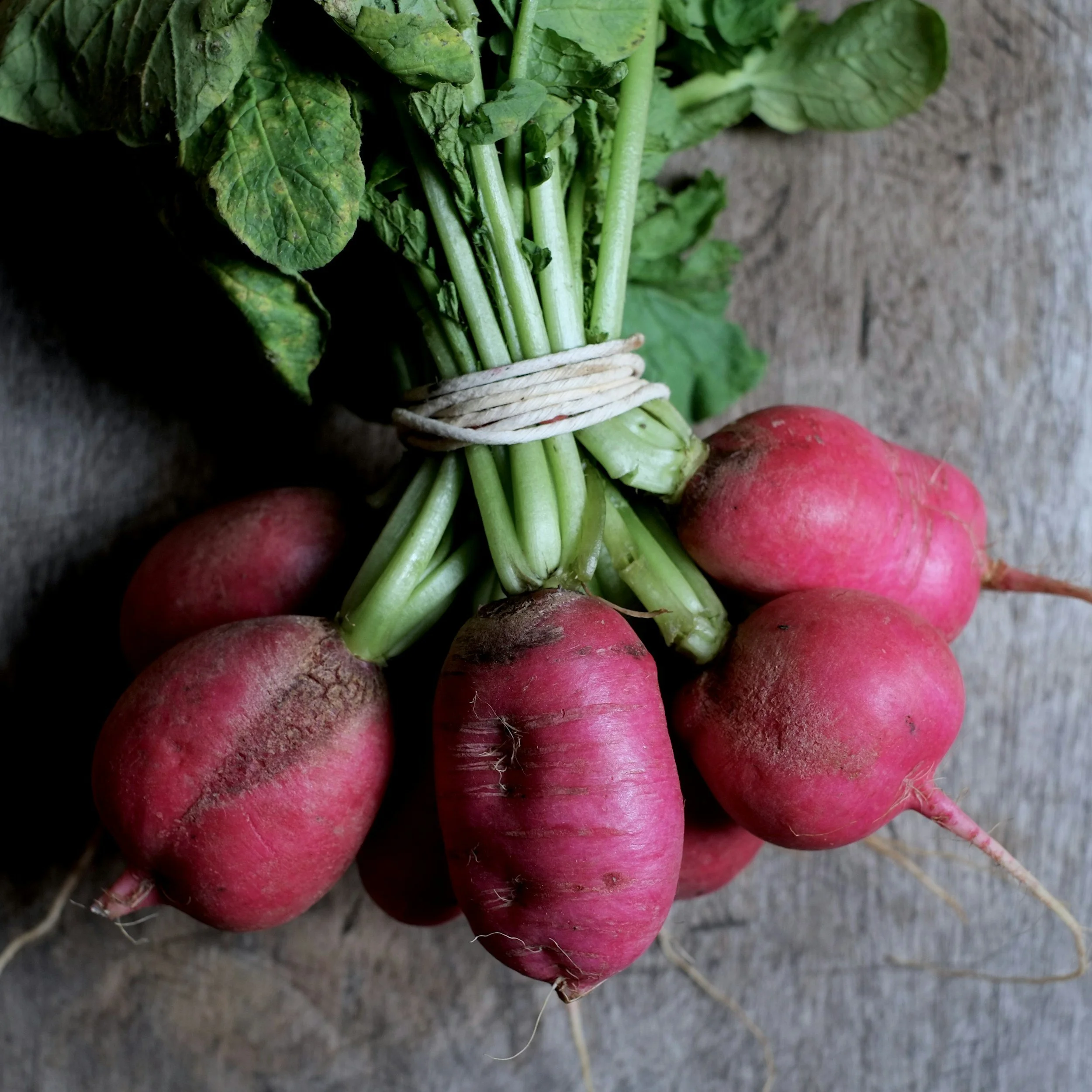
If you want one of the quickest returns from your late-summer garden, plant radishes.
Some varieties are ready to harvest in approximately three to four weeks, making it possible to grow more than one succession before winter in areas with a long fall season.
Direct-sow radish seeds in loose soil and keep them consistently moist. Because radishes grow so quickly, you can also sow small batches every week or two rather than planting the entire crop at once.
Carrots
Late August can also be a good time to sow carrots for fall and early-winter harvesting, depending on your climate.
Carrots germinate best when their seedbed remains consistently moist. This can be challenging during hot late-summer weather because the soil surface dries quickly. Water gently and frequently during germination and consider covering the seedbed temporarily with a lightweight material that helps retain moisture.
Choose shorter or faster-maturing carrot varieties if your growing season is limited.
Once established, carrots tolerate cold surprisingly well. In some climates, gardeners can leave mature carrots in the ground into winter under a thick layer of mulch and harvest them as needed.
Beets
Beets give you two potential harvests from a single crop: edible roots and nutritious greens.
Direct-sow seeds in late summer and thin seedlings after they emerge so the developing roots have enough room to expand. The young leaves removed during thinning can be eaten as baby greens.
If the roots do not reach full size before cold weather arrives, you can still harvest smaller beets and their leaves.
Turnips
Turnips are another fast-growing root vegetable well suited to fall gardens.
Many varieties mature more quickly than carrots, and both the roots and greens are edible. Small turnips can be especially tender when harvested young.
Because turnips prefer cool growing conditions, late-summer planting allows them to mature as temperatures decline rather than exposing them to the heat of midsummer.
Peas
Garden peas are traditionally associated with spring, but gardeners with long, cool autumns may be able to grow a second crop in fall.
Look for fast-maturing varieties and plant them as soon as conditions allow. The challenge is getting young plants established while late-summer temperatures are still warm.
Peas become much more comfortable once temperatures cool, but timing matters. If your region moves rapidly from summer heat to freezing weather, peas may not have enough time to produce a worthwhile harvest.
Broccoli and Other Brassicas
Broccoli, cabbage, cauliflower, and similar brassicas thrive in cool weather, but starting them from seed outdoors in late August may be too late in many regions.
Instead, look for healthy transplants at a local garden center. Transplants give you a several-week head start and increase the chances of harvesting mature vegetables before severe winter weather arrives.
Broccoli can be particularly productive because many varieties continue producing smaller side shoots after the central head is harvested.
Don't Forget Herbs
Several herbs also appreciate cooler fall weather.
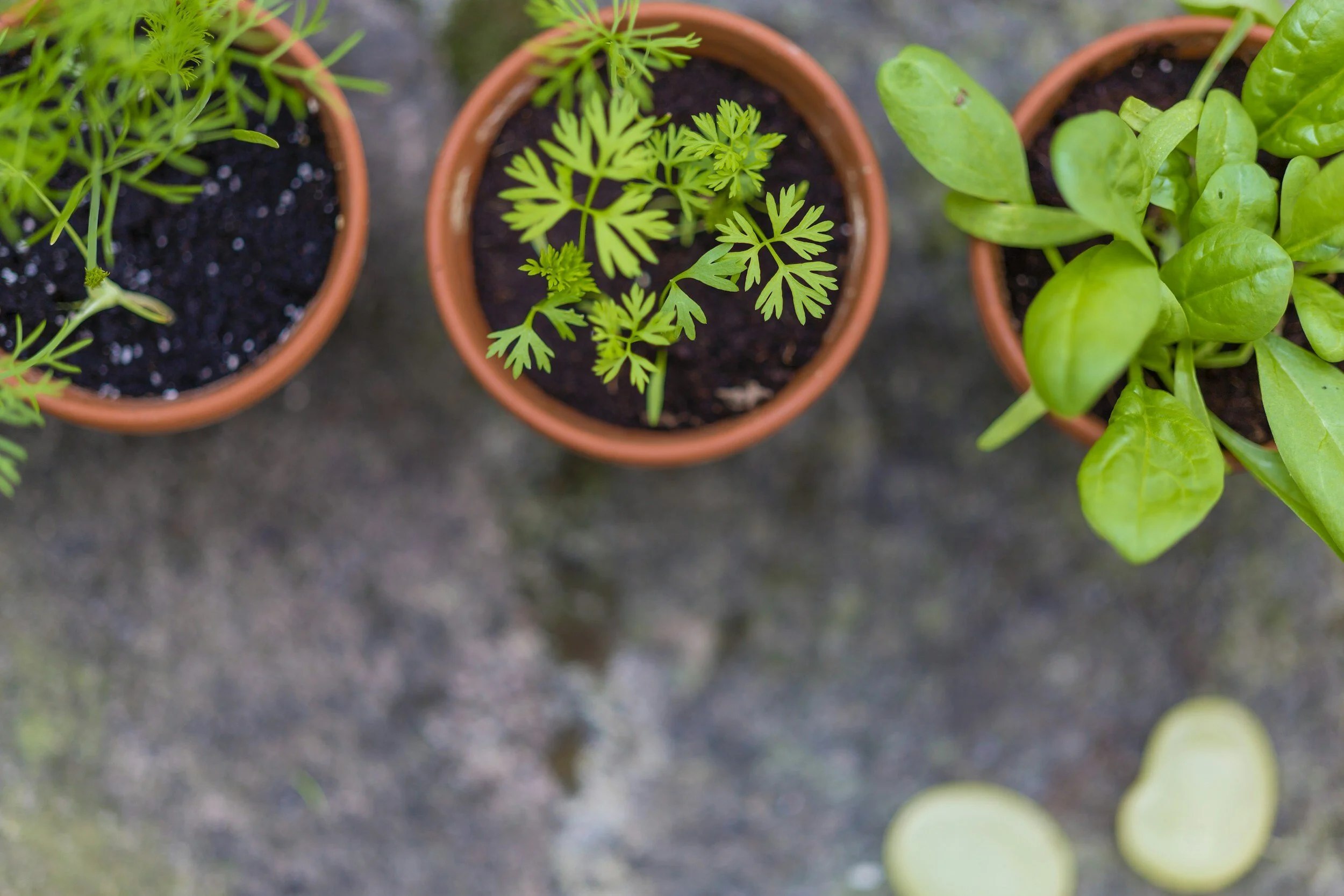
Cilantro frequently bolts quickly when grown during summer heat, making late summer and early fall a better planting window. Dill and parsley may also perform well, depending on your climate.
Parsley is especially cold tolerant. In milder climates, established plants may survive well into winter and sometimes return the following spring.
Prepare the Garden Before Replanting
Before planting fall crops, remove vegetables that are no longer productive, particularly diseased plants. However, there is no need to clear the entire summer garden just because August is ending. Healthy tomatoes, peppers, eggplants, herbs, and other warm-season crops can continue producing until temperatures become too cold.
Add a thin layer of finished compost to areas you are replanting and gently work it into the soil surface if needed. Avoid excessive fertilizer, particularly for root crops.
Late-summer seedlings also require careful watering. Seeds and newly emerged plants have shallow root systems and can dry out rapidly during hot August weather. Check them frequently until they become established.
Use Succession Planting to Extend the Harvest
You do not have to plant everything at once. Fast-growing vegetables such as radishes, arugula, lettuce, and mustard greens are excellent candidates for succession planting.
T (@tanyaburrow) @unsplash.com
Try sowing a small amount every one to two weeks. Instead of harvesting dozens of radishes or several heads of lettuce simultaneously, you can spread your harvest over a longer period.
As fall progresses, row covers or other season-extension methods can also help protect tender seedlings from unexpected cold snaps.
Late August Is a Beginning, Not an Ending
It is easy to think of August as the beginning of the end of the gardening year, but an edible garden does not have to shut down when summer crops begin to fade.
Late August can mark the beginning of an entirely new growing season. Lettuce, arugula, radishes, carrots, beets, turnips, kale, collards, and other cool-season vegetables can take over spaces left behind by declining summer plants.
The exact crops you can grow will depend on your first frost date and local climate, so start with vegetables that have enough time to mature and prioritize cold-tolerant crops as fall approaches.
With thoughtful planting now, your garden can continue providing fresh food well beyond the traditional summer harvest, and in milder climates, possibly right into winter.