10 Ways that Endocrine Disruptors are Screwing up your Health

10 Ways that Endocrine Disruptors are Screwing up your Health

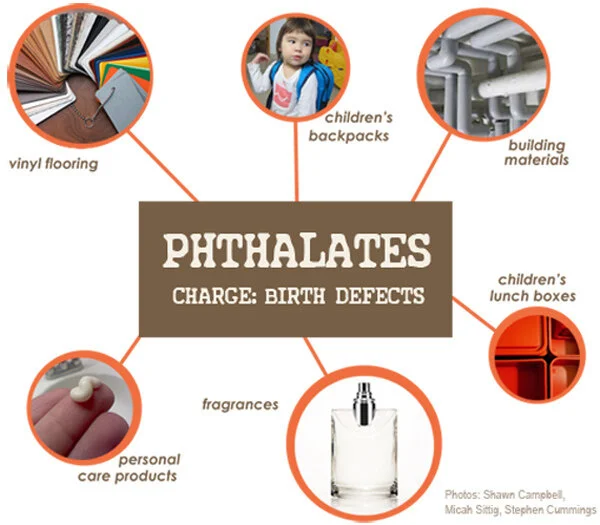
We are all exposed to endocrine disruptors like BPA, dioxin, lead, arsenic, pesticides, and pharmaceuticals. Here's a list of what they can do to the human body and the environment, along with a resource to help you minimize your exposure to these harmful synthetic chemicals.


Read More

Farm Aid – the best event you’ve barely heard about

Farm Aid – the best event you’ve barely heard about

When Willie Nelson, Neil Young, and John Mellencamp founded Farm Aid back in 1985, sponsoring its first concert in Champaign Illinois, American farmers were in crisis. A series of droughts had devastated farms in the Midwest, Ohio Valley, and Great Lakes regions, with Kentucky and Ohio suffering their driest spells of the 20th century. Family farms were struggling to stay afloat, with many of them deeply in debt. Although the drought conditions would continue (and in some places, worsen) throughout the 1980s, Farm Aid brought the troubles faced by American family farmers to public consciousness for the first time. It also raised money to help

Read More

Cold prevention and treatment without the harmful chemicals

Cold prevention and treatment without the harmful chemicals

It’s official: summer is over and fall is underway! Kids are back in school and (hopefully) settled into their daily routines. If your family is anything like mine, you’ve already had to deal with the fallout from cold and flu season. Without fail, each time the season changes, the sniffles begin and (if we’re not careful), someone comes down with a cold or flu.

It’s not the temperature changes that cause colds and flu; it’s that certain viruses thrive in the cooler temperatures. Rhinovirus and coronavirus are the most common culprits that cause illness this time of year.

If you have realized that the fall season ushers in the first bouts of cold and flu in your household, there is something you can do to prevent illness from getting your kids (and you too!) off track this season.

Read More

Urban gardening: plant cover crops this fall for a better, faster, and more abundant harvest

Urban gardening: plant cover crops this fall for a better, faster, and more abundant harvest

As more and more people around the world have become aware of the ongoing problems with industrial, large scale farming, we’ve seen a rise in urban and peri-urban farming. This is ultimately a good thing, but it can also present some problems that exacerbate existing problems.

Whether urban farming can solve any of the current global agricultural crises (food waste, food deserts, soil erosion, overuse of pesticides, increased use of GMOs, monocropping) is debatable, but done efficiently, it can address some of these problems on a small scale.

Read More

Is Agritourism Really Eco-Friendly?

Is Agritourism Really Eco-Friendly?

Agritourism, or agrotourism, as it’s also known, is often described as the intersection between agriculture and tourism. Broadly, it refers to the activity of visiting a working farm (or ranch). These days, it’s considered a form of eco-tourism because it aims to be small-scale, environmentally low-impact, and involves educating paying visitors in some way. Farm owners also aim to showcase their products, and in many cases, invite visitors to harvest some of their produce. While agritourism is an increasingly popular activity around the world, it is not a new one. However, it has changed a lot in recent years, especially in the US.

Read More

Go Green without Going Broke and upcoming events

Go Green without Going Broke and upcoming events

After an unexpectedly long hiatus from blogging, the Green and Prosperous blog is lining up some engaging topics that relate to the book I've been researching and writing to bring to you, dear readers, Go Green without Going Broke, vol. 1. This is the second book in the series of Green Guidebooks (#greenguidebook), after The Little Guidebook for Green Moms & Dads. 

I am so tired of saying that the book is "coming out soon", but REALLY, it is coming out in about a week. I'm finally down to making the last edits, writing the front matter, and creating copy to help publicize the book.

I just got the cover back from the book cover designer and it looks fabulous! I was so excited I couldn't wait to share it with you!

Read on for more information about all the good things coming down the pike at Green and Prosperous...

Read More

My favorite DIY green cleaners: safe, effective, and easy to make at home

My favorite DIY green cleaners: safe, effective, and easy to make at home

Most household cleaning agents contain harmful chemicals that can cause a range of health problems.  One set of ingredients in these cleaners is especially problematic, because they are known to cause cancer in humans and animals: formaldehyde and formaldehyde releasers. Sometimes formaldehyde is not actually used as an ingredient in cleaning solutions, but is present as a by-product. For this reason, it does not appear in the list of ingredients; instead, you’ll know that a product contains formaldehyde if you see the names DMDM hydantoin, or 1,4 dioxane listed among a product’s ingredients. It may also be present if other chemical ingredients like formalin, formalith, methanol, methyl aldehyde, methylene glycol, methylene oxide, paraform, or BFV appear in the ingredient list.

On the other hand, you can always make your own green cleaning products.

By making your own household cleaners, you can not only have more control over the ingredients that go into them, thereby reducing your exposure to hazardous chemicals, you can also save money in the process (especially by buying them in bulk).

Here are a few of my favorite DIY green household cleaners. 

Read More
10 Eco-Friendly Ways to Celebrate this Memorial Day

10 Eco-Friendly Ways to Celebrate this Memorial Day

Memorial Day is coming in a little more than a week from now. if you’re preparing to fire up the grill, attend a parade, visit a cemetery or memorial, or get out and say welcome to the unofficial start of summer (here’s hoping you’ll have plenty of sunshine to enjoy), you’ll be joining the majority of over 300 million Americans who will be observing the holiday this year.

Memorial Day wouldn’t be quite complete without the usual round of recommendations and suggestions for how to enjoy the long weekend. This year, we’re joining the chorus and adding our voices with 10 fun, eco-friendly, and off-the-beaten track ways to celebrate this Memorial Day.

Read More

What’s in your drinking water and should you be concerned?

What’s in your drinking water and should you be concerned?

#CleanWaterWednesday

Although news about the ongoing water crisis in Flint, Michigan has waned in the face of the upcoming Presidential election, the water crisis is far from over. This water crisis was a wake-up call for many people and some of their elected representatives about the dangers of toxic lead (and other contaminants) that have leached into municipal water supplies, partly because of aging or flawed infrastructure.

But while Flint has become the poster child for lead poisoning in particular, and contaminated water systems in general, the attention that has been riveted on Flint by the mainstream media in the US has done little to inform – or alarm – us about the details of other ongoing water crises around the country.

Read More

The Health Dangers of Prolonged Mold Exposure

The Health Dangers of Prolonged Mold Exposure

guest post by R.S. Hall

Mold is a word used to describe an array of spore-producing fungi. Mildew is another term for certain types of mold and is generally associated with the growth in showers and tubs. These allergens pose a health risk, particularly with prolonged exposure.

While the mold growing in your shower may be obvious, there are many places in your home where you may have an undetected patch lurking, such as inside the walls. Although it prefers a warm, damp environment, the spores can survive in less hospitable conditions and wait to land in a moist area. You and your family may come in contact with the spores and begin to experience troubling symptoms before you realize what is causing these health challenges.

Read More

Do We Really Need Earth Day Anymore?

Do We Really Need Earth Day Anymore?

Somehow, this past Earth Day felt different. I’m not sure why, but somehow it struck me as strange that neither of my kids’ schools mentioned it in announcements, let alone did anything special to commemorate the day. While the news cycle in the US was dominated by the ongoing war in Ukraine and the presidential election in France, the omission of anything more than brief mentions of Earth Day in the major media outlets, and even the online ones I regularly consult, felt odd.

Whether or not people were actually thinking much about Earth Day and its significance, there is one thing that made this Earth Day important, and perhaps different than any previous Earth Day. But it also underscores the main reason why the largest secular holiday in the world has become obsolete.

Read More

Are BPA-free plastics still poisoning you?

Are BPA-free plastics still poisoning you?

In my book on toxic chemicals, I wrote about the health effects of Bisphenol-A (BPA) as being pervasive: this chemical compound, found in plastics and even in some cash register receipts, has been linked to problems with metabolism, behavior, reproduction, the development of placentas and stem cells, and the growth of cancerous tumors. BPA has been blamed (at least in part) for obesity, diabetes, asthma, infertility, and even…

Read More

Winter Garden Chronicle: What I’ve Learned from Winter Gardening

Winter Garden Chronicle: What I’ve Learned from Winter Gardening

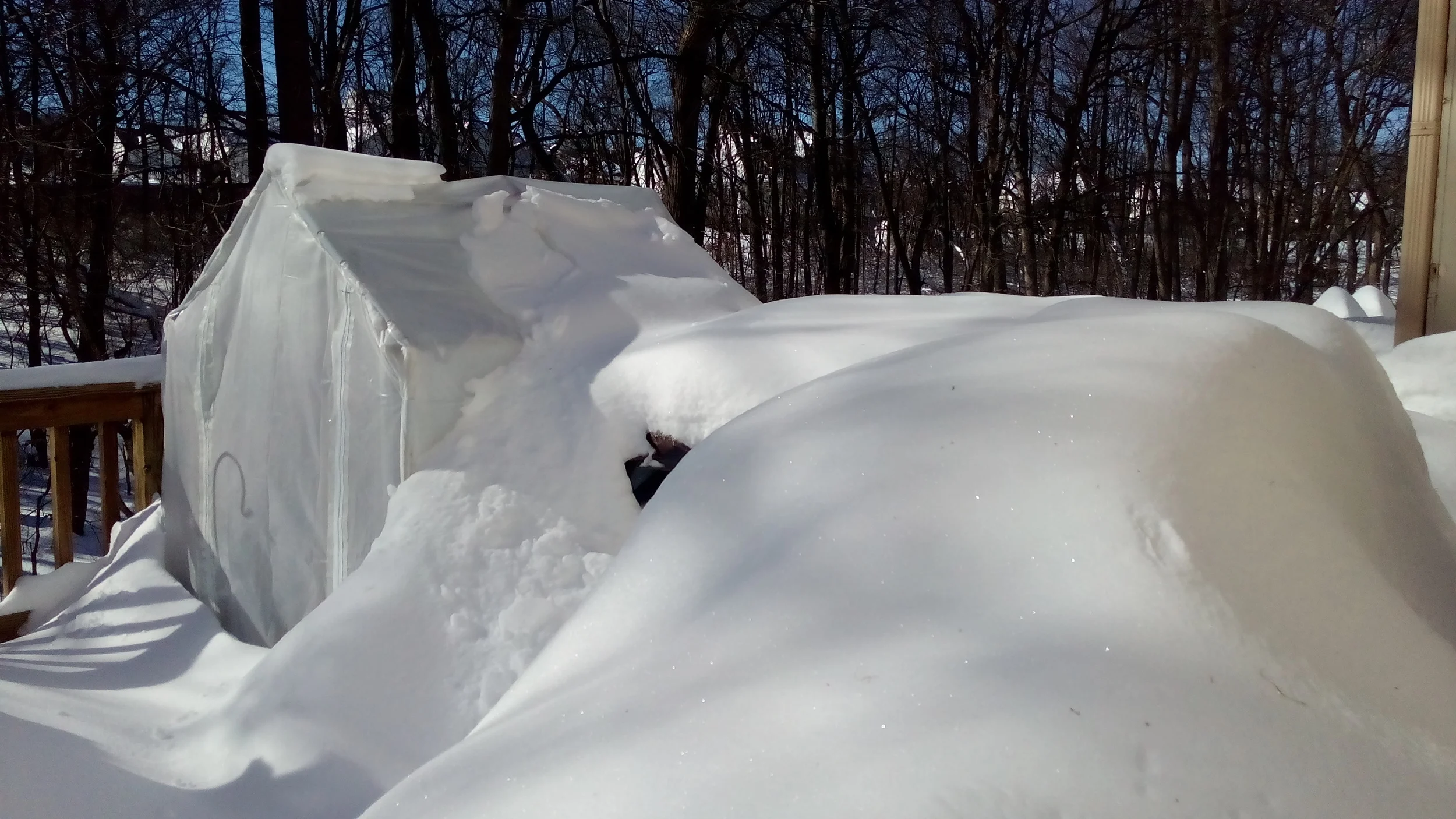
If you read my post from last October 15, you’ll remember that I embarked on my second attempt at winter gardening this year. Happily, this attempt has been a lot more effective and (most of) my plants have so far survived the cold and snow outside. Although I’m far from confident in claiming this venture a success, it has taught me some valuable lessons about year-round gardening that I’d like to share with you.

Read More

Why Your Mattress May be Making You Sick

Why Your Mattress May be Making You Sick

Chemical sensitivity affects an unknown number of sufferers worldwide. As I explained in a post that went live on November 27th, chemical sensitivity (also known by other names like multiple chemical sensitivity, idiopathic environmental intolerance, environmental illness, and environmental sensitivity) is the name given to a chronic medical condition in which the sufferer becomes sick or experiences one or more allergy-like reactions after being exposed to toxic chemicals at doses that have generally been deemed safe for humans.

Organizations now exist to help MCS sufferers find a physician who is experienced in diagnosing and treating this condition. However, there has generally been little support from doctors for patients who are suffering from the effects of their exposure to toxic chemicals. As the story of Anna[i], a woman I interviewed last September will show, MCS is poorly understood within the medical community, and it can take a sufferer months or years to figure out what is causing her ill health.

[i] a pseudonym

Read More

Why you should be optimistic about the Paris climate change conference (COP21)

Why you should be optimistic about the Paris climate change conference (COP21)

The 21st meeting of the Conference of Parties, which refers to the United Nations-sponsored climate change talks taking place in Paris this year, has renewed global discussions about the need for rapid action. Delegates are making global pleas for nations to reduce the amount of greenhouse gases that threaten the long-term security of the planet, and to create the conditions for an alternative energy revolution. The goals of this year’s climate summit are lofty, and may even be achievable. Here are five things you should know about the 2015 Paris climate change conference that will have a major impact on the environment that should give you a reason to be hopeful about our collective ability to meet this challenge within the next decade and a half.

Read More