


Why Your Garden Isn’t Producing (Even If It Looks Healthy)
/A garden can look beautiful and still leave you wondering where all the food is.
Your tomato plants may be tall and deep green. Your squash vines may be spreading enthusiastically across the bed. Your pepper plants may appear perfectly healthy. Yet when it comes time to harvest, there is very little to pick.
When this happens, it is tempting to assume that your plants need more fertilizer or water. But poor production is not always a sign of unhealthy plants. In fact, some of the conditions that encourage vigorous plant growth can also reduce flowering and fruit production.
If your vegetable garden looks healthy but is not producing as much as you expected, one or more of these common problems may be responsible.
Quick Diagnosis: Why Isn’t My Garden Producing?
Use this chart to pinpoint the most likely problems with production in your garden:
Pay attention to whether your plants are failing to flower, failing to set fruit after flowering, or producing fruit that stops developing. Those three patterns often point to different problems, and identifying which one you are seeing can help you avoid unnecessary fertilizer, pesticides or other treatments.
1. Your Plants Are Getting Too Much Nitrogen
Fertilizer can help vegetables thrive, but more fertilizer can sometimes do more harm than good.
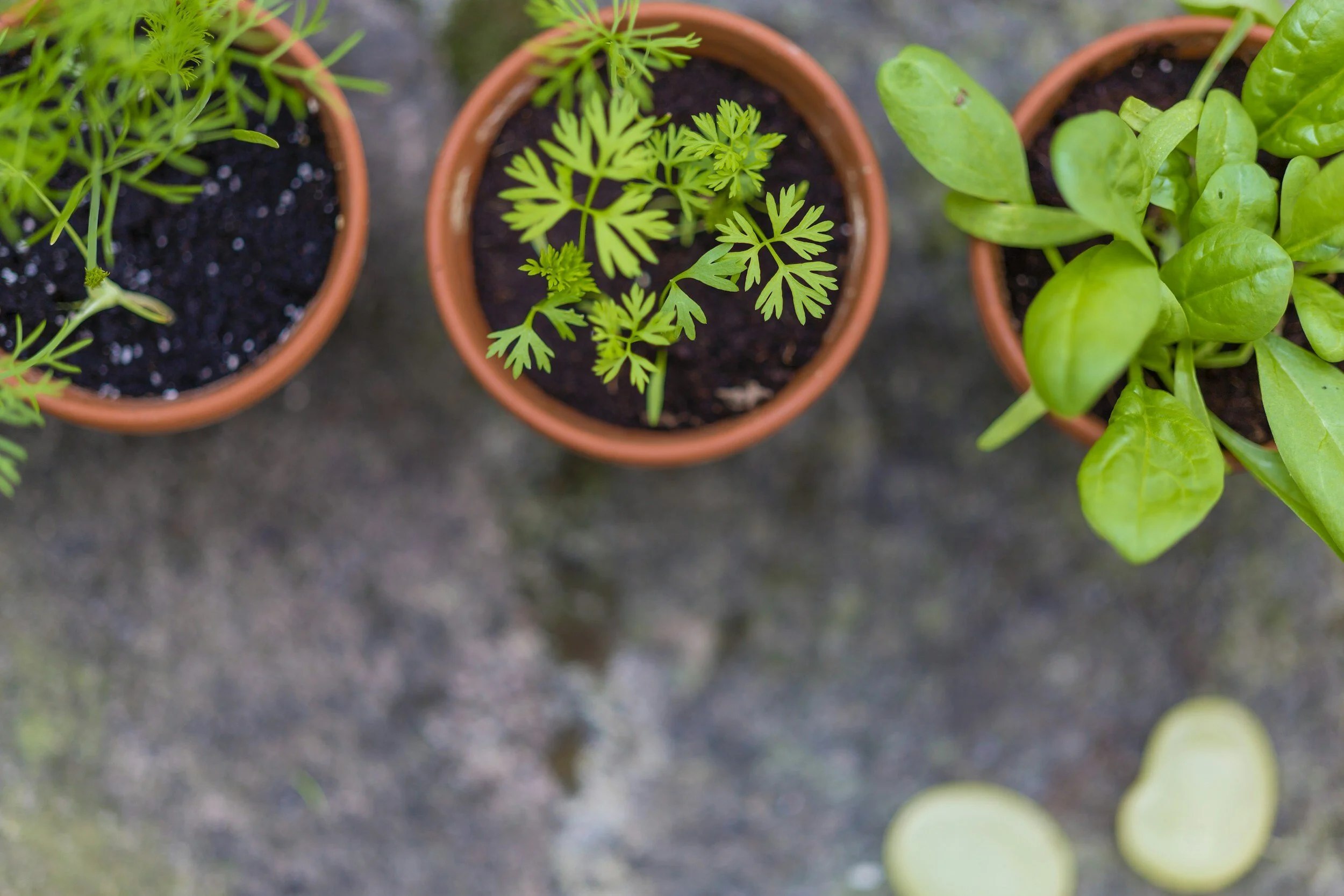
Tom Jur @unsplash
Nitrogen encourages vegetative growth. In the early stages of a plant’s life, it’s an important component for leafy growth. However, when plants receive too much of it, they may produce an abundance of large, green leaves and very few flowers and fruit.
This is especially the case with fruiting vegetables like tomatoes, peppers, squash, cucumbers and eggplants. A heavily fertilized tomato plant, for example, can become enormous while producing lots of green leaves and a few tomatoes.
Before adding fertilizer, consider having your soil tested, particularly if you garden in established beds that receive compost or other amendments every year. A soil testing kit is enough in most cases to give you a rough idea of your soil’s needs and deficiencies. Avoid routinely adding high-nitrogen fertilizers simply because plants are not producing. If excess nitrogen is already the problem, adding more will only make matters worse.
Speaking of worse, an abundance of nitrogen also attracts herbivore insects like aphids and caterpillars!
2. Your Garden Is Not Getting Enough Sun
Vegetable plants can sometimes tolerate lower light levels well enough to remain green and attractive, but that doesn’t mean they’re receiving enough sunlight to produce a good harvest.
Most fruiting vegetables need at least six to eight hours of direct sunlight each day. Tomatoes, peppers, cucumbers, melons and squash are particularly dependent on adequate sunlight and heat.
Leafy greens and some root crops are generally more tolerant of partial shade.
Pay attention to how sunlight changes across your garden during the growing season. A simple sunlight tracking chart can help you understand which areas of your garden get sun, and for how long. It’s more accurate than simply trying to observe on your own, especially since sunlight patterns are changing throughout the growing season. A bed that receives plenty of sun in early spring may become increasingly shaded once nearby trees leaf out or taller crops mature.
If sunlight is limited, reserve your brightest spaces for fruiting crops and grow more shade-tolerant vegetables in areas receiving fewer hours of direct sun.
3. Flowers Are Not Being Pollinated
Sometimes plants flower abundantly but still fail to produce fruit. When that happens, pollination may be the missing piece.
Cucumbers, squash and melons depend heavily on pollinators to transfer pollen between flowers. Poor pollination can result in few fruits, misshapen fruits or tiny fruits that begin developing and then shrivel.
You can encourage pollinators by growing flowering plants near your vegetable garden and providing blooms throughout the growing season. Planting with native plants are especially effective for getting helpful pollinators to make your garden their permanent home. Avoid spraying broad-spectrum insecticides on flowering plants, particularly while bees and other pollinators are active. Even neem oil can cause harm to pollinators like bees, so if you must use it, spray in the evening when pollinators have finished their work for the day.
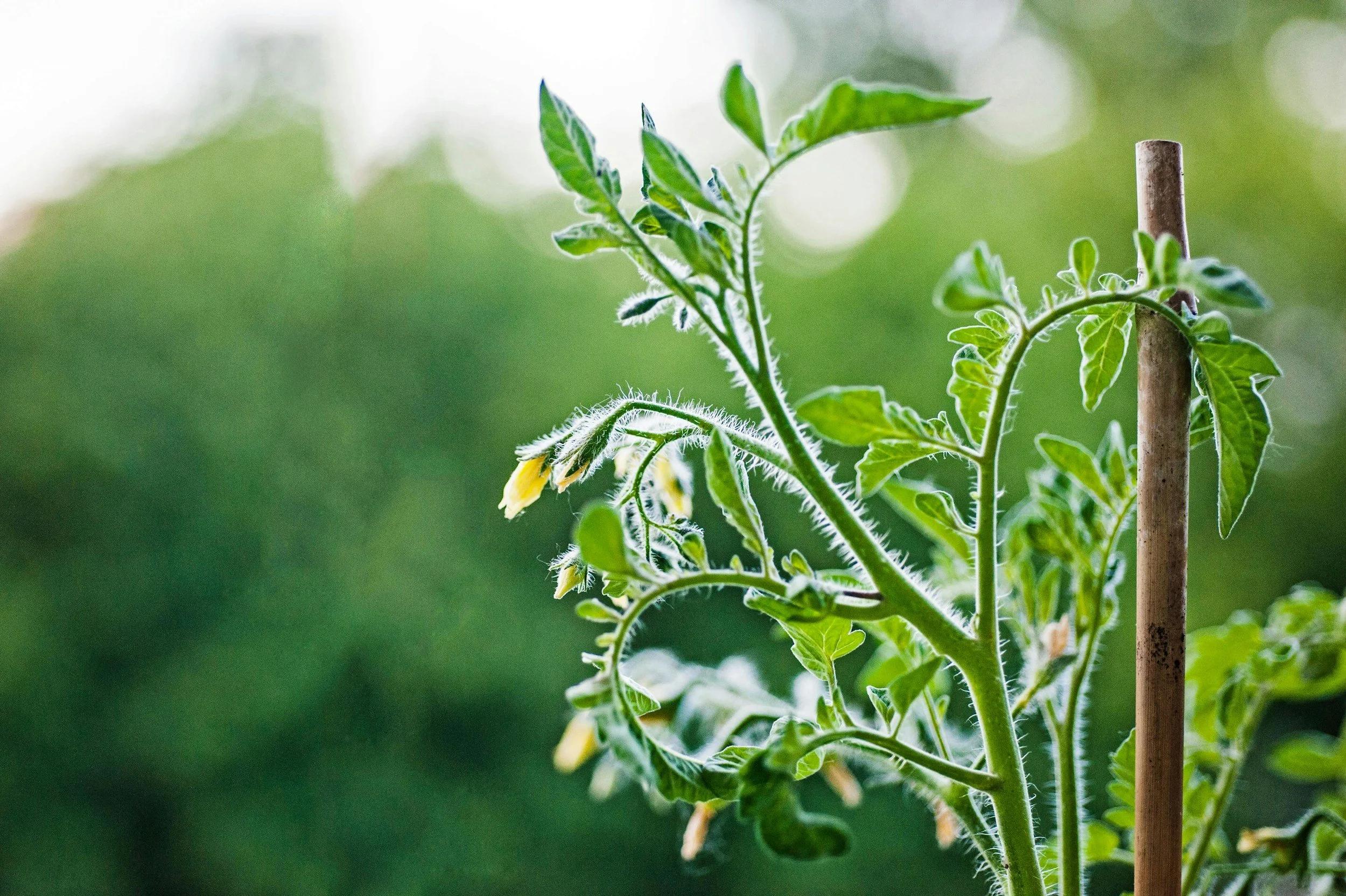
Being Organic in EU @unsplash
If pollinators are scarce or you use mesh netting to keep insects off your plants, you can hand pollinate. It’s a relatively easy process: use a small artist’s paintbrush to gather pollen from inside the male flowers (which are usually on long thin stems) and distribute it on the female parts inside of the female flowers. Female flowers usually sit on top of miniature versions of the fruit or vegetable you’re growing.
If you only see male flowers, just be patient. Early in the season, you may see numerous flowers without fruit because the plant is initially producing mostly male flowers. The females may take a while, but they’ll eventually come out!
4. Temperatures Are Interfering With Fruit Set
Plants can look perfectly healthy while environmental conditions interfere with reproduction.
Tomatoes are a good example here. When daytime or nighttime temperatures become too high, pollen viability can decline and flowers may drop without setting fruit. Peppers, beans and other vegetables can also experience reduced fruit set during periods of extreme heat.
Cold temperatures can create similar problems earlier in the season.
This means that a temporary decline in production during a heat wave does not necessarily indicate that anything is wrong with your plants.
You can’t control the weather, but you can reduce plant stress. Maintain consistent soil moisture, use mulch to moderate soil temperatures and avoid aggressively fertilizing stressed plants. In extremely hot climates, strategically placed shade cloth can also help protect some crops from intense afternoon sun.
Once temperatures become more favorable, healthy plants may begin setting fruit again.
5. Your Plants Are Too Crowded
It is easy to underestimate how large vegetable plants will become.
Seedlings that look appropriately spaced in June may be competing heavily with one another by August. Crowding limits airflow and can increase competition for sunlight, water and nutrients.
It can also make it more difficult for pollinators to reach flowers and for you to spot developing pest or disease problems.
Follow recommended spacing guidelines when planting and use vertical space when appropriate. Cucumbers, pole beans and some squash varieties can be trellised, freeing valuable growing space while improving airflow.
If your garden is already overcrowded, selective pruning or removing weak plants may help the remaining plants perform better.
6. Watering Is Inconsistent
Plants do not have to wilt dramatically to experience water stress. Repeated cycles of very dry and very wet soil can interfere with flowering, fruit development and nutrient uptake. In tomatoes, inconsistent moisture is also associated with problems such as cracking and blossom-end rot.
The goal is not necessarily to water every day. Instead, aim to keep moisture reasonably consistent within the root zone.
Water deeply rather than frequently applying small amounts to the soil surface. Mulching with materials such as straw, shredded leaves or other appropriate organic mulches can reduce evaporation and help maintain more stable moisture levels.
Drip irrigation and soaker hoses can make consistent watering easier while keeping foliage relatively dry.
7. You Are Growing the Wrong Variety for Your Conditions
Sometimes poor production has less to do with gardening technique and more to do with plant selection.
A vegetable variety that thrives in one region may struggle in another because of differences in temperature, humidity, day length or length of the growing season.
This is one reason locally recommended varieties can be so valuable. Your state Agricultural Cooperative Extension service is a useful source of information about varieties suited to your climate.
Days to maturity matter as well. If you have a relatively short growing window, choosing a 90-day variety instead of a similar 60-day cultivar could substantially affect your harvest.
Container gardeners should also look for compact or container-friendly varieties rather than assuming every cultivar will perform equally well in limited soil volume.
8. You Are Missing the Flowers or Harvests
Occasionally, the problem is not that a plant is failing to produce. It is that we are missing the evidence.
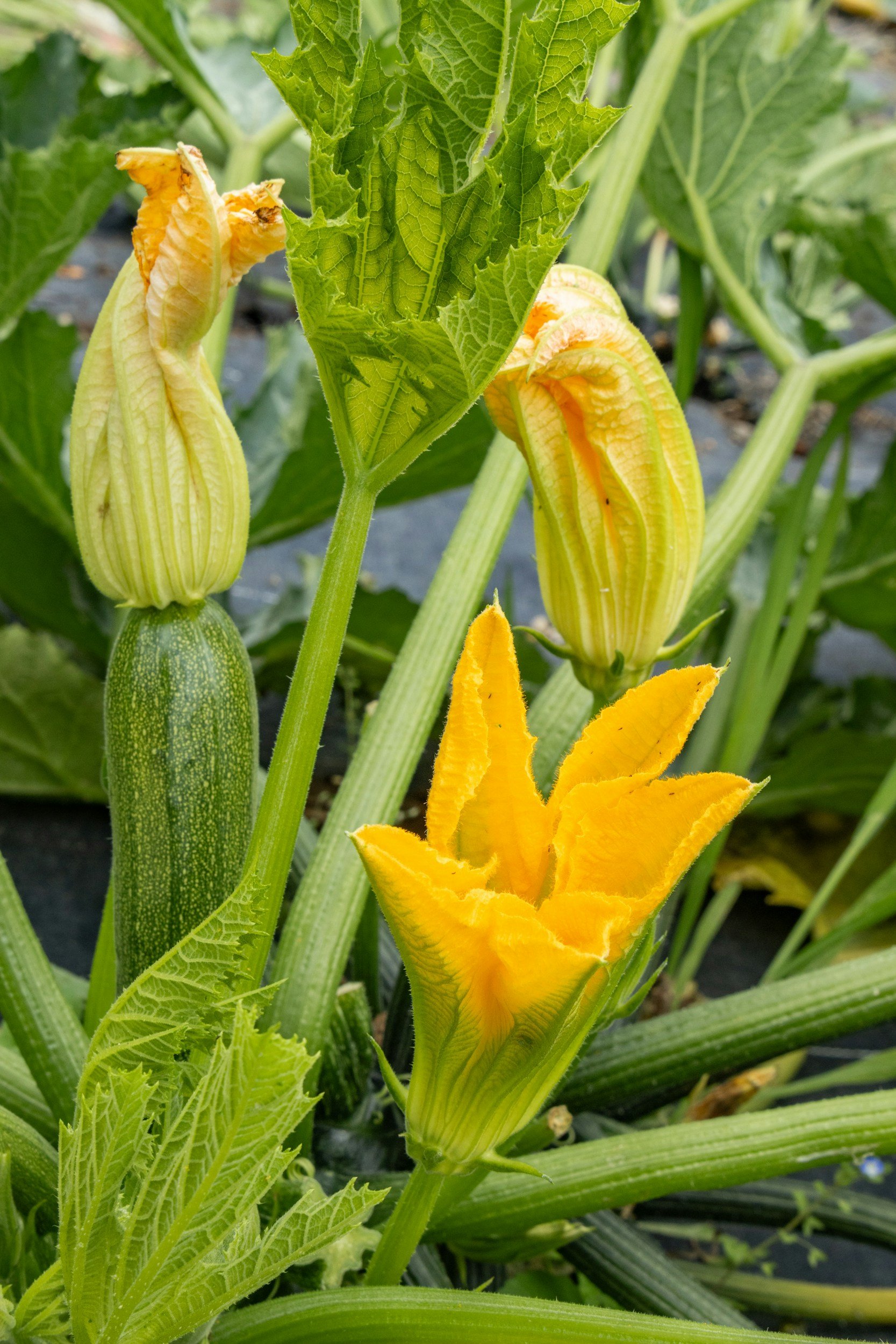
László Velkei @unsplash
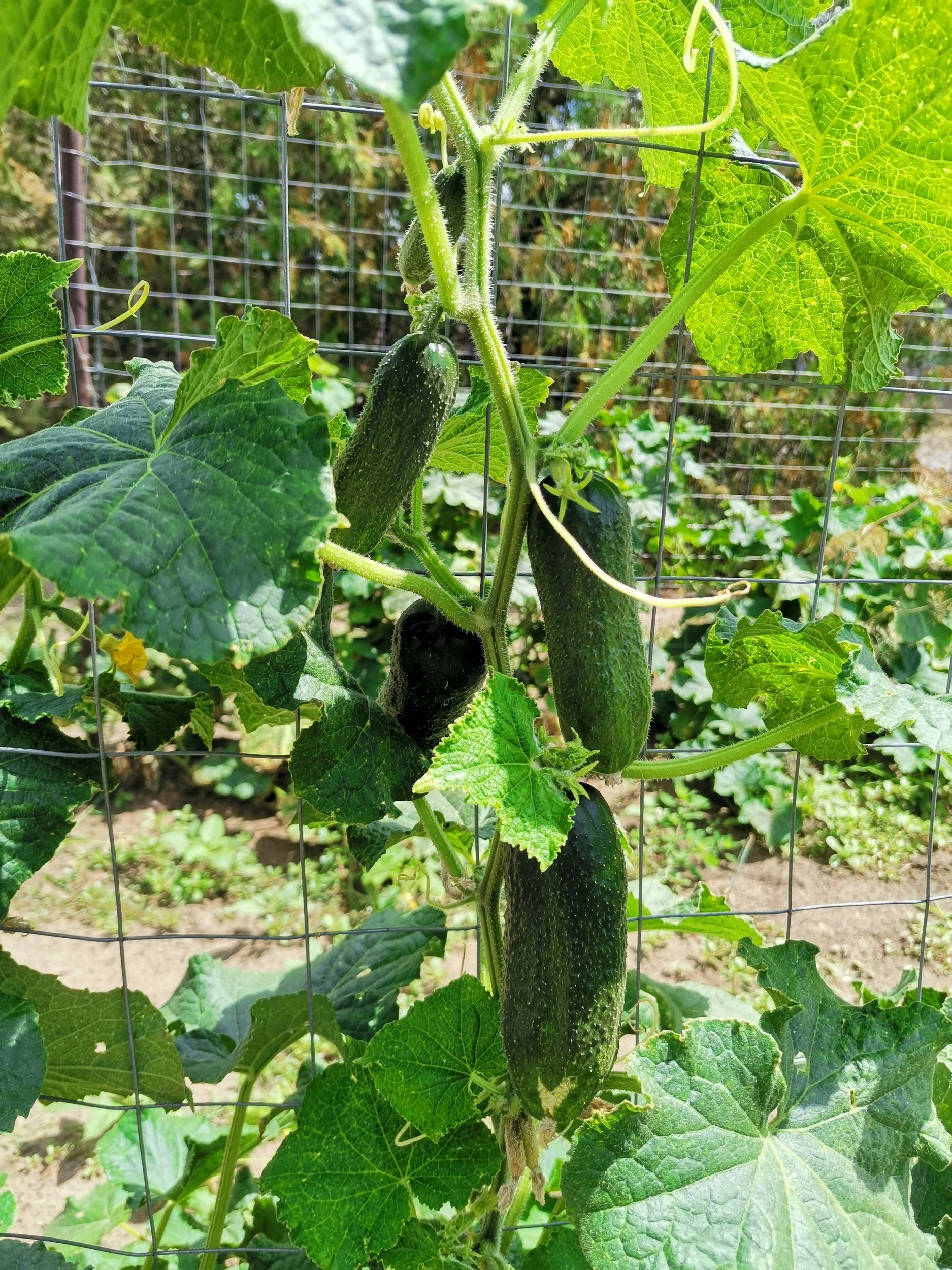
Beans and cucumbers can hide surprisingly well beneath foliage. Zucchini can go from barely noticeable to enormous in a matter of days. Some vegetables also produce better when harvested frequently.
Regular harvesting is particularly important for crops such as beans, cucumbers, summer squash and okra. Allowing mature fruits or seed pods to remain on the plant can signal that reproduction has been completed, potentially slowing the production of additional flowers and fruits.
During peak season, inspect productive plants every day or two. Look beneath leaves and along the interior of the plant rather than checking only what is immediately visible.
Look for the Pattern Before Reaching for Fertilizer
When a healthy-looking garden is not producing, resist the urge to immediately fertilize, spray or otherwise "fix" it. Instead, look for clues.
Lots of foliage but few flowers may point toward excess nitrogen or inadequate sunlight. Plenty of flowers but little fruit may suggest poor pollination or unfavorable temperatures. Small harvests across an overcrowded bed could indicate competition for light, moisture or nutrients.
And sometimes the answer is simply patience. Plants devote different portions of their life cycle to root development, vegetative growth, flowering and fruit production. A healthy plant that is not producing today may simply not be ready yet.
The most productive gardens are not necessarily the ones receiving the most inputs. They are the ones in which gardeners learn to recognize what their plants are telling them. Your plants are communicating with you all the time. Learn how to recognize their signals and your garden will be happier and more abundant.