


A Calm Way to Ease Post-Meal Discomfort with Herbal Tea for Indigestion
/Eating should leave you feeling satisfied and comfortable, but that isn’t always the case. For many people, meals can sometimes be followed by heaviness, bloating, or a lingering sense that digestion hasn’t quite settled. Indigestion can appear occasionally or become something you start to expect after certain meals. Over time, this can make eating feel less enjoyable and more uncertain.
Rather than relying on quick fixes, gentle daily habits often provide more lasting support. Small changes in how you approach digestion can help your body return to a more comfortable rhythm. This is where herbal tea for indigestion can fit naturally into your routine, offering a steady and calming way to support digestion after meals.
When Digestion Feels Slower Than Usual
Indigestion is often described as a feeling of discomfort or fullness in the upper abdomen, especially after eating. It doesn’t always have a single cause. In many cases, it’s influenced by everyday habits—how quickly you eat, the types of food you choose, and how your body responds to them.
For example, eating too quickly can make it harder for your body to properly break down food, leading to a heavy or unsettled feeling. Larger or richer meals can also place more demand on your digestive system.
Drew Jemmett @unsplash
Stress is another common factor. Because your digestive system is closely connected to your nervous system, tension can slow down digestion and affect how efficiently your body processes food.
These patterns can build gradually, which is why many people begin to include supportive habits like herbal tea for indigestion to help maintain a more balanced digestive rhythm over time.
Signs Your Stomach May Need Support
Indigestion can show up in subtle but noticeable ways, especially after meals:
A heavy or overly full feeling – You may feel weighed down after eating, even if the portion wasn’t particularly large.
Bloating or tightness in the stomach – Your abdomen may feel swollen, stretched, or uncomfortable as digestion slows.
Food feels like it sits longer than expected – Digestion may feel delayed, as if your body is taking longer to process meals.
Mild discomfort or pressure after eating – You might notice a dull ache or a sense of pressure in the upper abdomen.
Gas or belching – You may experience increased gas, which can add to feelings of fullness or discomfort.
Reduced appetite due to repeated discomfort – Ongoing digestive discomfort may make you less inclined to eat or enjoy meals.
These signs often suggest that your digestive system may benefit from a gentler and more consistent approach.
Why Herbal Tea Can Make a Difference
Herbal tea supports digestion in a way that feels natural and gradual.
Certain herbs are traditionally used to encourage smoother digestion, helping the stomach feel more at ease after meals. Instead of forcing the process, they support your body’s ability to regulate itself.
Warm liquids also play an important role. Drinking herbal tea after eating can help your digestive system relax, which often makes it easier for your body to process food.
Another key factor is the pause it creates. Taking time to sit and drink tea gives your body a moment to shift out of a rushed state and into a more relaxed one.
This is why herbal tea for indigestion is often used as part of a routine rather than a one-time solution.
Herbs Often Used for Digestive Comfort
Several herbs are commonly used when supporting digestion after meals:
Peppermint – helps relax the digestive tract and reduce bloating
Ginger – supports digestion and eases heaviness
Fennel – traditionally used to reduce gas and improve digestive flow
Chamomile – supports both digestion and relaxation
Dandelion Root – often used to support digestive function and balance
These herbs are often combined to create blends that support overall digestive comfort.
A Practical Way to Choose Herbal Teas
When it comes to choosing a tea, simplicity tends to work best.
Anne Nygård @unsplash
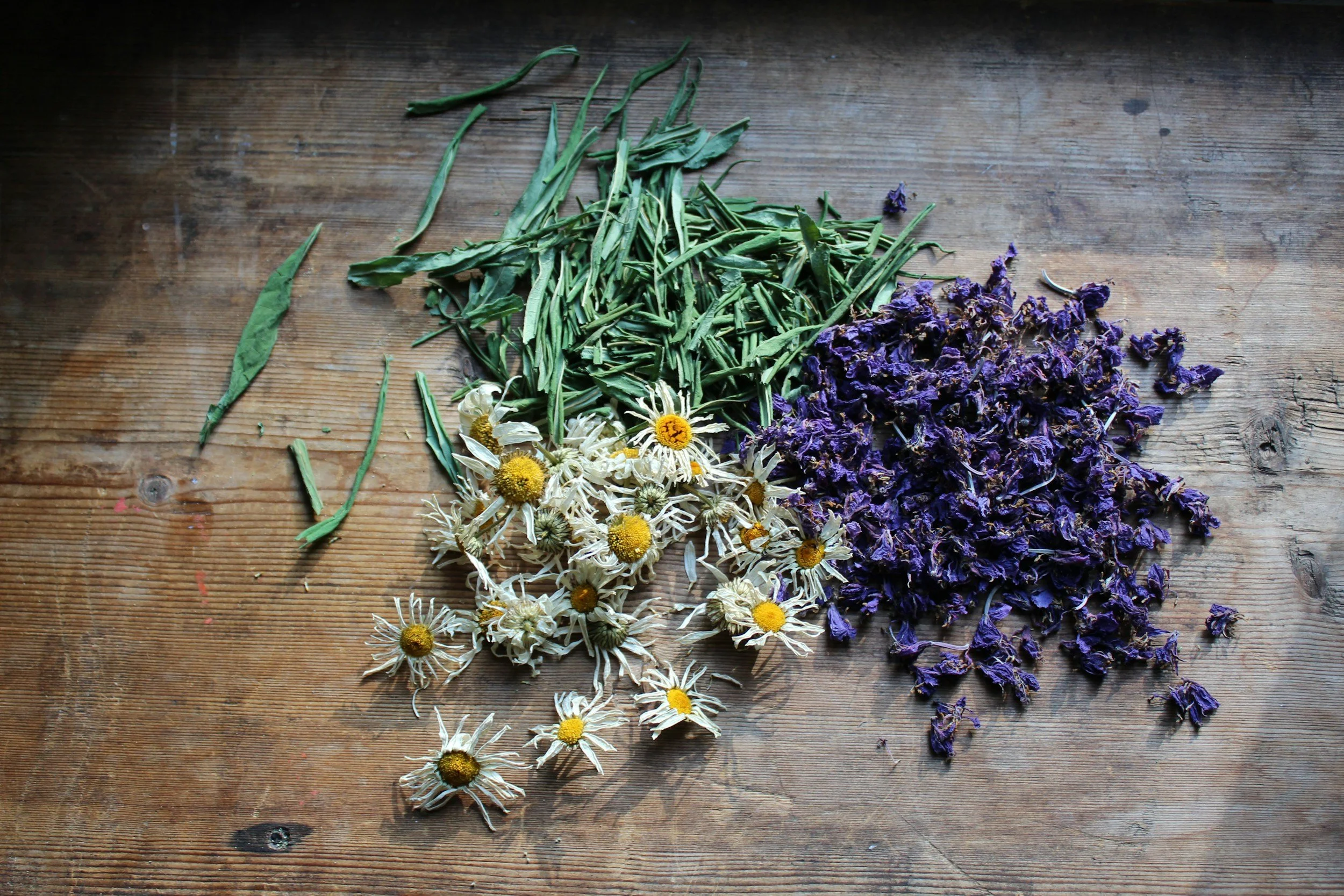
Blends designed for digestion often combine herbs that support both movement and comfort. This makes it easier to stay consistent without needing to select individual ingredients. Some people use these blends after heavier meals, while others include them as part of their daily routine.
Exploring different options can help you find what works best for your body, especially when becoming familiar with broader plant-based herbal teas, where herbal blends are used to support everyday digestion.
How to Use Herbal Tea After Meals
Timing can make a noticeable difference when using herbal tea for indigestion. Drinking tea shortly after meals allows your body to begin digestion with gentle support. This is often when discomfort is most noticeable, so it can be the most helpful time to introduce tea.
You don’t need large amounts. A single cup is often enough to support the process.
Taking time to drink slowly also matters. When you slow down, your body can focus more effectively on digestion rather than staying in a rushed or distracted state.
Over time, this creates a routine that your body recognises, helping digestion feel more predictable and comfortable.
Small Habits That Improve Digestion
Herbal tea becomes even more effective when combined with simple daily habits.
Eating slowly and chewing thoroughly helps your body break down food more efficiently. Avoiding overly large meals, especially late in the day, can also reduce strain on your digestive system.

Nathan Dumlao@unsplash
Staying hydrated throughout the day supports overall digestion, while light movement—such as walking after meals—can help reduce heaviness.
Managing stress is just as important. When your body is more relaxed, digestion tends to function more smoothly.
These small adjustments, when done consistently, can make a meaningful difference over time.
When to Seek Additional Support
While occasional indigestion is common, it’s important to pay attention if it becomes frequent or more uncomfortable. Persistent symptoms may indicate that your digestive system needs more personalised support.
This is especially important if you are taking medications, have existing health conditions, or are pregnant or breastfeeding. A qualified practitioner can help guide you safely.
Herbal tea can support your routine, but it works best alongside proper care when needed.
About the Author:
Amir Kamkar is the herbalist and founder of Herbal Tinkerer, where he creates handcrafted herbal teas, tonics and personalised blends inspired by traditional herbalism. He is passionate about helping people explore practical, natural ways to support everyday health and wellbeing.
You may also be interested in…





Eating should leave you feeling satisfied and comfortable, but that isn’t always the case. For many people, meals can sometimes be followed by heaviness, bloating, or a lingering sense that digestion hasn’t quite settled. Indigestion can appear occasionally or become something you start to expect after certain meals. Over time, this can make eating feel less enjoyable and more uncertain.