


How Sustainable Yard Care Helps Prevent Common Pest Problems
/A healthy yard is about more than attractive plants and colorful flowers. It is an ecosystem where soil, plants, insects, birds, and other wildlife all play a role. When those parts work together, gardens often become easier to maintain and less likely to experience serious pest problems.
Many homeowners think pest prevention begins after insects appear. In reality, the best results usually come from creating conditions that support healthy plants while making the landscape less attractive to unwanted pests. Small improvements made throughout the year can reduce future problems without disrupting the natural balance of your outdoor space.
Start With Healthy Soil
Alicia Christin Gerald @unsplash
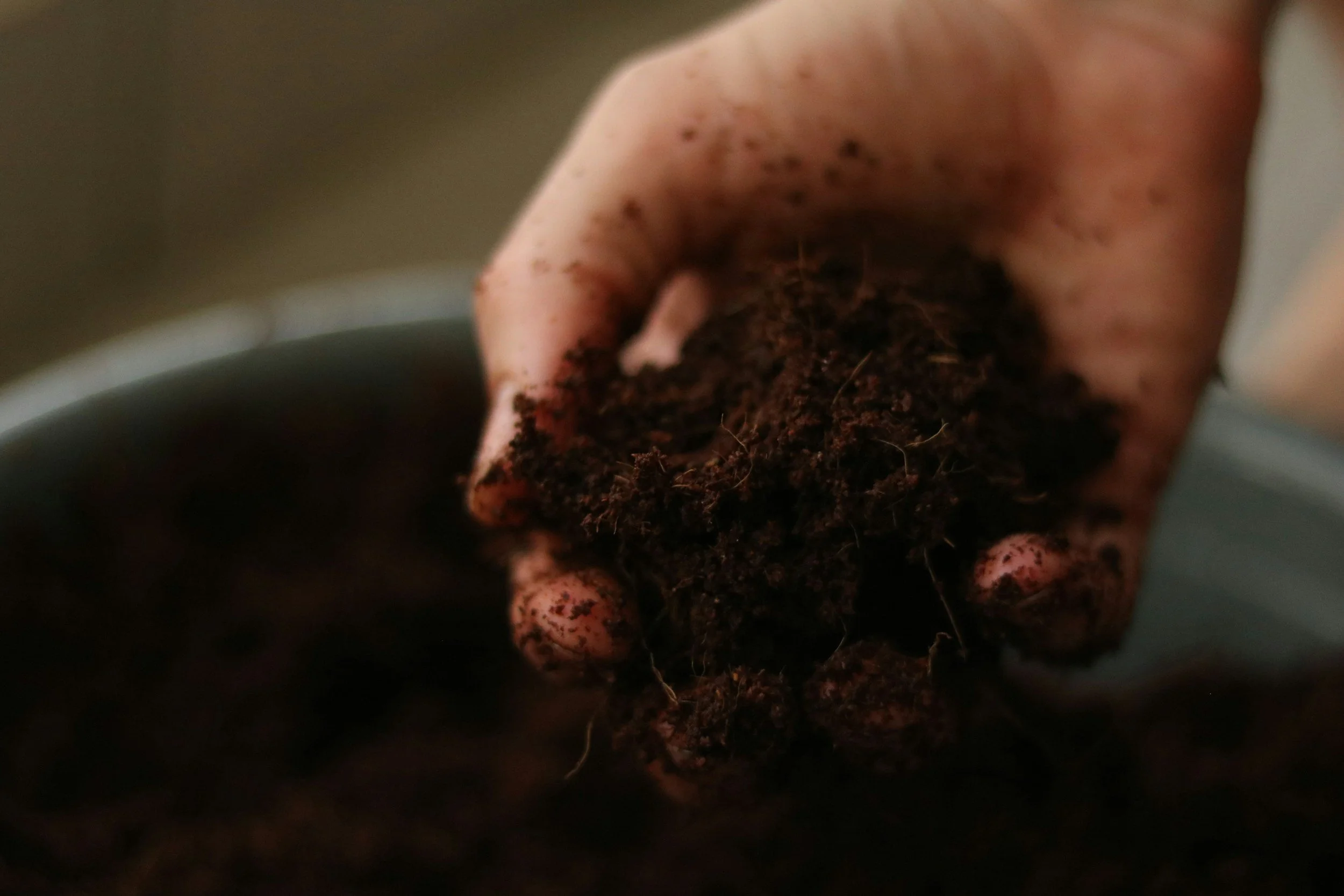
Healthy plants begin with healthy soil. Rich soil supports stronger root systems, improves water retention, and encourages beneficial organisms that contribute to long-term garden health. Plants growing in suitable conditions are generally better prepared to handle seasonal stress than those already weakened by poor soil.
Adding compost each year is one of the simplest ways to improve soil structure naturally. Organic mulch also helps regulate soil temperature, reduces evaporation during warm weather, and limits weed growth that competes for moisture and nutrients.
Healthy soil should not be viewed as a quick solution. It is a long-term investment that supports every other sustainable gardening practice.
Reduce Conditions That Attract Pests
Many common pests are attracted by the environment rather than the plants themselves. Standing water, dense debris, overflowing compost bins, and neglected corners all provide food, moisture, or shelter.
Walk around your property regularly and look for areas where water collects after rain. Empty unused containers, clear clogged gutters, and repair irrigation leaks before they create ongoing moisture problems. Remove fallen fruit, clean up garden waste, and avoid storing piles of wood directly against the house.
Sometimes, however, a problem extends beyond routine maintenance. If pest activity continues around your property despite improving outdoor conditions, homeowners can contact a reputable pest prevention company to identify the source while continuing to follow sustainable yard care practices.
Water Plants With Purpose
Water is essential, but more is not always better.
Deep watering encourages roots to grow farther into the soil, helping plants become more resilient during dry periods. Frequent shallow watering can leave roots closer to the surface, where they depend on constant moisture.
Watering early in the morning allows leaves to dry during the day while reducing unnecessary evaporation. It is also worth checking irrigation systems regularly because broken sprinkler heads and slow leaks often waste water without improving plant health.
The U.S. Environmental Protection Agency explains that Integrated Pest Management focuses on preventing pest problems by reducing access to food, water, and shelter before considering targeted treatment. The agency notes that these principles can also be applied in home gardens, making prevention the foundation of long-term pest management.
Plant for Diversity
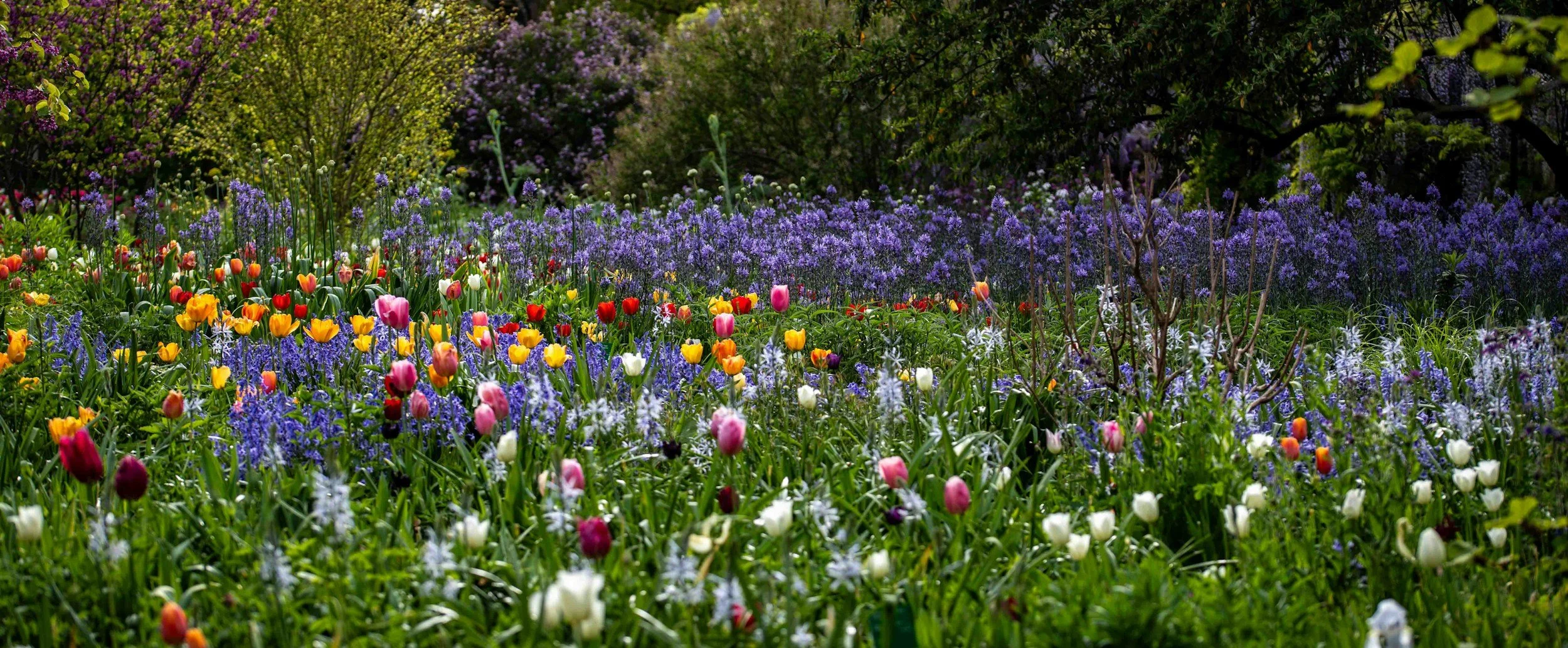
A landscape filled with only one type of plant can become more vulnerable if a particular pest or disease appears. A diverse garden creates a more balanced environment while supporting pollinators and beneficial insects.
Mix flowering perennials, herbs, shrubs, vegetables, and native plants whenever possible. Different bloom periods provide nectar throughout the growing season, encouraging pollinators and other helpful insects to remain in the area.
Bernd 📷 Dittrich @unsplash
Diversity also creates visual interest. Instead of relying on one dominant species, the garden develops layers of color, texture, and seasonal change that benefit both wildlife and the people who enjoy the space.
Welcome Beneficial Insects
Not every insect belongs on the list of garden problems.
Lady beetles, lacewings, ground beetles, and many native insects feed on pests that damage vegetables and ornamental plants. Pollinators also contribute directly to fruit and vegetable production while supporting healthy ecosystems.
Avoid trying to eliminate every insect you see. A garden that supports beneficial species often becomes more stable over time because natural predators help keep pest populations from increasing too quickly.
Creating habitat with flowering plants and avoiding unnecessary disturbance gives these helpful insects more opportunities to do what they naturally do.
Practice Thoughtful Garden Cleanup
A sustainable garden does not need to look perfectly spotless every day, but it should receive regular attention.
Remove diseased plants, spoiled vegetables, and excessive debris that accumulates around buildings or raised beds. Keep compost piles managed properly and avoid leaving garden waste in damp piles for long periods.
At the same time, there is no need to remove every leaf or every natural feature. Organic mulch and healthy planting beds continue supporting soil life while protecting roots from temperature changes.
The goal is thoughtful maintenance rather than constant cleanup.
Follow a Simple Seasonal Routine
Gardening becomes much easier when routine tasks are spread throughout the year instead of waiting until problems appear.

These habits require only a small investment of time, but together they create a healthier landscape that is easier to manage season after season.
Accept That Nature Needs Balance
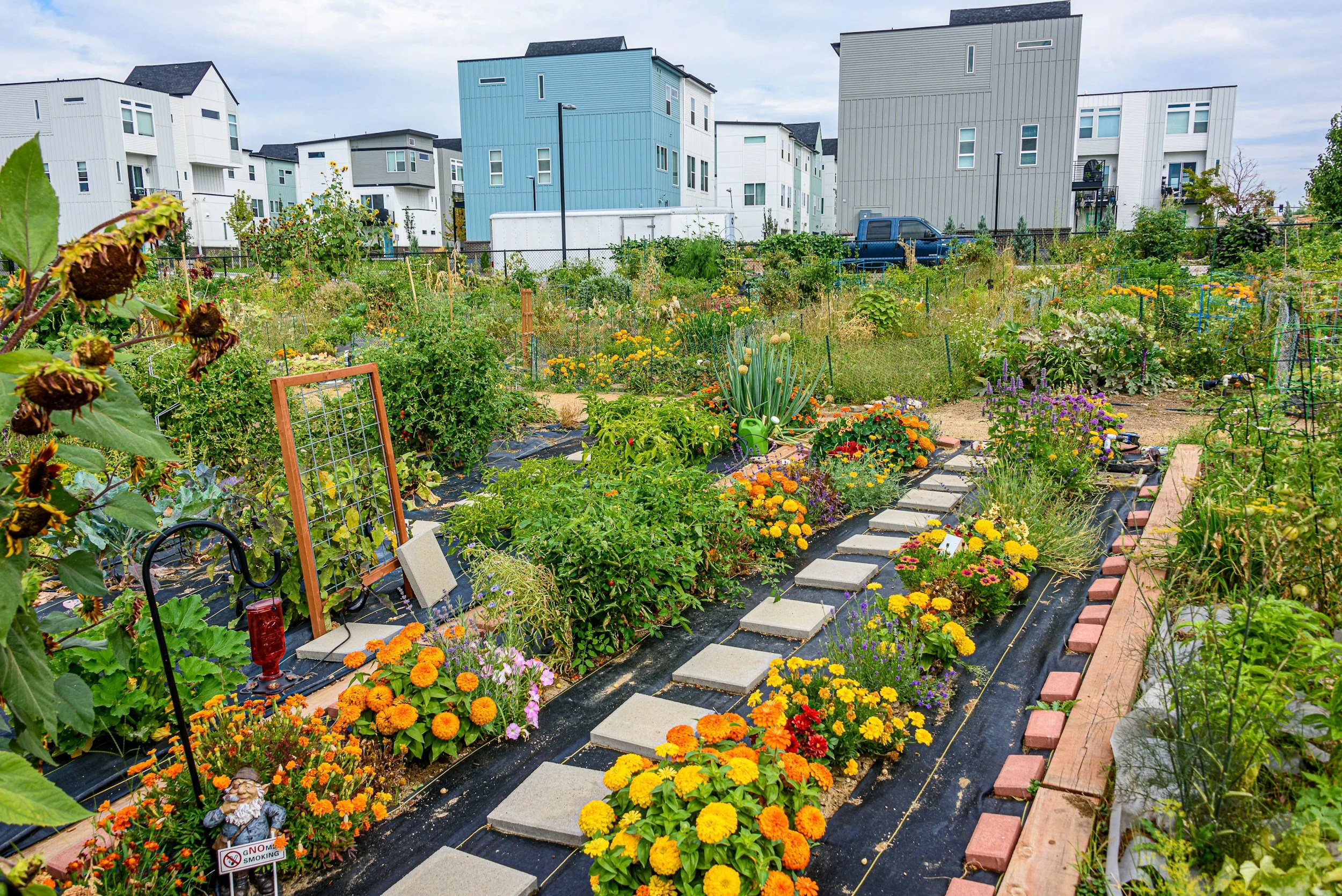
One of the biggest changes many gardeners make is learning that a successful garden does not have to be completely free of insects.
A few holes in leaves or occasional insect activity are often part of a healthy outdoor environment. Reacting immediately to every small problem can disrupt beneficial insects that help maintain balance naturally.
Steve Adams @unsplash
Instead, observe your plants regularly. Notice whether damage is increasing, whether beneficial insects are present, and whether plants continue growing well. Careful observation often leads to better decisions than treating every issue the moment it appears.
Sustainable Habits Create Stronger Gardens
Healthy gardens develop through consistent care rather than quick fixes. Healthy soil, efficient watering, diverse plantings, routine inspections, and thoughtful maintenance all contribute to a landscape that naturally experiences fewer serious pest problems.
No garden will ever be completely free of insects, nor should it be. The goal is to create a balanced ecosystem: an environment where plants thrive, beneficial wildlife has a place to live, and unwanted pests are less likely to dominate.
By focusing on prevention instead of constant reaction, homeowners create outdoor spaces that are healthier, more resilient, and better for the environment. Those small decisions made throughout the year often produce the biggest rewards for both the garden and the home.
About the Author:
Jane Alderman is a home and garden writer who focuses on sustainable landscaping practices and eco-friendly pest management. She enjoys helping homeowners create healthier outdoor spaces through simple, natural solutions.