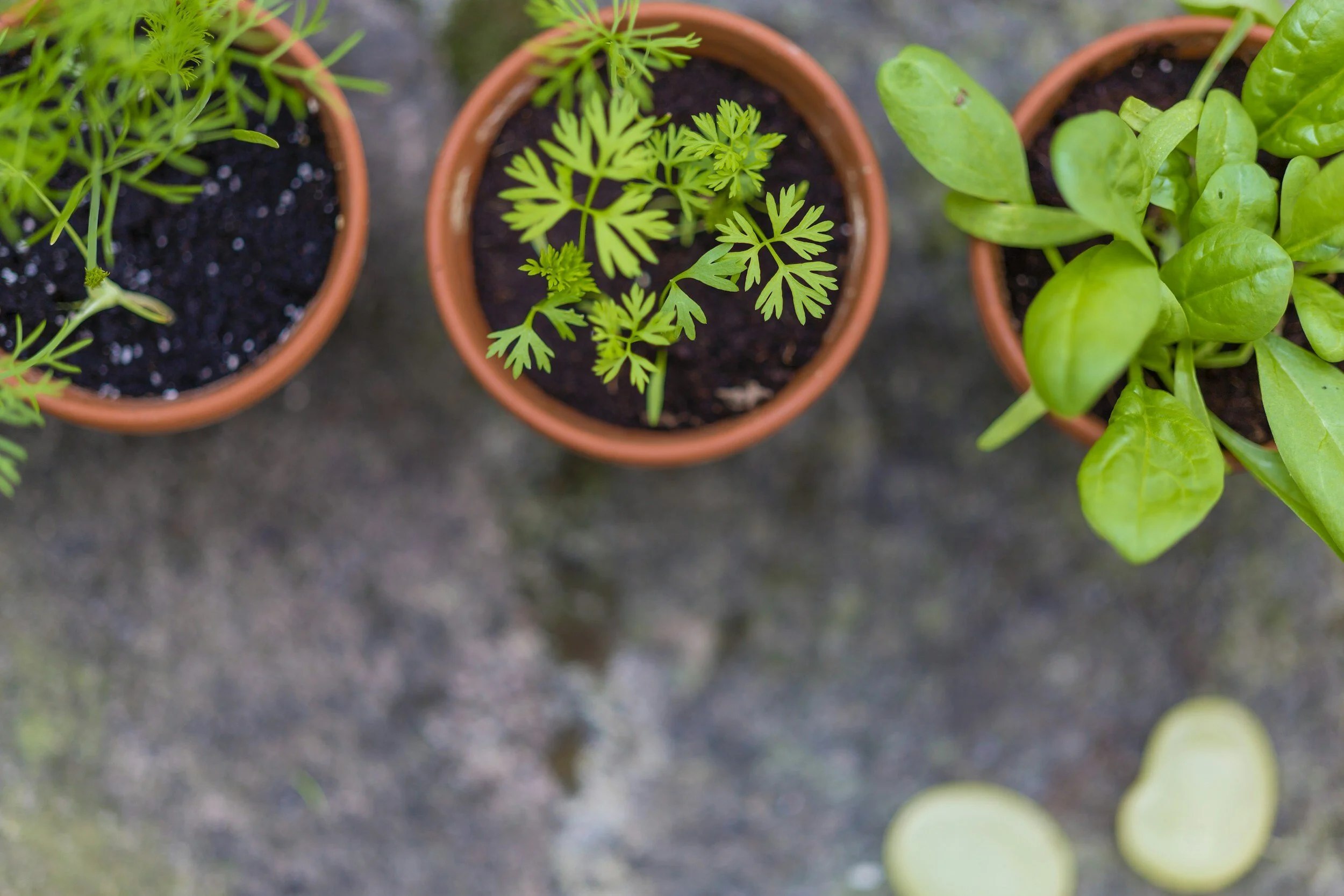



How a Healthy Garden Naturally Reduces Common Pest Problems
/A healthy garden is rarely an insect-free garden. Bees move between flowers. Spiders build webs in quiet corners. Beetles crawl through mulch, and caterpillars occasionally leave holes in leaves. Some of that activity is simply part of growing plants outdoors.
Problems start when one species becomes numerous enough to damage plants, move toward the house, or disrupt the balance of the garden. The instinctive response is often to reach for something that kills the pest. A better first question is simpler: what conditions are allowing the problem to grow?
Natural garden pest prevention works best when the garden itself becomes part of the solution. Healthy plants, thoughtful watering, diverse habitat, beneficial insects, and regular observation can reduce many pest pressures before they require a stronger response.
Yunus Taha YILMAZ @unsplash
Give Plants a Healthy Start
Plants already struggling with poor drainage, inadequate light, overcrowding, or inconsistent watering have less room for additional stress. That does not mean a healthy tomato plant becomes immune to aphids or a vigorous squash vine cannot attract beetles. It means good growing conditions give plants a better foundation for handling the ordinary pressures of a garden.
Start with the basics. Match plants to the amount of sunlight the site receives. Improve soil where necessary rather than relying on fertilizer to solve every problem. Leave enough room between plants for mature growth and airflow. Water according to the needs of the plant instead of automatically turning on irrigation every day.
Native plants can also be useful additions when they suit the site. Plants adapted to local climate and soil conditions often fit more comfortably into the landscape and can support insects and other wildlife already present in the region.
Good gardening can prevent many routine problems, but it cannot solve an established infestation inside or around a home. When pest activity persists beyond what normal landscape management can address, homeowners may choose to consult a pest solutions professional while continuing to correct outdoor conditions that may be contributing to the issue.
Stop Creating Easy Pest Habitat
Gardeners spend a lot of effort providing plants with water, nutrients, shelter, and organic matter. Unfortunately, some of those same resources can support unwanted pests when they collect in the wrong places.
Standing water is an obvious example. Buckets, plant saucers, clogged gutters, unused pots, and low spots can hold water long after a rainstorm. Keep the water your plants need but eliminate accidental reservoirs that serve no gardening purpose.
Food sources deserve similar attention. Pick up fallen fruit rather than leaving it to decay beneath trees. Harvest overripe vegetables. Keep compost managed and avoid leaving pet food outdoors. If trash containers sit near the garden, use secure lids and clean spills instead of allowing residue to build up.
Shelter is the third piece. Stacks of unused pots, boards on the ground, thick piles of debris, and dense vegetation beside the foundation provide cool, protected spaces that can go undisturbed for months.
A garden does not need to look sterile. It simply helps to know the difference between intentional wildlife habitat and forgotten clutter.
Learn Which Insects Are Working for You
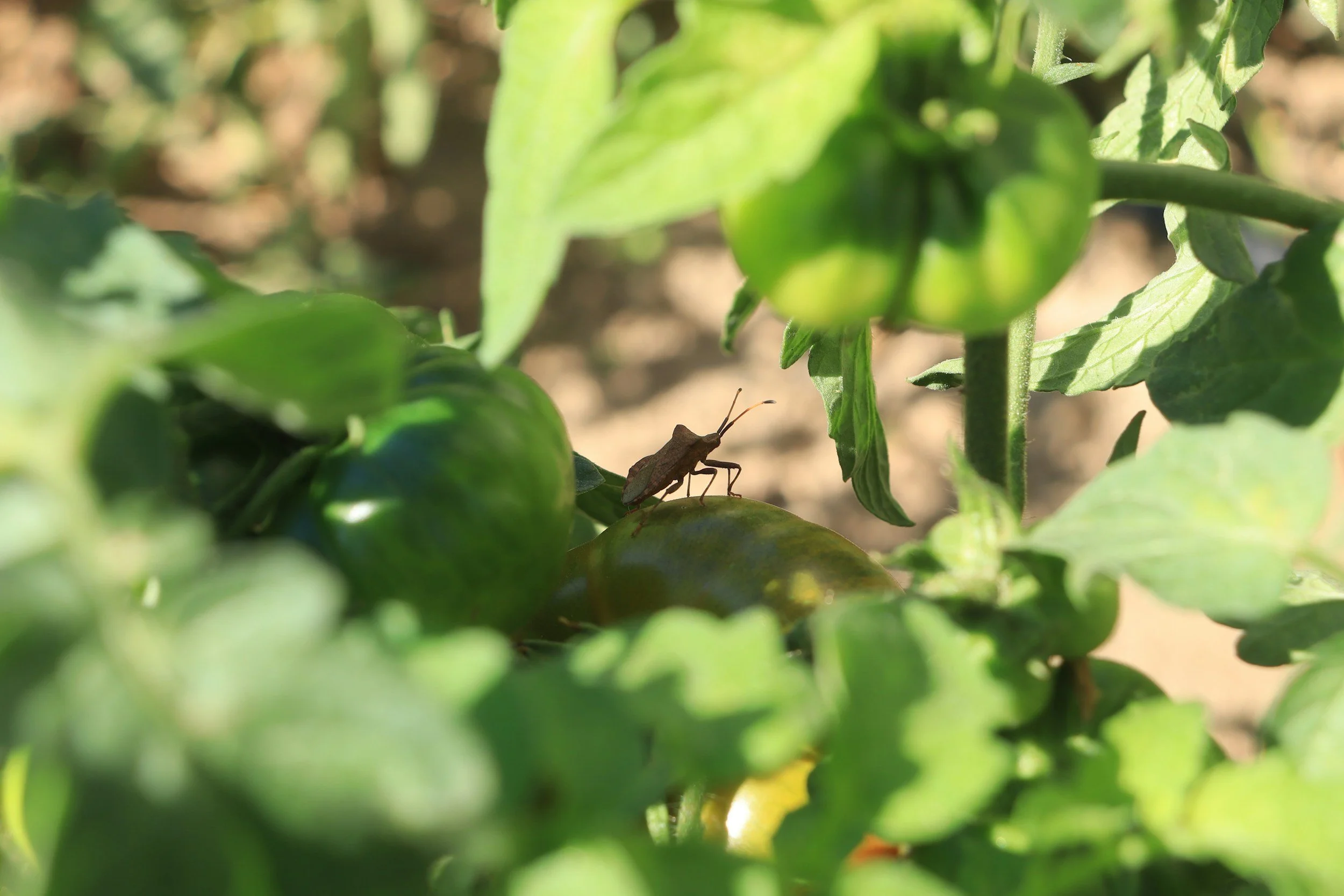
One of the most useful habits a gardener can develop is waiting a moment before deciding that an insect is harmful.
Lady beetles and their larvae eat aphids. Lacewing larvae prey on several soft-bodied garden pests. Spiders catch numerous insects, while parasitoid wasps use other insects as hosts for their young. Many wasps that look intimidating from a distance have little interest in people and spend much of their time hunting other insects.
Pollinators need room in the garden too. Bees, butterflies, moths, flies, and beetles help flowering plants reproduce. A yard designed to eliminate every insect would lose many of the organisms gardeners actually depend on.
The point is not to romanticize every bug. Some insects cause serious damage. Identification simply helps you respond to the right organism instead of treating everything with six legs as a threat.
Before reaching for a product, look closely. Check the insect's shape, where it is feeding, the type of damage present, and whether predators are already nearby.
Use Diversity Instead of Building a Plant Monoculture
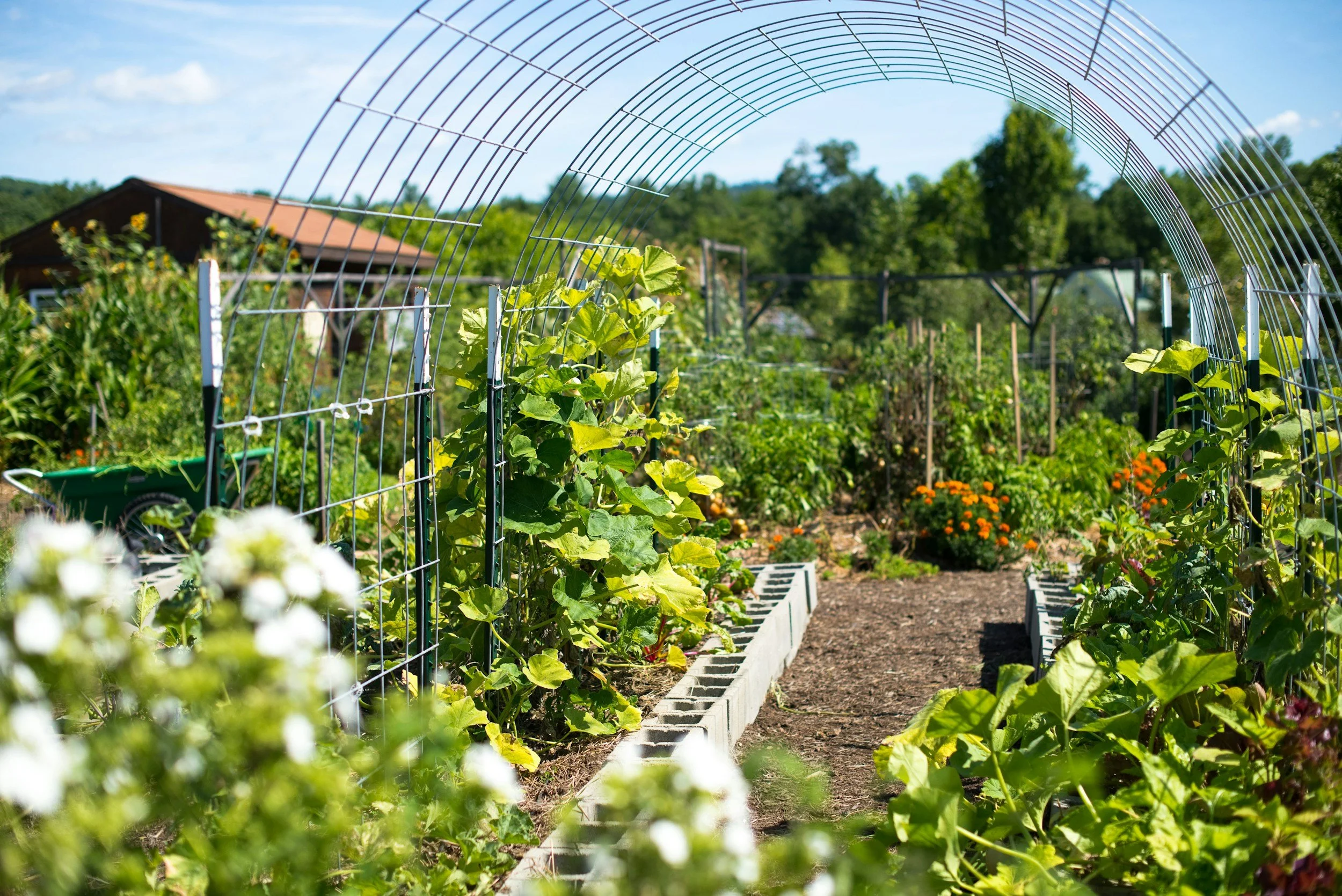
A garden filled with one crop or one type of ornamental plant may look orderly, but diversity offers ecological advantages. Different flowers, herbs, shrubs, vegetables, and ground-level plants provide a wider range of food and shelter for beneficial wildlife.
Try to include flowers with different shapes and bloom periods. Early flowers provide resources when relatively little else is blooming. Summer flowers support activity during the busiest part of the growing season. Late blooms can remain important after many other plants have finished.
You do not need to tear out an existing garden and replace everything at once. Add diversity gradually. A flowering herb allowed to bloom, a few regionally appropriate native plants, or an extra border of flowers can make the garden more varied without turning it into a major landscaping project.
The goal is not to find a magical "pest-repelling plant." Claims that one plant will keep every mosquito, beetle, or aphid away are usually too simple. Think in terms of creating a functioning habitat rather than searching for botanical force fields.
Know When a Little Damage Is Acceptable
Gardeners naturally want perfect leaves and unblemished produce. Nature rarely cooperates.
You Le @unsplash
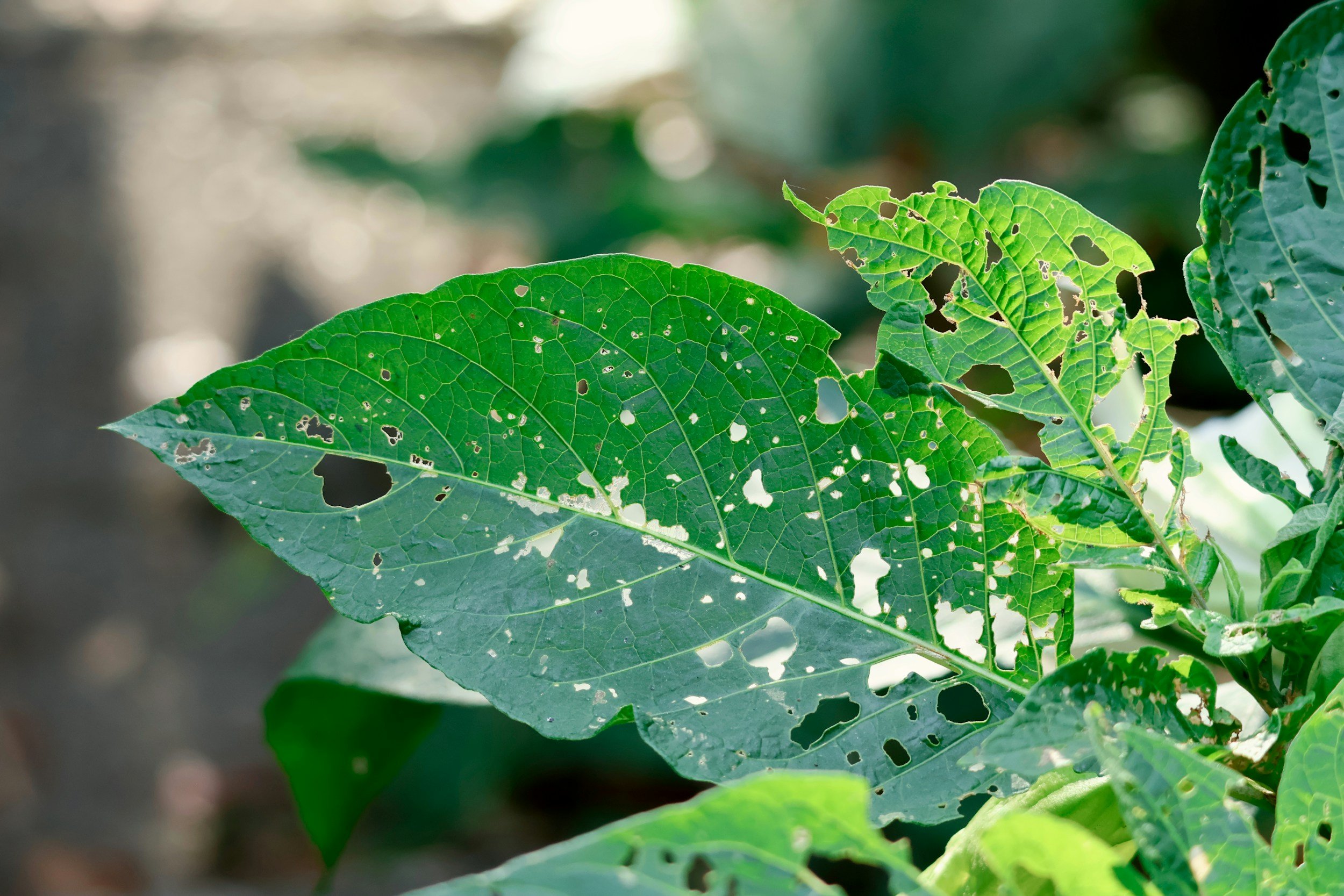
A few holes in a leaf do not necessarily mean a plant needs treatment. Some feeding damage is temporary. Some insects disappear as their life cycle progresses. Others are already being eaten by predators before their population becomes large enough to cause meaningful harm.
This is where Integrated Pest Management, or IPM, becomes useful. The U.S. Environmental Protection Agency's July 2026 IPM guidance describes a four-tiered approach built around setting action thresholds, monitoring and identifying pests, prevention, and control. Importantly, the EPA notes that seeing a single pest does not always mean control is necessary.
That idea can save gardeners a lot of unnecessary work.
Observe the plant for a few days when the situation allows it. Is damage increasing? Are new leaves healthy? Can you find eggs or larvae? Are beneficial predators present? The answers tell you far more than one chewed leaf.
Match the Solution to the Actual Problem
When intervention is justified, start with the most focused option that makes sense.
A caterpillar on one plant may be removable by hand. Aphids on a sturdy plant may sometimes be knocked away with water. Row covers can protect certain crops before pests arrive. Pruning badly infested plant material may make sense in limited situations. Correcting irrigation can change the conditions that favor other problems.
Broad treatment should not be the automatic first move.

The table is intentionally built around questions rather than automatic treatments. Identification comes before action.
Keep the Garden Clean Without Removing Every Habitat
Garden cleanup requires some judgment. Removing diseased material, rotten produce, and large accumulations of unwanted debris can prevent problems. Clearing every leaf, cutting every hollow stem, and stripping beds bare can remove habitat used by beneficial insects and other wildlife.
Aim for selective maintenance.
Keep pathways usable and remove material that is clearly creating a problem. At the same time, consider leaving appropriate plant stems, leaf litter, or undisturbed corners where they will not create moisture or pest issues beside the house.
Location matters. A small brush pile at the far edge of a larger property serves a different purpose than damp debris stacked against siding. A layer of leaves beneath trees can be useful habitat, while leaves blocking a drain need to go.
Sustainable gardening often involves deciding where natural messiness helps and where it creates unnecessary trouble.
Pay Attention Before Problems Become Obvious
The best pest-control tool in a garden may be five quiet minutes of observation.
Turn leaves over when you water. Look along stems. Check new growth. Notice whether one plant suddenly looks different from its neighbors. Watch which insects visit flowers and which ones stay on damaged foliage.
Small changes are easier to understand than large infestations. By the time an entire bed looks unhealthy, it can be difficult to tell which problem came first.
Regular observation also teaches you what is normal. You begin to recognize the insects that visit every year, which plants attract aphids for a short period, and where moisture tends to linger after rain. That knowledge makes future decisions faster and more confident.
A Healthy Garden Is a Balanced Garden
Natural pest prevention is not about winning a war against insects. It is about keeping the garden healthy enough that every small pest sighting does not become an emergency.
Zoe Richardson @unsplash
Give plants the conditions they need. Remove unnecessary food, water, and shelter for problem pests. Make room for beneficial insects. Identify what you see before deciding how to respond. When intervention becomes necessary, choose an approach that fits the actual problem rather than treating the entire garden by default.
You will probably still find holes in leaves. You will still see insects crawling through the beds. That is normal.
A thriving garden is full of life. The goal is not to remove that life, but to keep enough balance that your plants can thrive alongside it.
About the Author:
Nextgen Pest Solutions is a professional pest control company serving Atlanta, Georgia, and surrounding communities. The company provides residential and commercial pest management services, helping property owners prevent and address pest problems through effective, targeted solutions.