



Sustainable Marketing Ideas for Small Businesses
/Sustainable marketing is not just about adding environmental language to an advertisement. It means finding practical ways to promote a business as being environmentally conscious while reducing unnecessary printing, waste, shipping, energy use, and short-lived promotional materials.
For a small business, this can also improve efficiency. Reusable marketing assets, better audience targeting, local campaigns, and digital systems can reduce spending on promotions that generate little measurable return.
The most effective approach is to examine how marketing materials are produced, distributed, used, and eventually discarded.
1. Design Marketing Materials for Reuse
Single-use promotional materials create unnecessary cost when they contain dates, temporary offers, or information that becomes outdated quickly.
K. Mitch Hodge @unsplash
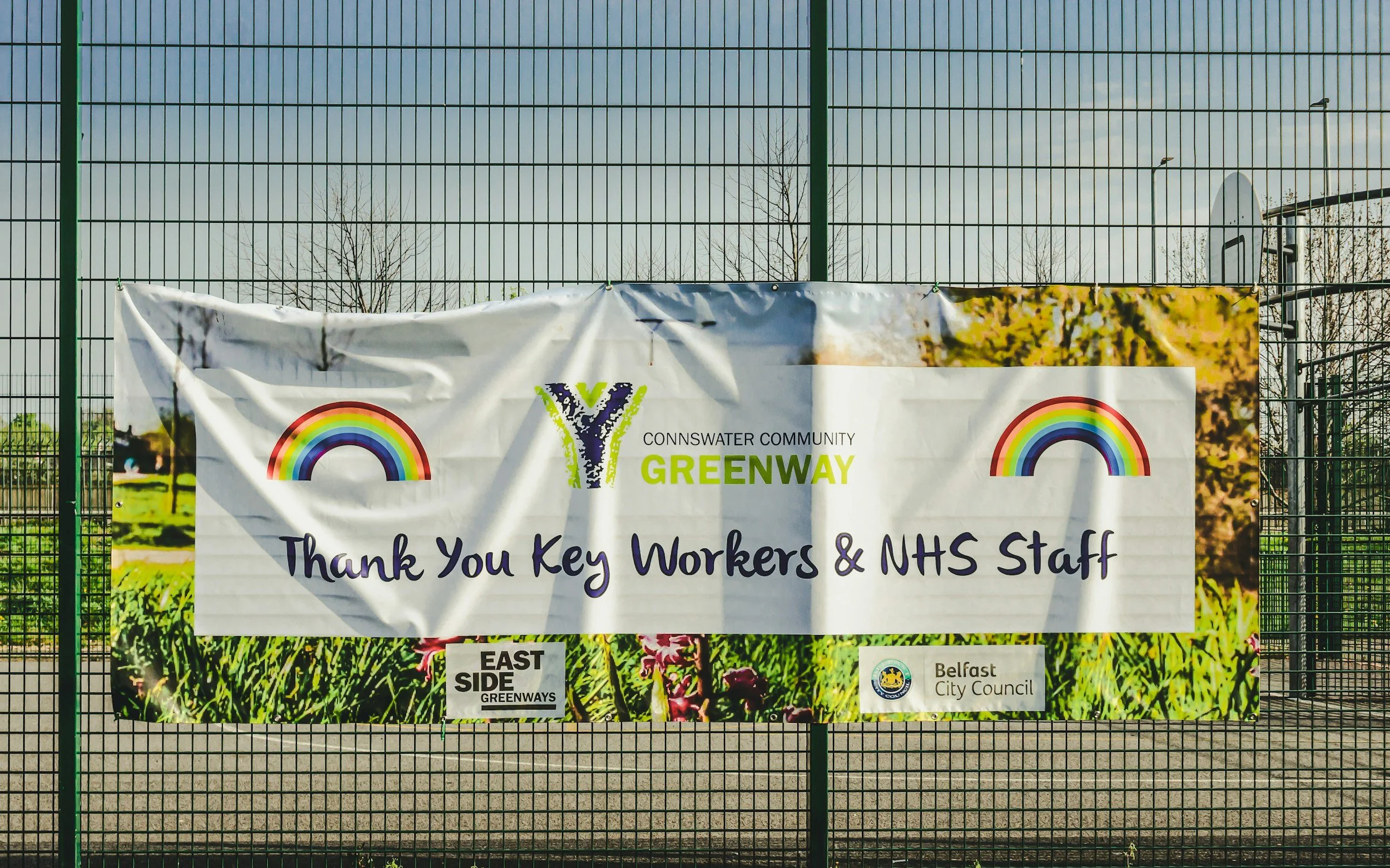
Create signs, banners, displays, and event materials around information that will remain useful for several campaigns.
Keep permanent elements such as the company name, website, logo, phone number, and core message on the main material. Temporary offers can be communicated separately through smaller inserts, QR codes, or digital channels.
For local promotions, durable custom yard signs can be designed around evergreen messages and reused when appropriate instead of ordering a completely new design for every campaign. Many yard sign companies offer corrugated plastic signs with outdoor-oriented printing and customizable formats.
2. Use QR Codes to Reduce Printed Information
Printed materials often become obsolete because one detail changes. A restaurant updates its menu. A service business changes its pricing. An event organizer adjusts the schedule. Rather than printing every detail, place a QR code on the physical marketing material and direct customers to a webpage that can be updated.
QR Codes Can Link To
Current offers
Appointment booking
Product catalogs
Event schedules
Digital menus
Contact forms
Store directions
Keep the printed message simple enough to remain useful even if the destination page changes.
Always test the QR code before production and make sure the linked page works well on mobile devices.
3. Build Local Campaigns Around Geographic Relevance
Broad advertising can waste both marketing budget and resources.
A local service provider does not need to reach thousands of people outside its operating area. Digital advertising platforms, local search optimization, neighborhood partnerships, and targeted offline campaigns can narrow the audience.
Start by defining the actual service radius. Then compare where current customers come from with where marketing money is being spent. If most profitable customers are concentrated within five miles, a highly localized campaign may perform better than a citywide promotion.
Better targeting means fewer impressions, mailers, or promotional products are wasted on people who are unlikely to become customers.

Jeff Sheldon @unsplash
4. Reduce Disposable Promotional Products
Cheap giveaways often have a short useful life. Before ordering promotional merchandise, ask whether the recipient is likely to use the product repeatedly. Reusable items can make more sense than novelty products that are quickly discarded.
The decision should still be based on the audience. A reusable bottle may work for a fitness event but make little sense for a campaign aimed at customers who likely already own several.
Sustainable promotional purchasing is partly about ordering less. Avoid automatically buying hundreds of items simply because the unit price becomes cheaper at higher quantities.
5. Print in Smaller, Better-Planned Batches
Bulk printing can lower the cost per piece, but it can also create large amounts of unused material.
Small businesses frequently change prices, team members, products, opening hours, branding, and contact details. Ordering a year's supply of brochures can become expensive if half of them are outdated within three months.
Before Ordering Print Materials, Check
How long the information will remain accurate
Previous campaign usage
Expected event attendance
Current inventory
Upcoming branding changes
Seasonal demand
Use historical distribution data to estimate realistic quantities. Reordering a smaller batch is often better than throwing away thousands of obsolete pieces.
6. Turn Existing Content Into Multiple Formats
Creating new marketing material for every channel takes time and resources. Instead, build campaigns around reusable core content.
A detailed guide published on a company website can become several social posts, an email newsletter, a short video, a sales handout, or a series of customer FAQs. This approach extends the useful life of the original work. It also creates more consistent messaging because every channel starts from the same underlying information.
Review older content before producing something new. Updating a useful article may generate better results than publishing another piece covering nearly the same subject.
7. Use Email More Selectively
Digital marketing still consumes resources, even though it does not create physical waste. Sending more emails is not automatically better marketing. It’s more effective to segment subscribers according to interests, previous purchases, location, or stage in the customer relationship.
A customer who purchased a particular service may need different information from someone who downloaded a general guide six months ago. Better segmentation can improve relevance while reducing unnecessary messages. Remove invalid addresses and manage inactive subscribers instead of continuously sending campaigns to an increasingly poor-quality list.
8. Partner With Nearby Businesses
Local partnerships can reduce the amount of marketing each company has to create independently. A coffee shop and nearby bookstore might promote a joint event. A landscaper could partner with a local garden center. Several businesses in the same commercial area could share the cost of an event or neighborhood campaign.
Choose partners with complementary customers rather than direct competitors. Define responsibilities before the campaign begins, including promotion, costs, lead collection, and follow-up.
Shared campaigns work best when each company contributes an audience or resource the others do not already have.
9. Make Events Less Material-Heavy
Events can generate large volumes of temporary signage, brochures, decorations, packaging, and giveaways. Audit what was actually used after each event.
If hundreds of brochures were left on tables, reduce the next print run. If attendees mainly used QR codes, shift detailed information online. Reusable directional signs and display hardware can also be stored for future events.
Avoid printing dates directly onto expensive display materials when the rest of the design could be reused. Business events can readily incorporate sustainability with small design decisions that can extend the life of event assets considerably.
10. Improve the Sustainability of Direct Mail
Direct mail can still be useful for local businesses, but distribution should be deliberate.
Clean customer and prospect data before printing. Remove duplicate addresses and people outside the service area. Segment recipients so different groups receive relevant offers instead of sending the same piece to everyone. Keep mail pieces concise.
A postcard directing recipients to a landing page may require less material than a multi-page brochure while still giving interested customers access to complete information.
Track responses using unique landing pages, phone numbers, QR codes, or promotional codes.
11. Measure Waste Alongside Marketing Results
Marketing reports usually focus on impressions, clicks, leads, conversions, and revenue.
Physical campaigns should include another category: unused material.
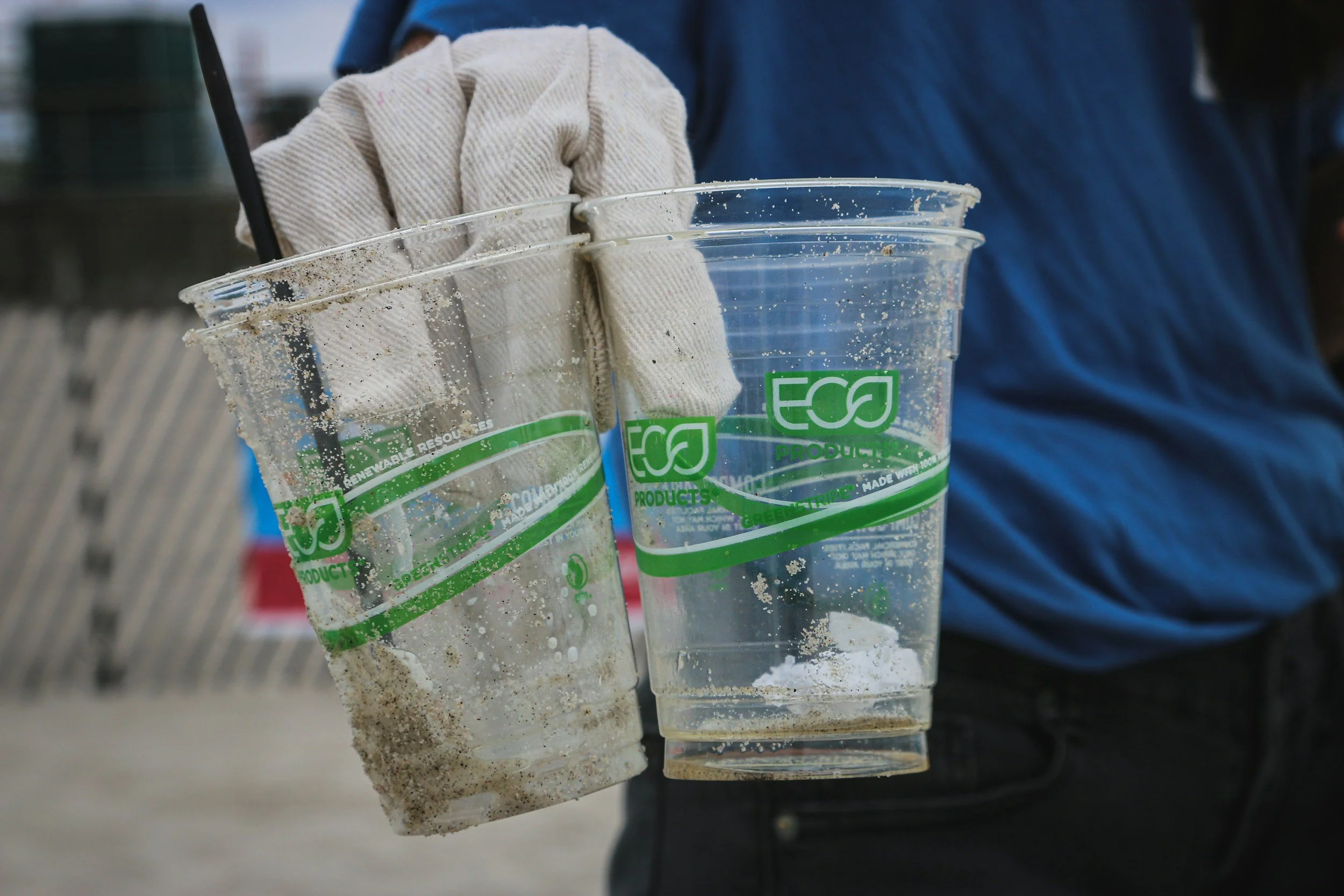
Record how many brochures, signs, promotional products, flyers, and event materials were ordered and how many were actually used. If a campaign ordered 5,000 flyers and distributed only 2,000, the unused quantity is both an environmental and financial problem. Use that information when planning the next campaign.
The same principle applies to digital marketing. Stop campaigns that consistently attract irrelevant traffic or low-quality leads.
Brian Yurasits @unsplash
12. Avoid Unsupported Environmental Claims
Sustainable marketing also requires careful language. Terms such as "green," "eco-friendly," and "sustainable" can be vague unless the company can explain what they mean. Use specific statements instead.
If packaging contains recycled material, state the verified percentage. If a product is reusable, explain how. If a business has reduced shipping materials, describe the actual change. Specific claims are easier for customers to understand and less likely to create an impression that environmental benefits are greater than they really are.
Make Sustainability Part of Marketing Operations
The best sustainable marketing strategy is usually not a single environmental campaign. It’s a collection of practical operating decisions.
Design physical materials for longer use. Print realistic quantities. Target the right geographic areas. Reuse content. Choose promotional products carefully. Replace unnecessary printed information with digital updates. Then measure what gets used.
Small businesses often have an advantage because they can change these processes quickly. Reducing marketing waste does not require abandoning print, events, signage, or promotional materials. It requires being more deliberate about what gets produced, who receives it, how long it remains useful, and whether it delivers enough value to justify the resources behind it.
About the Author:
James Avery is a content writer who covers sustainable business, local marketing, and practical ways small companies can reduce waste. He writes about smarter promotional planning, reusable materials, efficient operations, and marketing choices that support both business goals and environmental responsibility.