


What to Do with Fallen Leaves: 6 Better Alternatives to Bagging Them
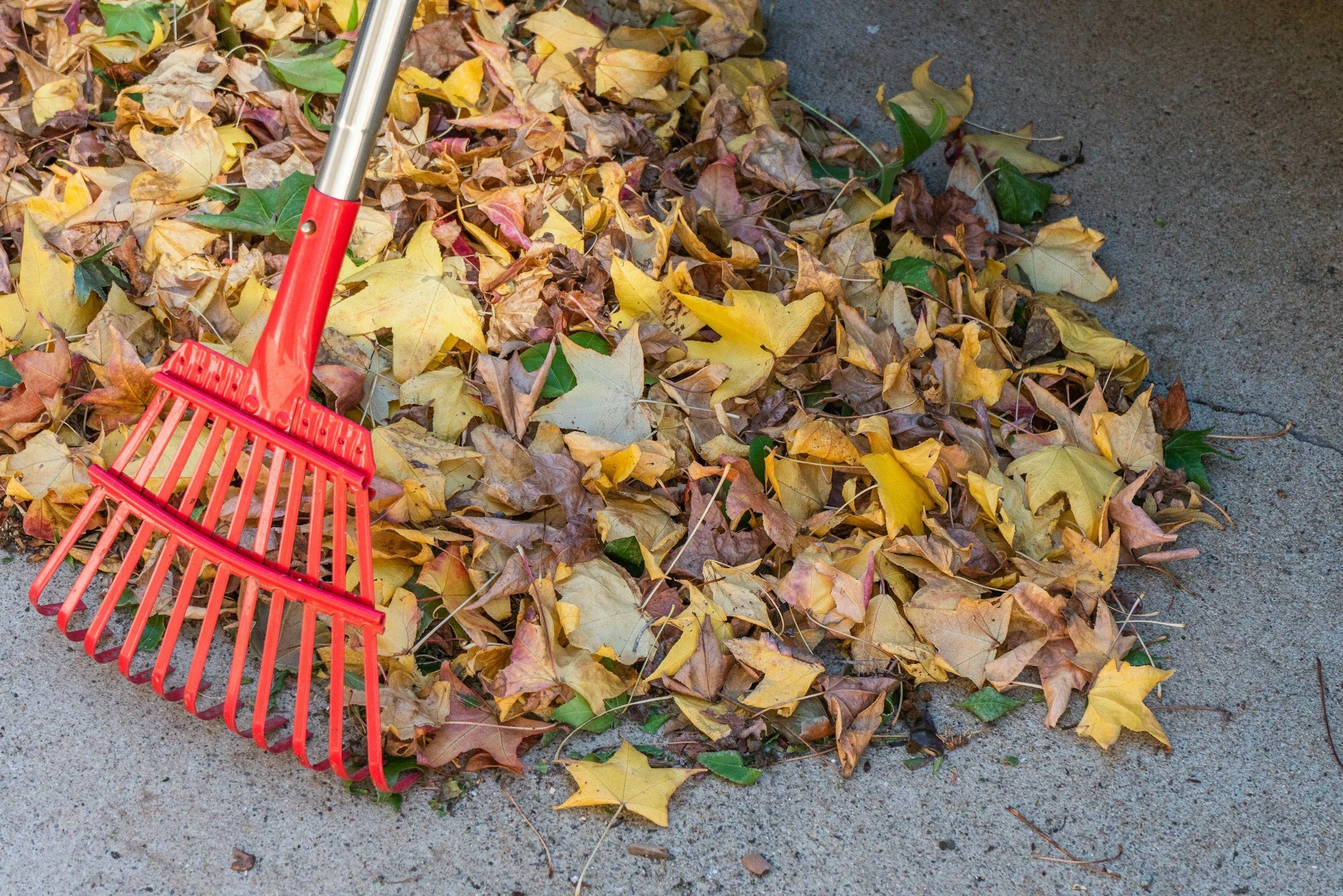
/Every fall, millions of homeowners rake fallen leaves into piles, stuff them into bags, and leave them at the curb for collection. Now there’s nothing wrong with leaving your leaves to be collected by municipal authorities – as long as they are recycling or otherwise reusing them. But what if those leaves could be put to better use in your own landscape and garden?
Fallen leaves are more than seasonal debris. They're a natural source of organic matter that can improve soil health, conserve moisture, support wildlife, and reduce your need for commercial fertilizers and mulch. In forests leaves decompose naturally, returning nutrients to the soil and creating habitats for many different organisms. Your garden and landscape can benefit from the same process.
Instead of treating autumn leaves as yard waste, consider putting them to work. Here are six practical, eco-friendly alternatives to bagging fallen leaves that can save you time, money, and effort while supporting a healthier landscape.
Wendell Shinn @unsplash
1. Mulch Leaves Directly into Your Lawn
One of the easiest ways to manage fallen leaves is to leave them right where they fall—after shredding them with your lawn mower.
Rather than raking and bagging, run your mower over a thin layer of dry leaves. The shredded pieces will settle between the grass blades and gradually decompose, returning organic matter and nutrients to the soil.
Why it works:
Reduces the need for leaf collection and disposal.
Helps recycle nutrients within your lawn.
Saves time compared with traditional raking.
For best results, mow leaves regularly throughout the fall instead of waiting until they form a thick layer. A mulching mower works particularly well, but a standard mower can also shred leaves effectively.
Important Tip:
Avoid leaving thick mats of whole leaves on your lawn. They can block sunlight, trap excess moisture, and damage the grass. If shredded leaves still cover most of the grass blades, remove some and use them elsewhere in your garden.
2. Turn Fallen Leaves into Nutrient-Rich Compost
Autumn leaves are an excellent addition to your compost pile. They're considered brown materials, meaning they're rich in carbon and help balance nitrogen-rich green materials such as vegetable scraps, coffee grounds, and fresh grass clippings.
To compost fallen leaves:
Collect leaves and shred them to accelerate decomposition.
Combine them with nitrogen-rich materials.
Keep the pile moist, like a wrung-out sponge.
Turn the compost periodically to introduce oxygen.
Allow the materials to break down into dark, crumbly compost.
A useful starting point is approximately two to three parts dry leaves to one part green materials by volume, adjusting as needed to keep the pile aerated and decomposing.
Finished compost improves soil structure, supports beneficial microorganisms, and increases the soil's ability to retain moisture and nutrients.
Gardening tip:
Store extra dry leaves in a ventilated bin or container. You'll have a free supply of carbon-rich material to balance kitchen scraps throughout the year.
3. Make Leaf Mold for Your Garden Beds
If traditional composting sounds like too much work, consider making leaf mold instead.
Leaf mold is simply decomposed leaves. Unlike conventional compost, which relies on a mixture of materials, leaf mold develops primarily through fungal decomposition.
To make it, gather fallen leaves into a wire enclosure, compost bin, or loosely filled reusable bag with ventilation holes. Moisten the leaves, then leave them to decompose.
Shredding leaves beforehand speeds up the process, but it's not essential. Depending on the leaf type, moisture, and temperature, leaf mold may take six months to two years to develop.
The finished material has a soft, crumbly texture and an earthy smell.
Leaf mold is particularly valuable for:
Improving moisture retention in sandy soils.
Adding organic matter to garden beds.
Improving the structure of compacted soils over time.
Serving as a soil amendment or surface mulch.
Unlike finished compost, leaf mold isn't especially nutrient-rich. Its primary benefit is improving soil structure and moisture management.
For gardeners interested in building healthier soil without purchasing additional amendments, leaf mold is an excellent option.
4. Use Fallen Leaves as Winter Mulch
Fallen leaves can also protect your garden during the colder months.
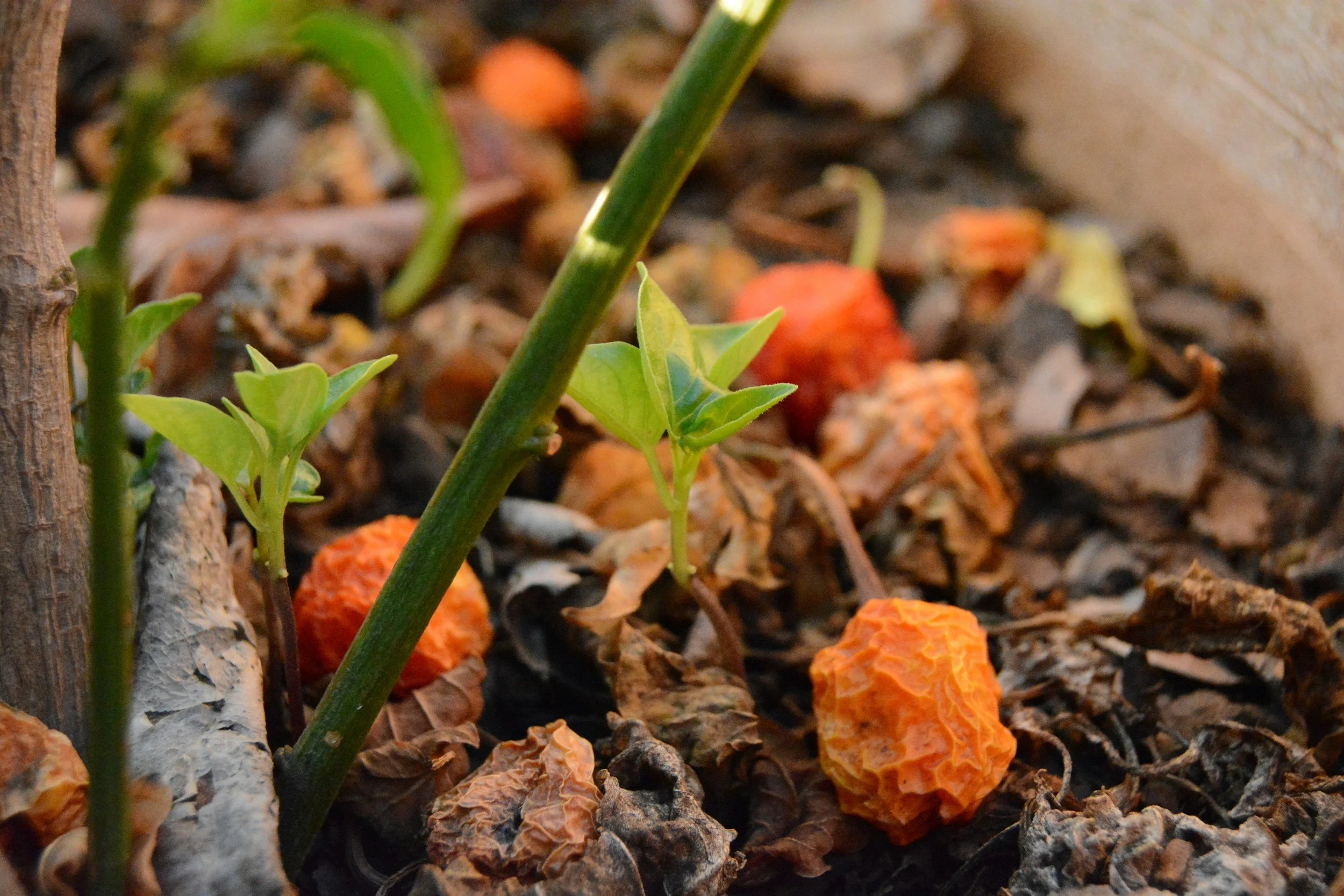
A layer of leaves around perennial plants, shrubs, and established garden beds helps insulate the soil, moderate temperature fluctuations, and reduce erosion caused by winter rain.
Leaves also gradually break down, adding organic matter to the soil.
Alida Mare @unsplash
For best results, shred leaves before applying them as mulch, especially if you're using large, flat leaves such as maple or sycamore. Shredding reduces the likelihood that they'll form dense, water-resistant mats.
Apply approximately two to three inches of loose, shredded leaves around established plants, keeping the mulch away from stems, trunks, and crowns. Remember, putting a mulch ring around a tree trunk will do more harm than good.
For vegetable beds that will remain empty over winter, a layer of leaves can help protect exposed soil from erosion and compaction.
One caution:
Avoid using leaves from trees with serious foliar diseases around susceptible plants. Although many leaf diseases are host-specific, removing infected debris may be advisable when managing recurring disease problems.
5. Create a Wildlife-Friendly Leaf Habitat
Not every fallen leaf needs to be shredded, composted, or moved.
In fact, leaving some leaves undisturbed is one of the simplest ways to support biodiversity in your backyard.
Many beneficial insects, including certain butterflies, moths, beetles, and native bees, depend on leaf litter for shelter or overwintering habitat. Salamanders, spiders, and other small creatures also use fallen leaves for protection.
When we remove every leaf from our landscapes, we eliminate important habitats for these organisms.
Consider creating a designated leaf-friendly area beneath trees, around shrubs, or along the edges of your garden.
Allow leaves to accumulate naturally in these spaces without mowing or shredding them.
To maximize their ecological value:
Leave some whole leaves undisturbed throughout winter.
Avoid applying pesticides to leaf-litter habitats.
Keep leaves away from building foundations and drainage openings.
Allow overwintering insects time to emerge in spring before disturbing these areas.
This approach is especially valuable in gardens designed to attract pollinators and other beneficial wildlife.
A slightly less manicured landscape can be a much healthier one.
6. Use Leaves to Build New Garden Beds
Planning to expand your vegetable garden or create a new flower bed next spring? Fallen leaves can help you get started without purchasing large quantities of soil amendments.
One effective approach is sheet mulching, sometimes called lasagna gardening.
This technique involves layering organic materials over an existing patch of lawn or unwanted vegetation to suppress weeds and gradually build healthier soil.
Here's how to begin:
Mow the grass or weeds as short as possible.
Cover the area with overlapping sheets of plain cardboard, removing tape and labels.
Wet the cardboard thoroughly.
Add a layer of shredded fallen leaves.
Top with finished compost or other suitable organic materials.
Allow the layers to settle and decompose over winter.
By spring, the underlying vegetation may be substantially weakened, and the organic materials will have begun improving the soil.
However, decomposition takes time. You may need additional compost or soil before planting, particularly for vegetables with extensive root systems.
Sheet mulching is best suited to areas without persistent invasive weeds or aggressive perennial grasses.
It's an inexpensive way to transform an underused section of your yard into productive growing space.
Which Leaves Should You Avoid Using?
Although most fallen leaves are useful in the garden, a few precautions are worth remembering.
Avoid collecting leaves from roadsides or other areas where they may be contaminated with automotive fluids, deicing salts, or chemical residues.
JOGphotos @unsplash
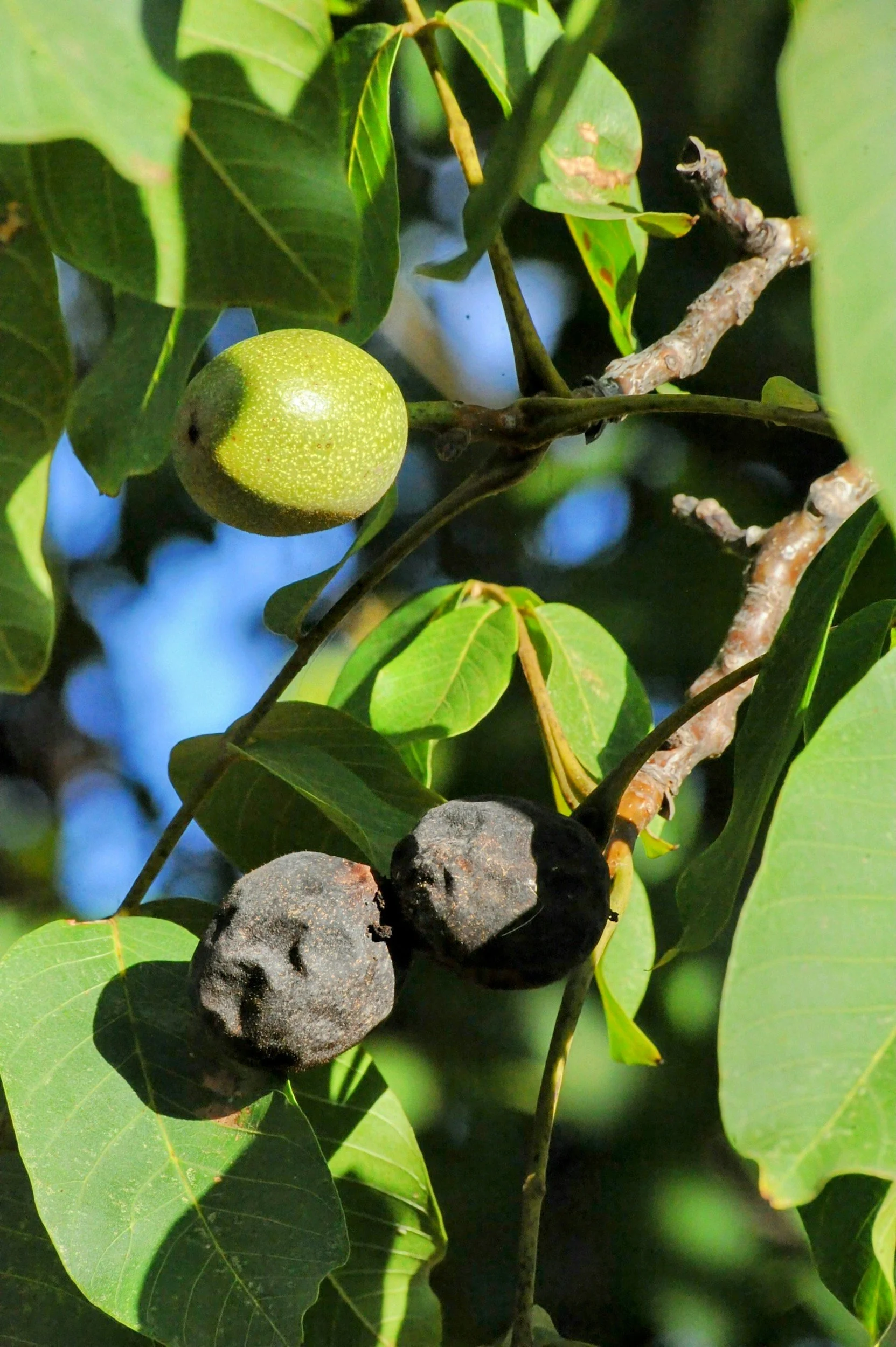
Leaves from black walnut trees contain juglone, a compound that can inhibit the growth of certain sensitive plants. Although juglone breaks down during composting, gardeners should exercise caution when using fresh walnut leaves around susceptible crops.
Also, avoid incorporating large quantities of diseased leaves into a cold compost pile if the pathogens could infect plants you intend to grow.
When in doubt, use healthy leaves from your own property or another source you trust.
A Greener Approach to Fall Cleanup
Bagging leaves may create a tidy-looking yard, but it also removes valuable organic matter from your landscape. And when leaves are sent to landfills, their decomposition under oxygen-poor conditions can contribute to methane emissions, a potent greenhouse gas.
Fortunately, sustainable leaf management doesn't require complicated equipment or expensive supplies.
Whether you mulch leaves into your lawn, turn them into compost, create leaf mold, protect garden beds, support wildlife, or establish new planting areas, you're putting a free natural resource to good use.
You don't have to choose just one method, either. Shred leaves on your lawn, compost the excess, and leave some undisturbed beneath shrubs for overwintering wildlife.
The next time leaves begin covering your yard, think of them as an opportunity rather than a chore. By working with nature instead of removing everything it provides, you can build healthier soil, support biodiversity, and create a more sustainable garden—one fallen leaf at a time.