


What To Do With All Those Leftover Hot Peppers
/If you grow hot peppers, you might be facing an interesting problem right now: far more peppers than you know what to do with.
A few jalapeño or habanero plants can produce an astonishing harvest, and plants often keep going until cold weather finally brings the season to an end. If you grow especially productive varieties, you may find yourself, like me, staring at a bowl, basket, or refrigerator drawer full of peppers even after you've already made salsa, added them to meals, and given some away.
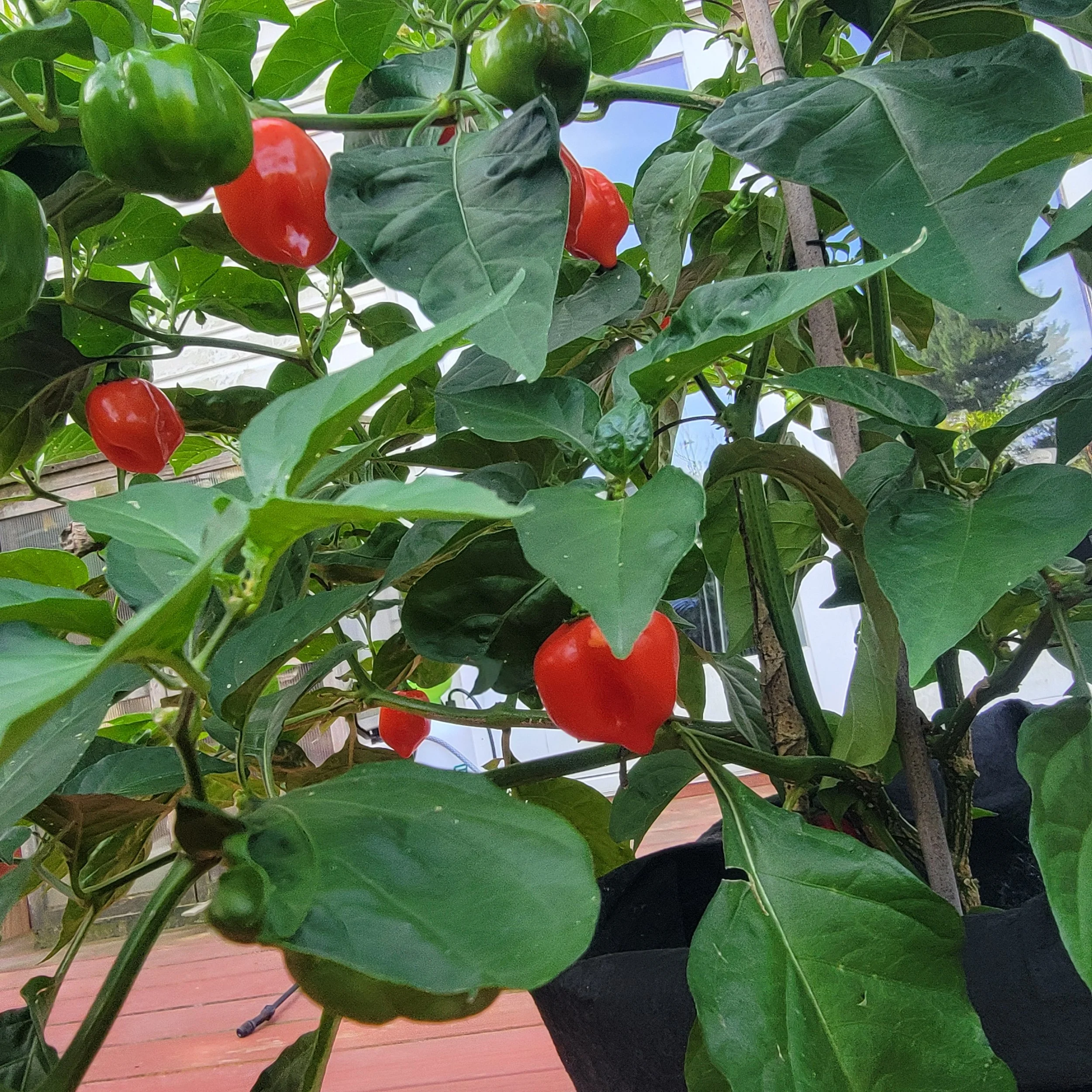
photo by green and prosperous
The good thing is that hot peppers are one of the easiest garden vegetables to preserve. You can freeze, dry, pickle, ferment, or turn them into sauces and seasonings that last long after the growing season ends.
Here are a few suggestions for using up your hot pepper harvest.
1. Freeze Them for Later
Freezing is probably the easiest option if you have plenty of peppers but not much time.
Unlike many vegetables, peppers don’t need to be blanched before freezing. Wash them, dry them thoroughly, remove the stems, and freeze them whole. You can cut them and remove the seeds and membranes beforehand if that will make them easier to use later, but it’s not necessary for freezing.
For convenience, spread cut peppers on a baking sheet and freeze them individually for about an hour before transferring them to freezer bags or containers. This keeps them from freezing into one large clump, so you can remove only as much as you need.
Frozen peppers will lose some of their crisp texture after thawing, so they aren't ideal for dishes for which you want the crunch of a fresh pepper. But they work beautifully in chili, soups, stews, curries, sauces, casseroles, and other cooked dishes.
Just be sure to use plastic gloves when handling very hot peppers like habaneros; even washing your hands afterwards won’t help you avoid burning if you touch your face after handling them. I’ve made that mistake at least twice and found that the burning sensation didn’t subside for at least half an hour!
2. Dry Your Peppers
If freezer space is limited, drying can turn a large pile of peppers into a surprisingly small amount of food.
Small, thin-walled peppers are especially well suited to drying. A dehydrator provides the most controlled method, although peppers can also be dried in an oven at a very low temperature. Depending on your climate and the type of pepper, air-drying may also be possible.
Make sure the peppers are completely dry before storing them. Any remaining moisture can encourage mold.
Once dried, you can keep the peppers whole in an airtight container and crumble them into dishes as needed. Or take the preservation process one step further.
3. Make Your Own Crushed Red Pepper or Chili Powder
Those dried peppers can become a homegrown seasoning that lasts for one or two years with proper storage.
Pulse completely dried peppers in a food processor, spice grinder, or blender to make crushed pepper flakes. Process them longer for a finer powder.
You can use a single pepper variety or combine several varieties to create your own blend. A mixture of peppers can give you a seasoning with much more complexity than simply "hot." Some peppers contribute fruity, smoky, earthy, or even slightly sweet flavors.
Again, be sure to wear gloves when handling very hot peppers and be particularly careful when grinding them. Fine pepper particles can irritate your eyes, nose, throat, and lungs. Let the dust settle before opening your grinder or blender and avoid leaning directly over it.
Store your finished pepper flakes or powder in an airtight container away from heat and direct sunlight.
4. Pickle Them
Pickling is another excellent option, especially for jalapeños, banana peppers, serranos, and similar varieties.
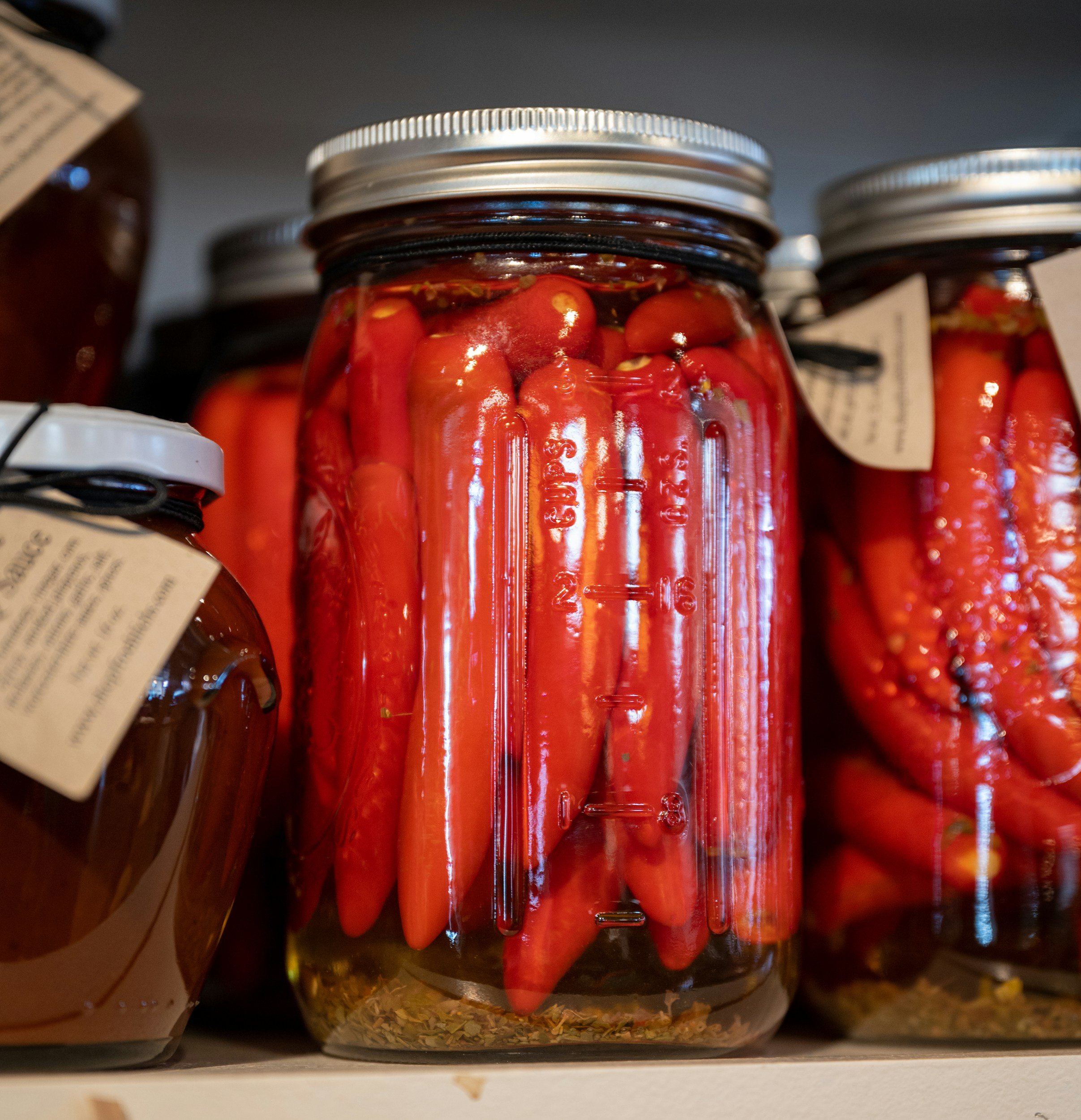
Herry Sutanto @unsplash
Quick refrigerator pickles are convenient if you don't want to get involved in canning. Sliced peppers can be covered with an appropriate vinegar-based brine and refrigerated, giving you tangy peppers to use on sandwiches, tacos, nachos, burgers, salads, grain bowls, and more.
Remember that refrigerator pickles are not shelf-stable. They have to remain refrigerated so you can avoid food poisoning.
If you want shelf-stable pickled peppers, use a tested canning recipe from a reliable source rather than improvising the proportions of peppers, vinegar, water, and other ingredients. Proper acidity and processing are essential for safe home canning. This water bath canning recipe from the University of Georgia’s National Center for Home Food Preservation is beginner-friendly and relatively easy.
5. Ferment Them
If you enjoy fermented foods, an abundance of hot peppers gives you an opportunity to experiment with a completely different preservation method.
Lacto-fermentation uses beneficial microorganisms to transform fresh peppers, creating acidity and developing complex flavors. Garlic, onions, carrots, herbs, and other ingredients can sometimes be incorporated as well, depending on the recipe.
Fermented peppers can be eaten as a condiment or blended into homemade hot sauce.
Fermentation is more technique-sensitive than simply freezing peppers, however. Use a tested recipe, follow the recommended salt concentration, keep the vegetables properly submerged, and pay attention to signs of spoilage.
For beginners, it is worth learning the basic principles of safe vegetable fermentation before experimenting with your own combinations.
6. Make Homemade Hot Sauce
If you have a truly enormous pepper harvest, hot sauce can make a sizable dent in it.
Recipes vary tremendously. Some use fresh peppers and vinegar, while others begin with fermented peppers. Additional ingredients might include garlic, onion, fruit, herbs, or spices.
This is also where growing several varieties of peppers becomes especially fun. A habanero-based sauce, for example, will taste very different from one made primarily with jalapeños or cayenne peppers, even beyond the difference in heat.
Just remember that homemade hot sauce does not automatically become shelf-stable because it contains vinegar. Unless you are following a tested preservation recipe, keep it refrigerated and follow the recipe's storage recommendations.
7. Turn Them Into Pepper Paste
Another useful option is to turn peppers into a concentrated paste that you can add to recipes a spoonful at a time.
Pepper pastes are used in cuisines around the world, and ingredients vary considerably. Depending on the peppers you grow, you might combine them with garlic, spices, herbs, salt, or other flavorings.
Freeze your finished paste in small portions, such as in an ice cube tray. Once frozen, transfer the portions to a freezer container. You'll have convenient little flavor bombs ready for soups, sauces, marinades, stir-fries, and stews.
8. Infuse Vinegar With Peppers
Hot peppers can also be used to flavor vinegar.
Adding peppers to vinegar produces a spicy condiment that can be splashed onto cooked greens, beans, vegetables, or other dishes. It's an especially useful option if you like heat but don't necessarily want pieces of pepper in your food.
Because homemade infused products require appropriate preparation and storage to remain safe, follow a tested recipe rather than simply adding garden produce to a bottle and leaving it at room temperature indefinitely.
And while you may see recommendations for making homemade pepper-infused oils, be more cautious with those. Fresh vegetables and herbs stored improperly in oil can create conditions favorable to botulism. Unless you're using a tested procedure specifically designed for infused oils, choose vinegar instead.
9. Save Some Seeds for Next Year
Not every leftover pepper has to end up on the dinner table.
If you're growing an open-pollinated variety that you especially enjoyed, you may be able to save seeds for next year's garden. Choose fully mature peppers from healthy, productive plants and allow the seeds to dry thoroughly before storing them.
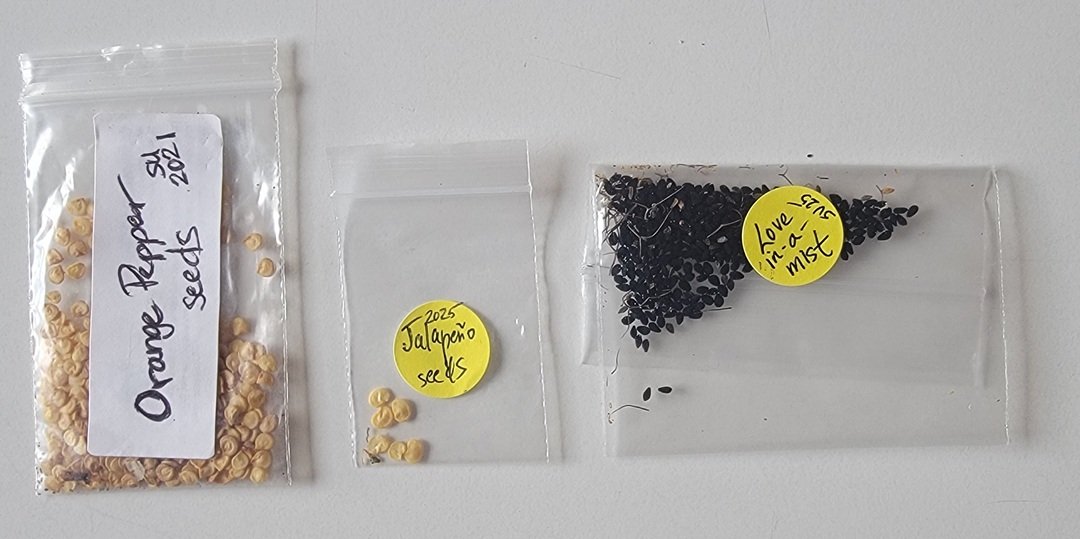
photo by green and prosperous
There is one catch: peppers can cross-pollinate. If you grew several varieties close together, plants grown from saved seed may not produce peppers identical to the parent plant.
That can be disappointing if you're trying to preserve a particular variety, although it can also make next year's garden more interesting.
Don't Let the Final Harvest Go to Waste
One of the advantages of growing hot peppers is that an oversized harvest doesn't have to become an oversized problem.
Freeze some for winter cooking. Dry a batch for homemade chili flakes. Pickle a jar for sandwiches and tacos. Try fermentation or make a small batch of hot sauce. Even peppers that you can't use immediately can become ingredients you'll appreciate months after the garden has gone dormant. The point is to make sure you’re using what you have and minimizing food waste.
And you don't have to choose just one preservation method.
When the last big harvest comes in, divide it up. Freeze some, dry some, pickle some, and turn the rest into something you haven't tried before. Instead of wondering what you're going to do with all those peppers, you may eventually find yourself wishing you'd grown even more.