


Say Goodbye to Patio Flooding: Better Drainage for Successful Container Gardens
/Poor drainage is the number one enemy of both patios and healthy container gardens. While too little water can cause plants to wilt, excess water can be just as damaging. When water has nowhere to escape, it typically collects around the roots, creating conditions that can encourage root rot and fungal diseases. Not only is poor drainage detrimental to plant health, but it can also endanger humans as it heightens the risks of slip and fall accidents in outdoor spaces.
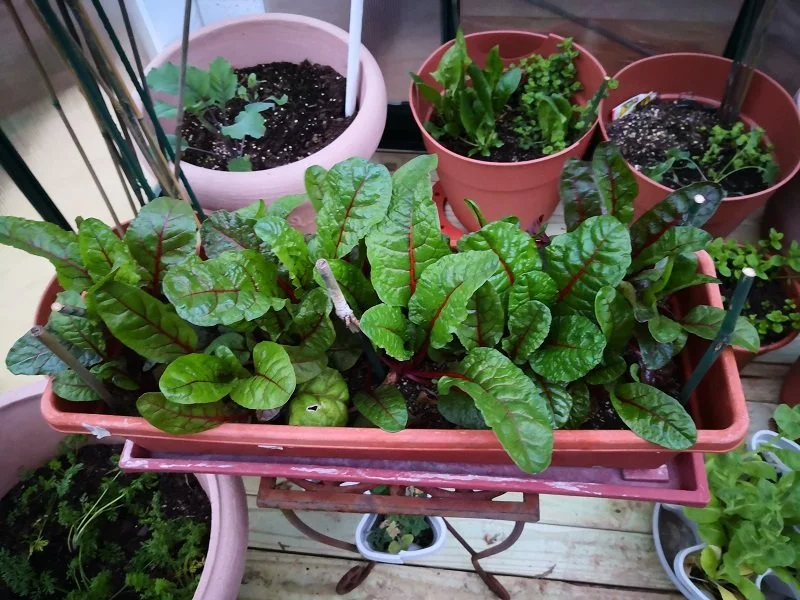
photo by greenand prosperous
A study finds that three in every four falls happen in the home or close by, and one of the top causes of slips and falls is slippery or wet surfaces. To stay safe and maintain a lush container garden, you need to manage excess water to protect both your outdoor living space and plants. With a few adjustments and some smart drainage solutions, you can keep your patio floors dry and make your container garden thrive.
Smart Watering Upgrades
Hand watering with a watering can gets old quickly, especially if you have to make several trips to your kitchen for refills. For convenience and to avoid spilling water on your floors, set up an exterior water connection near your patio. This saves you from lugging heavy pails or watering cans through your home, and it also gives you a direct connection for hoses and cleaning tools. Doing so also prevents you from making messy trails since dragging a bucket through living areas tracks dirt and mud inside your home.
For a smarter way to water your container garden, think about switching out your pots for self-watering planters or containers. These pots have a built-in reservoir at the base, and water is drawn upward into the soil via capillary action or wicking. This will help to drastically reduce how often you need to water while keeping the soil consistently moist.
If you're going on a holiday and there's no one to water the plants for you, automate the process by attaching a battery-operated Wi-Fi timer to your outdoor tap. With your phone, you can program the timer to water early in the morning when evaporation rates are lowest. When shopping for a smart timer, look for features such as weather adaptation. That way, if the smart device senses rain, it will send a signal to the faucet to skip watering until the next cycle or day, which will prevent overwatering and flooding in your patio.
Choose the Right Pots and Soil
The right pots are always the ones that have drainage holes at the bottom. See to it that all your planters have drainage holes to prevent plant roots from drowning and getting root rot. If you happen to find a nice planter without a drainage hole, use a masonry or plastic-rated drill bit to make holes before planting.
Ekaterina @unsplash
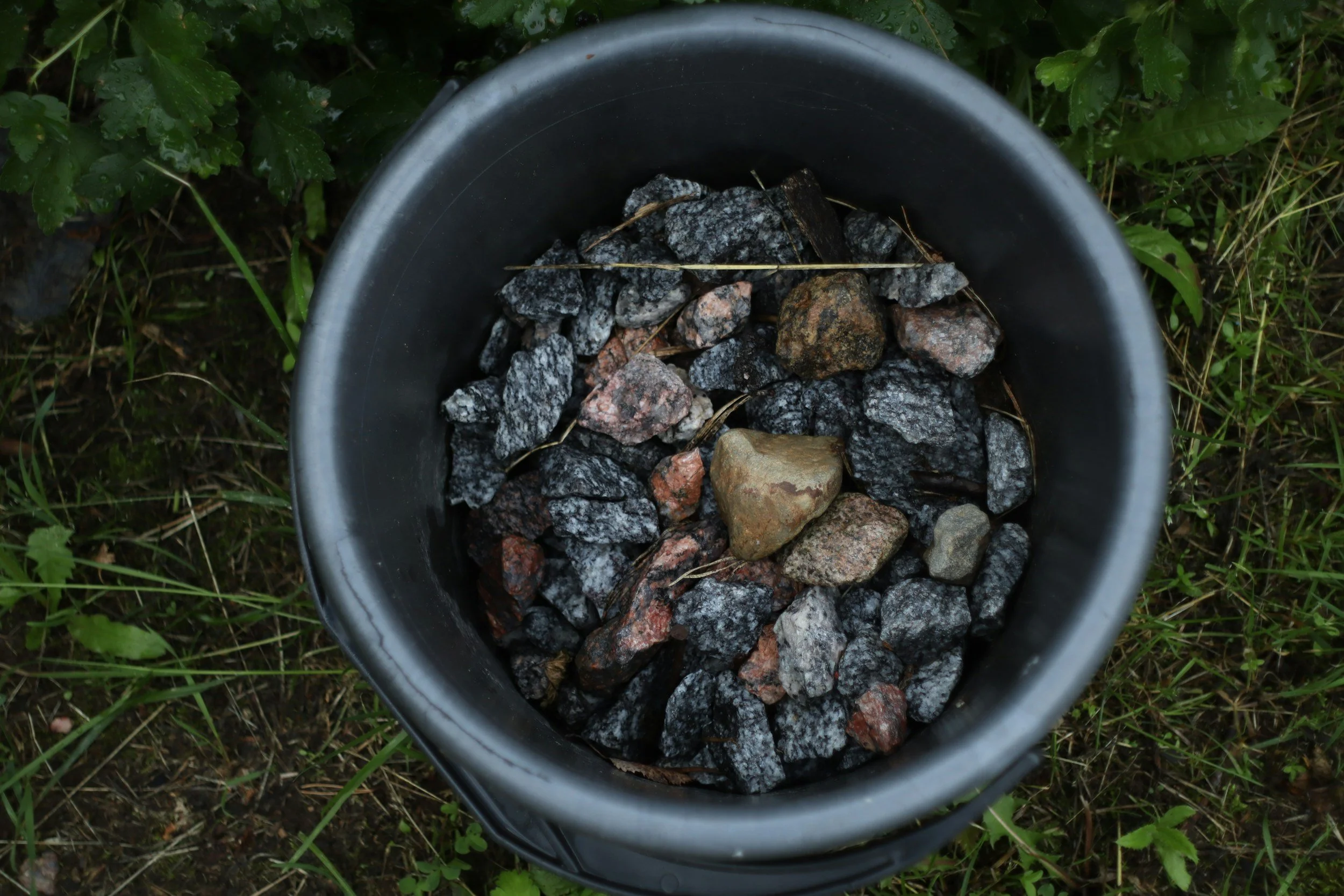
Some gardeners believe that placing gravel at the bottom of pots can help to create drainage. But in reality, it doesn't help much as this just helps the soil to retain more water. Skip the gravel and fill the entire container with quality potting mix instead. Unlike heavy garden dirt, potting mix has a fluffy, porous texture that lets excess water flow through freely, and it holds just enough water for hydration without causing waterlogging or root rot.
Create a Patio Drainage Plan
Good drainage is not only about choosing containers with holes. The way you arrange your pots and position them on the patio can also determine where excess water ends up. Before setting up your container garden, look at the slope of your patio and identify areas where water naturally collects. Avoid placing large groups of planters in low spots, as the combined runoff can create puddles and keep the surrounding surface wet for longer.
Whenever possible, position containers near existing drainage points, such as outdoor drains or areas where water can safely flow away from the patio. Leave enough space between pots to prevent water from becoming trapped between containers and avoid placing planters directly against walls or doors. If your patio has limited drainage, consider using a narrow channel or drainage grate to guide excess water toward a suitable outlet.
You should also consider how rainfall affects your container garden throughout the year. Heavy rain can quickly fill pots and overflow saucers, especially when several containers are placed close together. Keep an eye on areas where water tends to pool after storms and rearrange your planters when needed. A little planning can make watering and rainfall much easier to manage while keeping your patio cleaner, drier, and safer.
Manage the Runoff
Failing to manage water that drains out of your pots and planters not only creates a mini backyard swamp, but it also damages your wood or concrete decking since the water carries dirt and minerals that can stain flooring. Instead of mopping or leaving the water to evaporate on its own, manage the runoff to keep your patio dry. First, place a saucer or tray under every pot to catch excess water. If you have a wood deck, pick saucers with raised ridges on the bottom. This prevents wood rot since it stops moisture from getting trapped underneath.
Amelia Protiva @unsplash
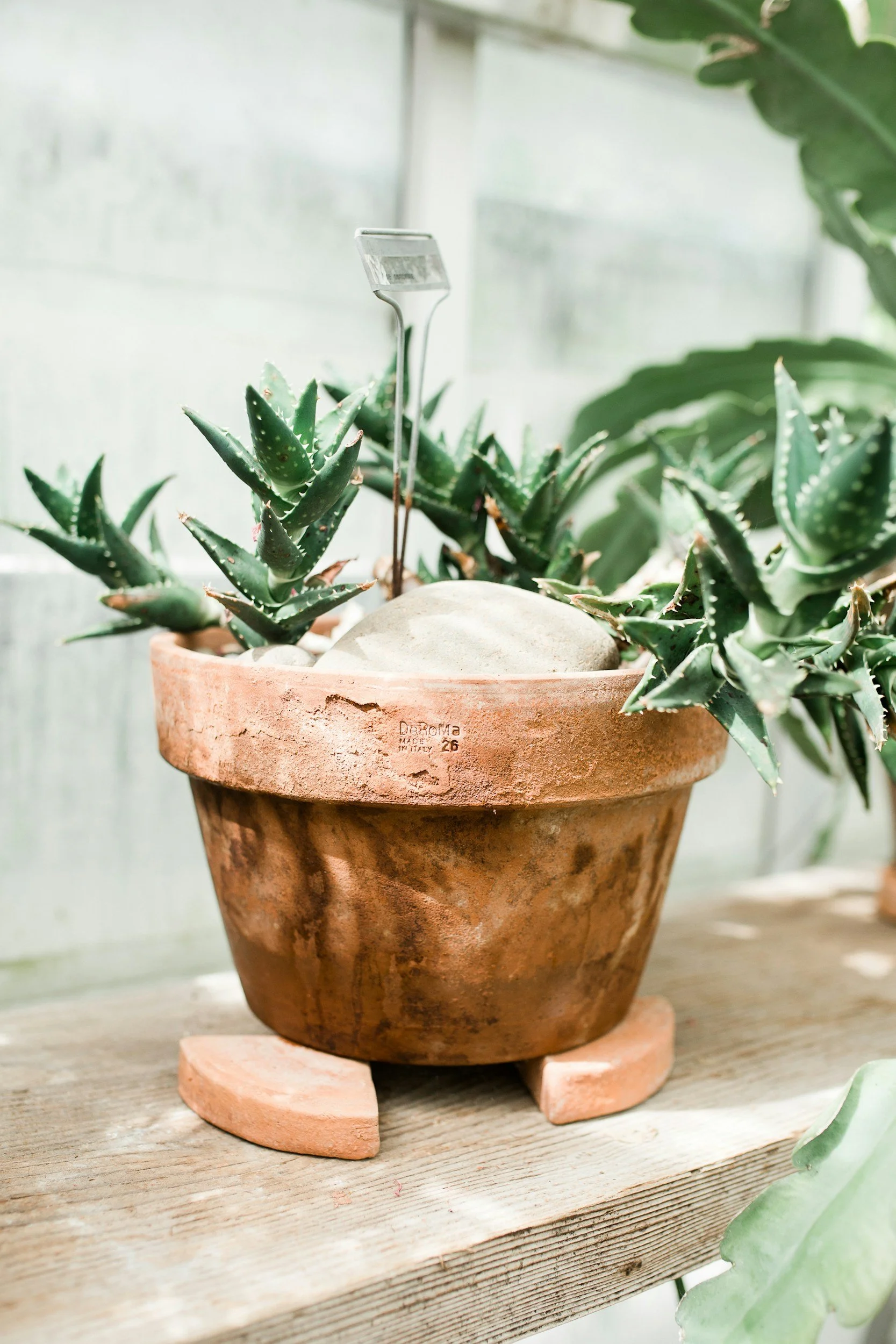
Next, improve air flow underneath planters by elevating containers using terracotta, cork or rubber risers. This will allow air to circulate under the pots and ensure that the drainage holes aren’t getting blocked by the ground. If possible, place all your pots and planters in one area to create a dedicated drainage zone. Simply place a grate on the ground, slide a tray under the grate, then put the pots on it. The tray will collect excess water and make cleanup easier after tending to your container garden.
Don't let poor drainage hold your plants back. By giving your container garden the proper foundation to breathe and drain, you can have a safer and cleaner patio, and a vibrant garden that thrives all year round.
About the Author:
Abdullah Kamran is a versatile creative who blends technical insight with a focused, human-centered approach. Known for his eye for detail and commitment to quality, he enjoys simplifying complex ideas into engaging, relatable content. Whether he’s diving into a new project or refining a digital strategy, Abdullah prioritizes authenticity and a high standard of excellence in everything he creates.