


Fall Garden Cleanup Mistakes: 7 Things You Shouldn't Do Before Winter
/As autumn temperatures drop and the growing season winds down, many gardeners begin their annual fall cleanup. They pull out spent plants, rake leaves, prune shrubs, and tidy up garden beds in preparation for winter. While these tasks may seem like essential steps toward maintaining a healthy garden, some traditional fall cleanup practices can actually do more harm than good.
In fact, one of the biggest mistakes gardeners make in fall is cleaning up too much. A perfectly tidy garden may look appealing, but it can leave soil exposed, eliminate important wildlife habitats, and even damage plants that need protection from freezing temperatures.
The good news? Preparing your garden for winter doesn't have to involve hours of backbreaking work. By avoiding these seven common fall garden cleanup mistakes, you can protect your plants, improve soil health, support beneficial insects, and give your garden a healthier start next spring.
Jose Luis Cofre @unsplash
1. Removing Every Fallen Leaf From Your Garden
If you're accustomed to raking every fallen leaf into bags for collection, you might want to reconsider.
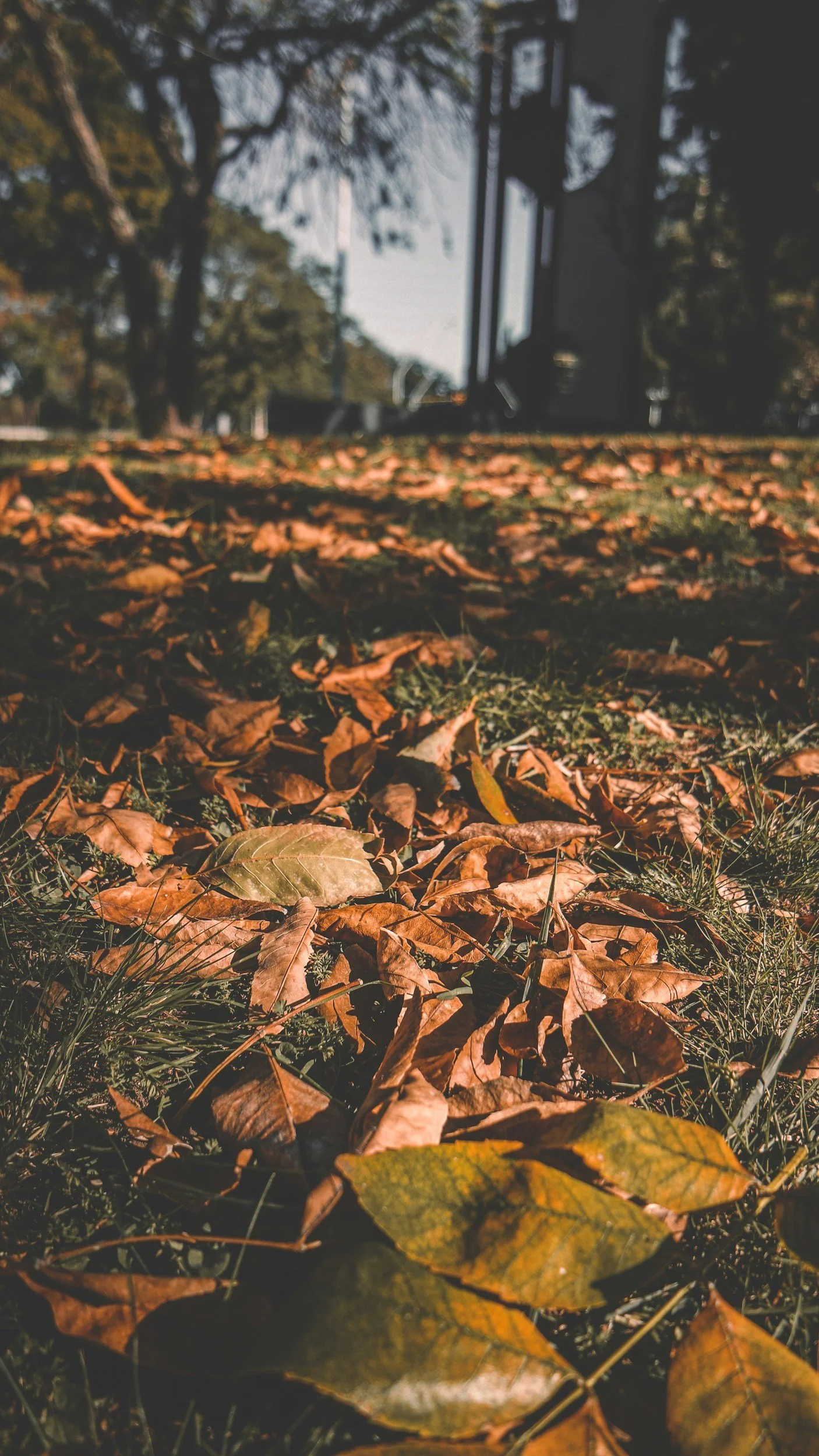
Fallen leaves are one of nature's best soil amendments. As they decompose, they release nutrients, improve soil structure, and encourage beneficial microorganisms. They also provide insulation that helps protect plant roots from fluctuating winter temperatures.
Leaves offer another important benefit: they create overwintering habitats for beneficial insects, including moths, butterflies, native bees and other pollinators.
What to do instead: Leave a layer of fallen leaves beneath trees, around shrubs, and in garden beds where appropriate. You can also shred excess leaves and use them as mulch or add them to your compost pile.
However, avoid allowing thick mats of wet leaves to accumulate on your lawn, where they can smother grass and encourage disease. Move those leaves into garden beds or compost them instead.
2. Cutting Back All Your Perennials
Many gardeners cut their perennial plants down to the ground as soon as flowering ends. Although this creates a neat appearance, it can deprive wildlife of valuable food and shelter.
Many plants, including coneflowers, black-eyed Susans, and asters produce seeds that feed birds throughout fall and winter. Their hollow or pithy stems can also provide nesting and overwintering sites for native bees and other beneficial insects. Standing stems and foliage can even help trap snow, creating natural insulation around plant crowns.
What to do instead: Leave healthy perennial stems and seed heads standing through winter. In spring, cut them back carefully, leaving some stems at varying heights to provide potential nesting sites.
There are exceptions. Remove foliage affected by serious diseases, particularly when pathogens can overwinter in plant debris. Peonies with fungal problems, for example, benefit from fall sanitation. The goal isn't to abandon garden maintenance but to distinguish between beneficial plant material and debris that genuinely needs removal.
3. Pruning Trees and Shrubs Too Late in the Season
Fall might seem like an ideal time to reshape overgrown shrubs and prune trees. Unfortunately, pruning at the wrong time can reduce flowering, expose plants to winter damage, or stimulate tender new growth during an unusually warm autumn.
Spring-flowering shrubs, including lilacs, azaleas, and forsythias, typically form their flower buds during the previous growing season. Pruning them in fall removes the buds that would have produced next spring's flowers. Some plants also benefit from retaining their stems and branches for additional winter protection.
What to do instead: Limit fall pruning to removing dead, damaged, or hazardous branches. Schedule major pruning according to the needs of each species.
For many deciduous trees, late winter or early spring is a suitable pruning period. Spring-flowering shrubs are generally best pruned shortly after blooming. Before you prune, identify the plant and check its recommended pruning schedule.
4. Leaving Garden Soil Bare Throughout Winter
After harvesting the last vegetables, it's tempting to pull everything out and leave your garden beds empty until spring. However, bare soil is vulnerable to erosion, nutrient loss, compaction, and temperature fluctuations. Heavy autumn rains can wash away valuable topsoil, while winter precipitation may contribute to nutrient leaching. Exposed soil also provides fewer resources for beneficial soil organisms.
Simona Sergi@unsplash
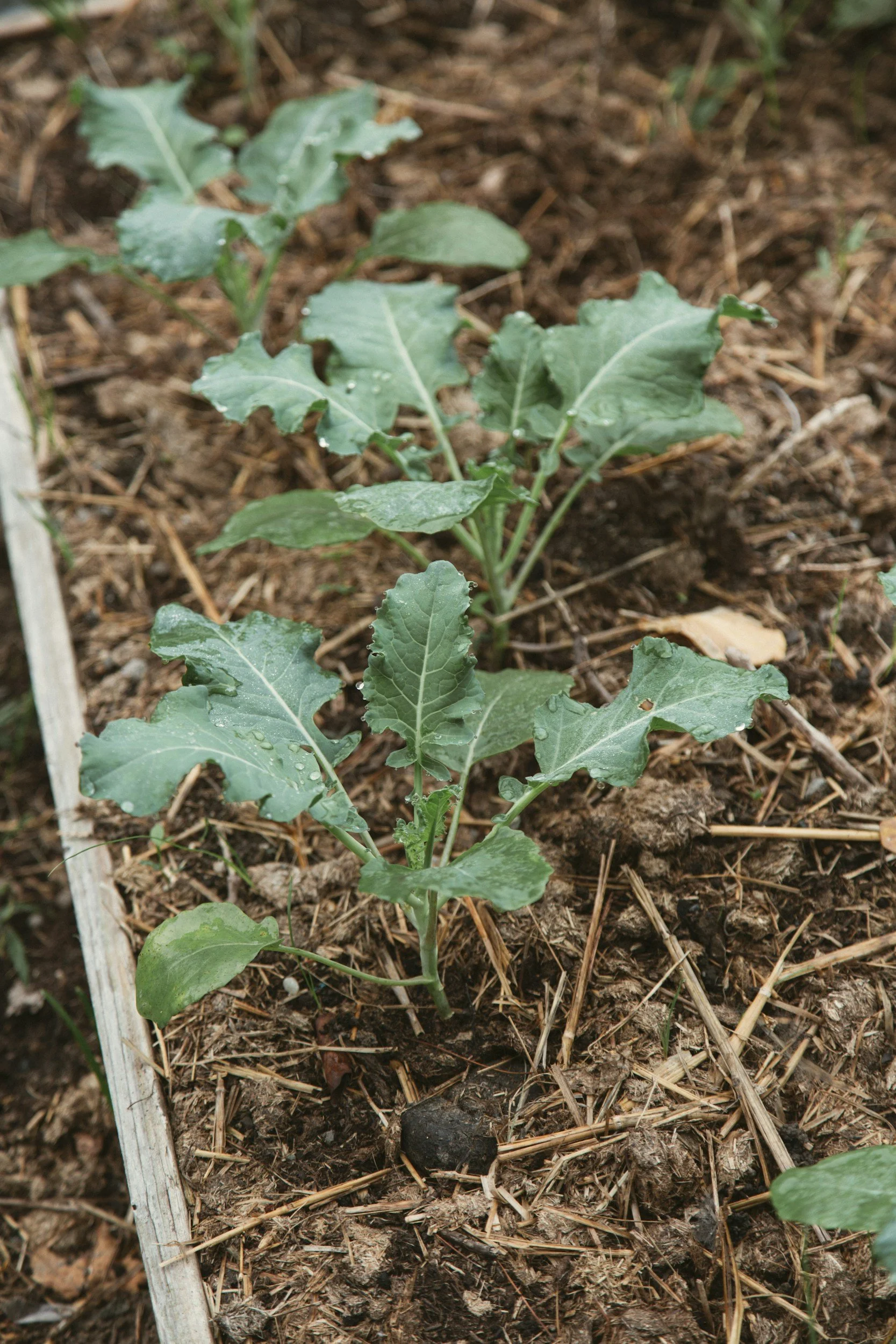
What to do instead: Cover empty beds with organic mulch, such as shredded leaves, straw, or finished compost.
Another option is planting a fall cover crop. Winter rye, crimson clover, and certain varieties of field peas can help protect soil, although their winter survival depends on your climate and planting date. Cover crops can also suppress weeds, improve soil structure, and, in the case of legumes, contribute nitrogen through biological nitrogen fixation. If it's too late to establish a cover crop, a protective mulch layer is an excellent alternative.
5. Throwing All Garden Debris Into the Compost Pile
Composting is one of the most sustainable ways to manage garden waste, but not everything belongs in a backyard compost bin. Plants heavily affected by fungal diseases, certain pests, or persistent weeds can create problems if composting conditions don't reach temperatures sufficient to destroy pathogens and seeds.
For example, tomato plants affected by some persistent diseases may carry pathogens into the following growing season if infected material isn't handled appropriately. Similarly, adding mature weed seeds or invasive plant fragments to a cool compost pile can unintentionally spread unwanted plants.
What to do instead: Separate healthy organic matter from potentially problematic debris.
Compost healthy leaves, vegetable stems, and untreated plant material. Dispose of severely diseased plants and invasive weeds according to local waste-management guidelines or use a composting system specifically capable of handling them safely.
Also remember that some insects overwinter in garden debris. Where disease and pest concerns are minimal, leaving some plant material, like fallen leaves, undisturbed may be more beneficial than composting everything.
6. Applying Fertilizer at the Wrong Time
Many gardeners assume that giving plants one final dose of fertilizer before winter will help them survive freezing temperatures. However, applying nitrogen-rich fertilizer late in the growing season can encourage new growth when plants should be entering dormancy. Tender growth may be damaged by frost, and nutrients that plants cannot absorb may be lost through runoff or leaching. This is particularly important for ornamental trees, shrubs, and perennial plants.
What to do instead: Avoid routine late-season fertilization unless a soil test or specific plant-care recommendation indicates a need.
Adding finished compost to garden beds can improve organic matter content without relying on heavy applications of soluble fertilizer.
Keep in mind that lawns have different nutritional requirements. In many cool-season grass regions, carefully timed fall fertilization can support root development and spring recovery. The key is to match fertilizer applications to the plant, soil conditions, and local growing season rather than treating every part of the garden the same way.
7. Forgetting to Protect Vulnerable Plants Before the First Hard Freeze
One of the most costly fall cleanup mistakes is focusing entirely on removing debris while overlooking plants that need protection. Young perennials, newly planted shrubs, container-grown plants, and certain vegetables can suffer damage when temperatures suddenly plunge. Container plants are particularly vulnerable because their roots are less insulated than those growing directly in the ground.
What to do instead: Identify plants that may need additional winter protection before freezing weather arrives.
Apply an appropriate layer of mulch around vulnerable perennials, keeping it away from crowns and woody stems. Move tender container plants into a sheltered location or indoors when necessary.
Use breathable frost cloth or row covers to protect cold-sensitive vegetables during brief temperature drops. Secure covers properly and remove or ventilate them when conditions warrant.
Also, continue watering newly planted trees and shrubs during dry autumn periods until the ground freezes. Adequate soil moisture can help reduce winter stress.
A Healthier Garden Starts With Less Cleanup
Preparing your garden for winter doesn't mean removing every leaf, cutting back every plant, or leaving every bed spotless.
In many cases, the healthiest approach is a more selective one: remove diseased material, protect vulnerable plants, preserve useful organic matter, and leave suitable habitats for wildlife.
This approach also reduces yard waste, saves time, and supports a more sustainable gardening routine.
Before starting your next fall cleanup session, ask yourself whether each task will genuinely benefit your garden or simply make it look tidier.
Sometimes, the best thing you can do for your garden before winter is to leave a little more of it alone.