


How to Reduce Food Waste during the Holiday Season
/The holiday meal is over, everyone is full, and you’re trying to fit a roasting pan, half a pie, and three bowls of side dishes into a refrigerator that was already crowded. A few days later, you find the green beans behind the cranberry sauce and wonder how you could have missed them earlier.
If that sounds familiar, the best time to tackle holiday food waste is before you go grocery shopping. A quick look through the kitchen, a menu built around what people actually eat, and a plan for leftovers can stretch your grocery budget and give you a few nights off from cooking after the festivities.
Shop your kitchen before you shop the store
Before you write your grocery list, open the refrigerator, freezer, and pantry. Look for ingredients you bought with good intentions and forgot about. A bag of frozen cranberries can become sauce, a loaf of bread can become stuffing, and a handful of pecans can top roasted squash. Check quantities as you go so you know whether you have enough for a recipe or need to buy a little more.
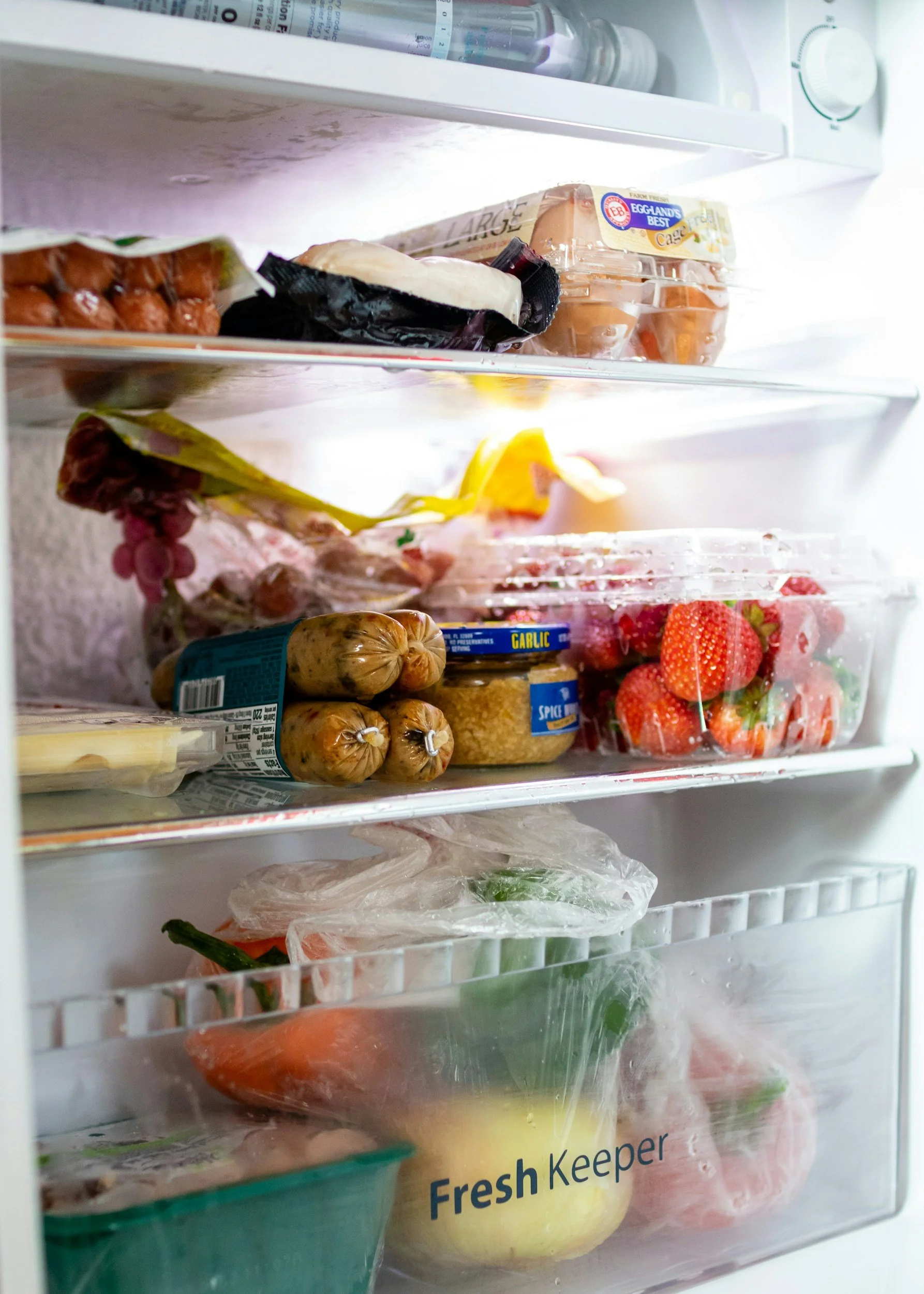
Darrien Staton 2unsplash
Use the days before the holiday to make room. Pull a meal from the freezer, turn odds and ends from the vegetable drawer into soup or stock, or put the foods you want to use first on one visible refrigerator shelf. Using small storage drawers for small pieces of cut veggies like onions and peppers can help you keep track of what needs to be consumed quickest. You’ll have fewer things to buy and more space for leftovers. A holiday meal planning guide will also offer more ideas for creating dishes from supplies you may already have on hand.
Plan portions around the people at your table
Start with a head count and think about who’s coming. How many people will eat the main dish? Are guests bringing sides or desserts? Which dishes usually disappear, and which ones are still in the fridge when you’re ready to move on? Last year’s leftovers can tell you more about how much to cook than a recipe’s serving estimate.
If you’re putting out several side dishes, guests may only take a spoonful or two of each. You might make a full batch of the family-favorite dressing and halve the recipe for a side that usually comes home with you. If you look forward to turkey sandwiches, plan for those extra portions when you shop. If it’s a potluck, keep a shared list so you can spot the third dessert while there’s still time for someone to bring a salad.
Give every extra ingredient a second job
Recipes often call for half a bunch of parsley, a splash of cream, or a few stalks of celery. Before buying an ingredient you rarely use, decide where the rest will go. Parsley can brighten a grain salad, cream can go into a pot of soup, and celery can add crunch to a sandwich filling. Better yet, look for two dishes on your holiday menu that can share an ingredient.
The same idea applies to sale items. A big bag of potatoes can be a good buy if you’ll make mashed potatoes for the holiday and roast the rest the following week. When the smaller bag covers everything you’re likely to cook, it may be the better deal for your household.
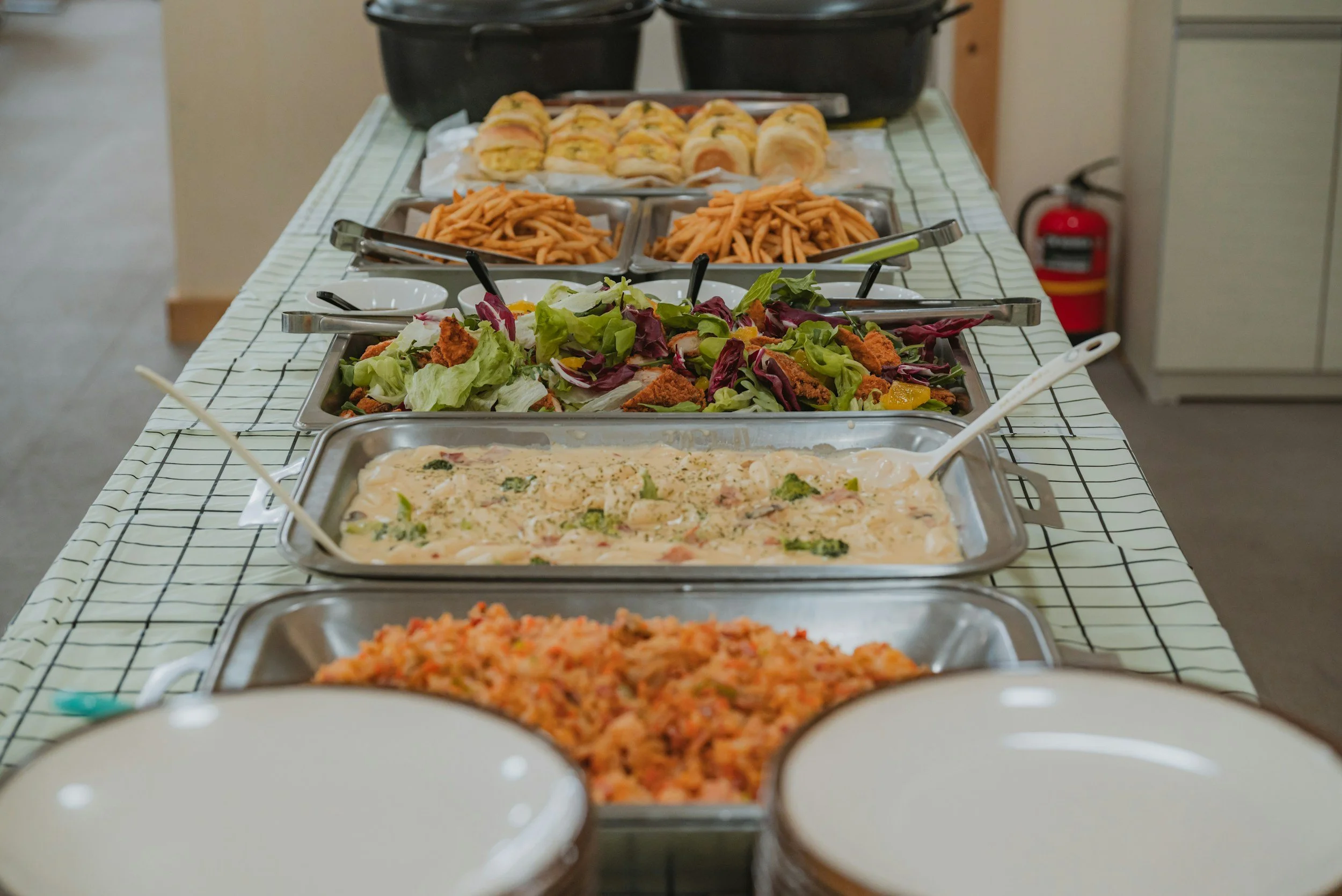
Seungmin Yoon @unsplash
Put out less food at a time and pack up promptly
For a buffet-style meal, set out smaller platters and replenish them as guests go back for seconds. Keep reserve portions properly chilled or hot until you need them. Smaller serving dishes are easier to swap out, and you can keep a batch of food for later if everyone fills up sooner than expected.
Have storage containers ready before dinner. Health Canada advises refrigerating leftovers promptly and washing your hands with soap and water before and after handling them. Divide large batches into shallow containers so they cool quickly. If you’re short on space, storing them in leak-proof plastic bags is a great alternative to plastic tubs, and also works well to prevent cross-contamination. Label leftovers with the contents and date, then eat refrigerated food within two to three days or freeze them for later.
Make a plan for the day after
Decide what you’ll do with the leftovers while you’re still planning your holiday menu. Turkey and cranberry sauce can go into toasted sandwiches. Roasted vegetables can become the filling for a frittata or the base of a grain bowl. Extra rolls can become croutons, and mashed potatoes can top a vegetable pot pie. Leftover stuffing can easily be made into meatballs: add water, chopped pieces of turkey (chicken and duck also work well), 1 egg, breadcrumbs, and 1 tablespoon of flour to the stuffing, mix well until sticky and stiff, form into balls, then bake in a 350° F oven for about 20 minutes.
If you’ll be traveling or eating out after the holiday, freeze the extra portions as soon as you’ve cooled them safely. Pack soup in lunch-sized portions or slice leftover pie before freezing so you can take out what you want. If guests would like to bring food home, invite them to bring containers and keep their portions refrigerated until they leave, or keep to-go clamshell containers on hand to distribute after dinner and before guests head home.
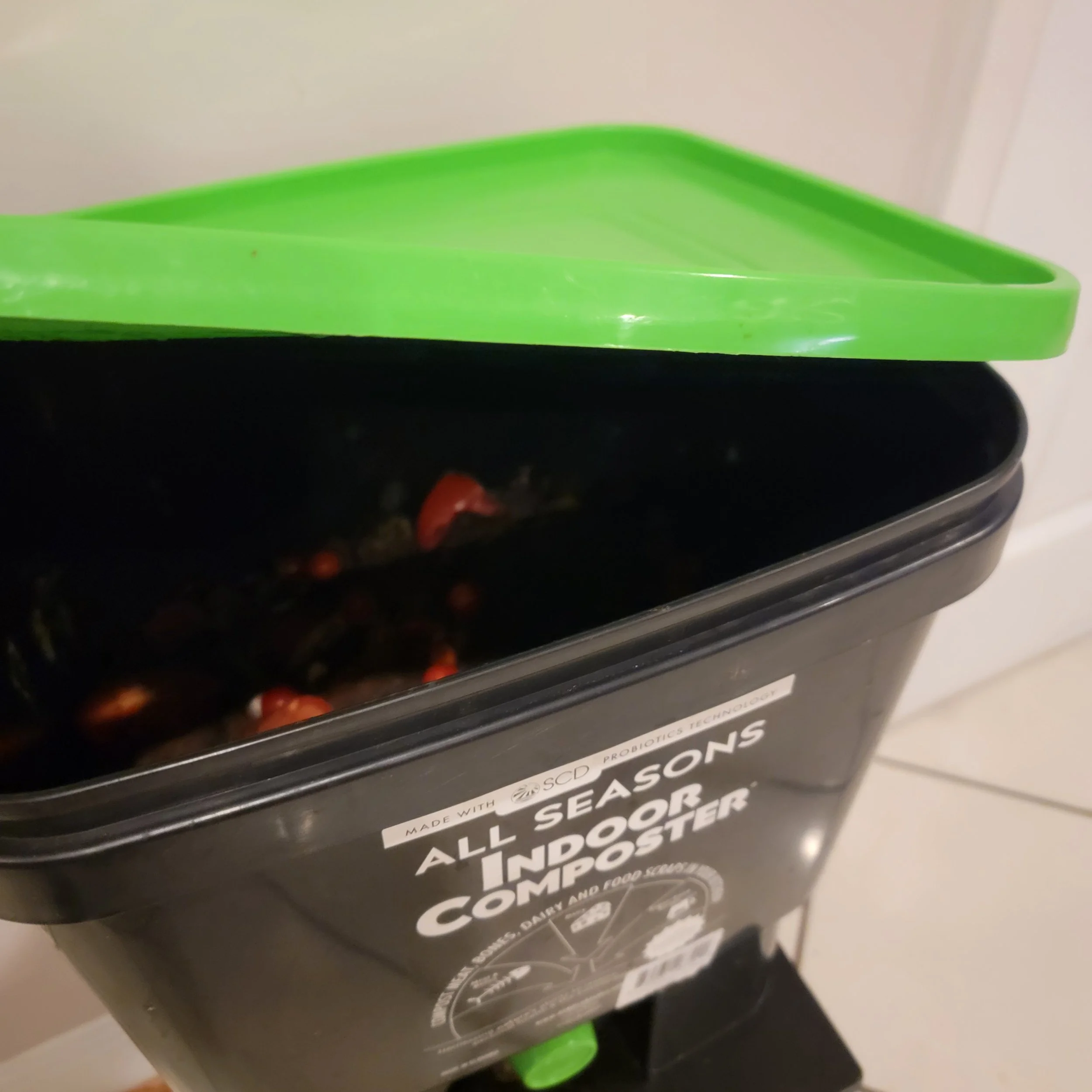
image by Green and prosperous
Compost the scraps you can’t use
Some scraps, like onion skins or tough stems, may be left over even after you’ve used what you can. If you make stock regularly, save clean vegetable trimmings you’d enjoy in a broth and give them a spot in the freezer. If you already have two bags of trimmings and rarely make stock, put the new scraps in the compost instead. If you have a Bokashi bin, you can compost small amounts of meat and cooked food in it.
For a backyard compost pile, fruit and vegetable trimmings can go in with dry leaves or other browns. If you use a municipal or community food scrap collection service, check what it accepts, especially when you’re dealing with bones, meat, or dairy. Put the scrap bowl next to your cutting board while you prep so it’s easy to collect what’s left.
It’s not hard to start with one small change this holiday season. Before you make your next grocery list, take five minutes to see what’s already in the kitchen and build one dish around it. Then pick a meal you’ll make from the leftovers. You’ll buy a little less, have a head start on dinner after the holiday, and make it easier to enjoy the food you spent time preparing.
Double-click to edit...
It’s not hard to start with one small change to be a little eco-friendlier this holiday season. Before you make your next grocery list, take five minutes to see what’s already in the kitchen and build one dish around it. Then pick a meal you’ll make from the leftovers. You’ll buy a little less, have a head start on dinner after the holiday, and make it easier to enjoy the food you spent time preparing.