


Is your olive oil losing its health benefits? What light, heat and air do to polyphenols
/Most of us pay extra for extra virgin olive oil for one reason: we've heard it's good for us. The bottle comes home, gets parked next to the stove, and slowly works its way down over the next few months. By the time we reach the last third, a good share of what made it worth the price may already be gone.
The problem isn't the oil itself. It's what happens around it: the light that hits the bottle, the heat from the burners, and the air that gets in every time we open the cap. Here's what the research says about how quickly olive oil loses its most valuable compounds, and the simple buying and storage habits that keep more of them on your plate.
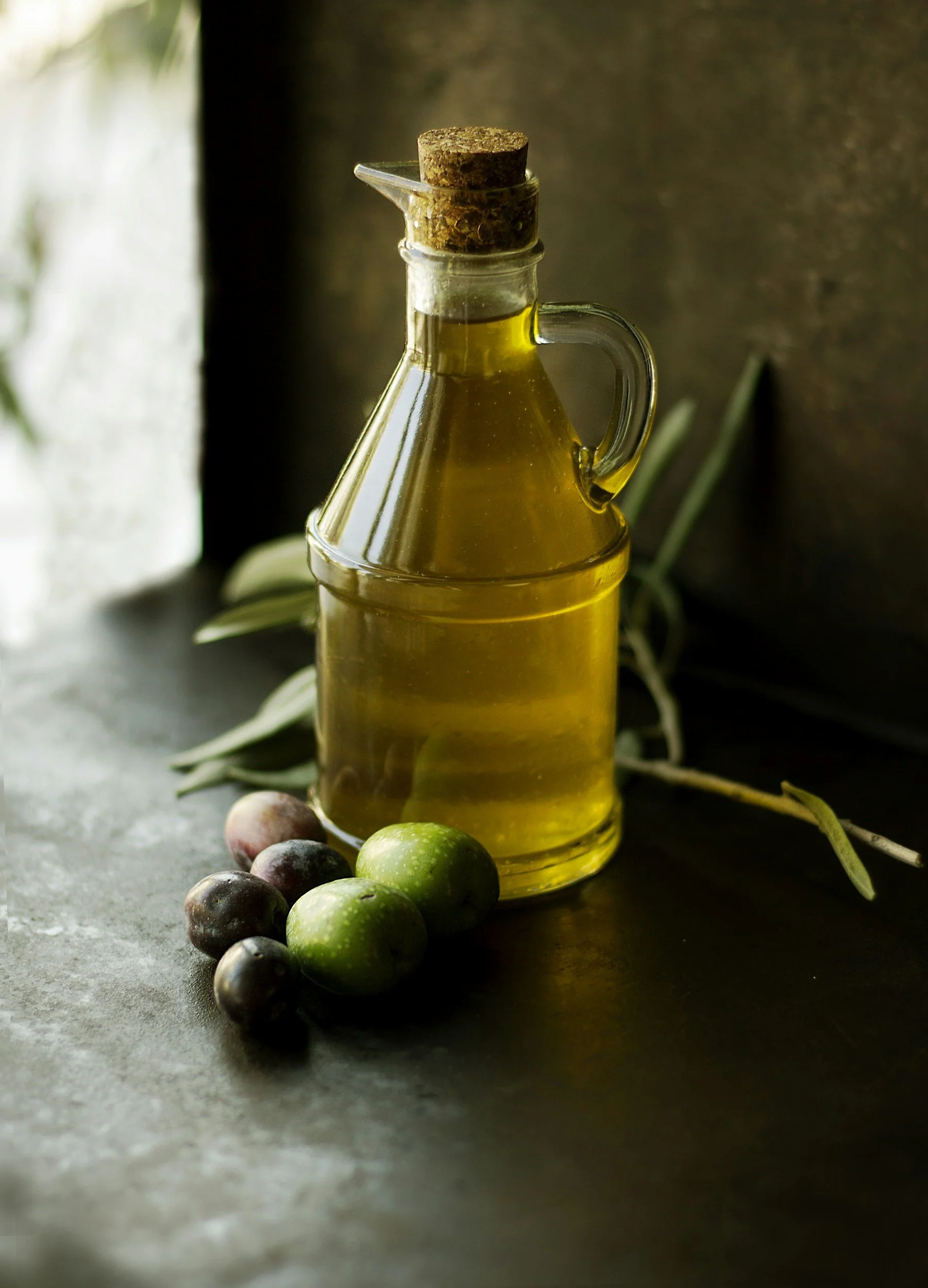
Roberta Sorge @unsplash
What makes extra virgin olive oil "healthy" in the first place
Olive oil is almost entirely fat. Its reputation, though, rests largely on a tiny fraction of minor compounds, especially phenolic compounds, usually called polyphenols. They give a fresh oil its grassy bitterness and the peppery tickle at the back of the throat. They are also antioxidants that protect the oil itself from going rancid.
Polyphenols are taken seriously enough that the European Union regulates what producers can say about them. Under Commission Regulation (EU) No 432/2012, a label may state that "olive oil polyphenols contribute to the protection of blood lipids from oxidative stress" only if the oil contains at least 5 mg of hydroxytyrosol and its derivatives per 20 grams of oil, which is about a tablespoon and a half. The benefit is linked to eating that amount every day.
Not every extra virgin oil reaches that level. Polyphenol content depends on the olive variety, how ripe the fruit was at harvest, the climate and how the oil was processed. And whatever the starting level, it only moves in one direction once the oil is made: down.
The three enemies: light, heat and oxygen
The International Olive Council (IOC), the intergovernmental body that sets olive oil standards, is blunt in its best practice guidelines for storing olive oil: light is the main threat to quality, heat is the second, and oxygen drives the oxidation that eventually turns oil rancid. Unlike wine, olive oil never improves with age.
Lab studies show how big the difference can be:
Packaging matters. In a study published in the Journal of Food Science and Technology, the same Tunisian extra virgin oil started at 363 mg/kg of total phenols. After six months under diffused light at room temperature, oil in clear glass had fallen to 206 mg/kg, a loss of about 43 percent. Oil in dark glass kept 261 mg/kg and oil in tin kept 270 mg/kg, losses of roughly 28 and 26 percent. Plastic did worst, at 193 mg/kg.
Light keeps doing damage over time. A 2019 Spanish study followed three oils for a year in dark glass and plastic, in the dark or in the light. Light exposure hurt both quality and flavor and lowered total phenolics, with the steepest losses in plastic containers left in the light. The authors' advice: store extra virgin olive oil in dark glass, in the dark.
Even the dark only slows the clock. In a 2025 Italian study, oil kept in clear glass bottles near a window lost about 65 percent of its total phenols over two years. The same oil kept in the dark still lost about 48 percent.
That last result is worth sitting with. Good storage doesn't freeze olive oil in time. It buys you months. The rest comes down to buying fresh oil and finishing it while it's still at its best.
Read the bottle before you buy
Freshness is largely decided before the oil reaches your kitchen, so the most effective step happens in the store.
Look for a harvest date. A "best by" date is set by the producer and is often a year and a half or more after the oil was made, so it says little about freshness. A harvest date, or a harvest season such as "2026/27," tells you how old the oil really is. Olives in the Northern Hemisphere are mostly harvested between October and January, so the newest oils start appearing over the winter.
Choose packaging that blocks light. Dark glass, tin and bag-in-box containers protect oil far better than clear glass or clear plastic.
Skip the sunny shelf. A bottle that has spent weeks under bright store lights or near a window has already started to fade. Reach for one from the back of the shelf, or from a closed box.
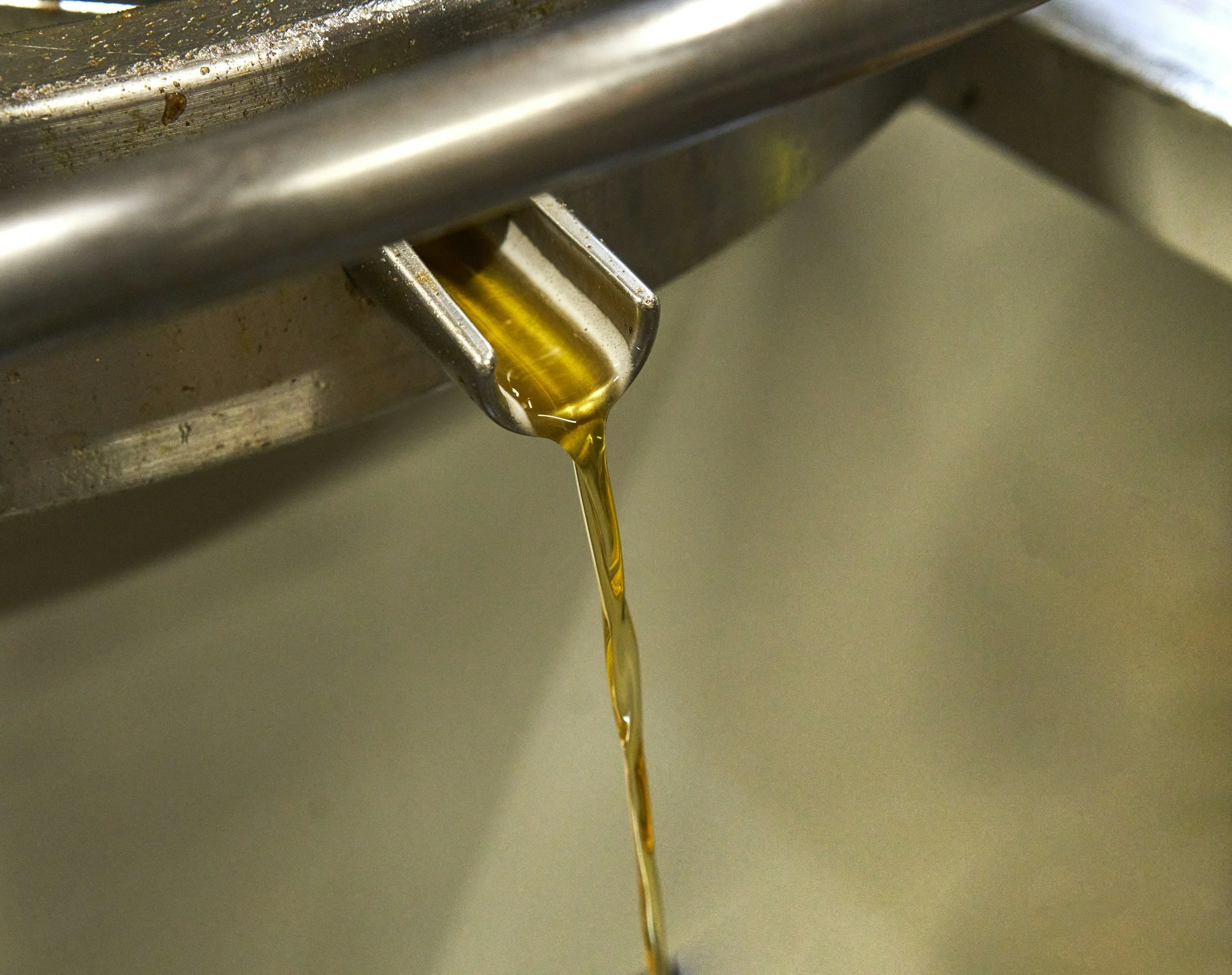
Xavier von Erlach @unsplash
What happens at the mill matters too. Producers who let the oil settle, separate it from its sediment promptly and bottle it in dark glass with as little air as possible protect more of its polyphenols. Some bottling equipment even creates a vacuum or adds inert gas to push oxygen out of the gap above the oil. If you're curious about these choices, from natural settling and filtration to the shelf life of filtered and unfiltered oils, this explainer on when and how olive oil is bottled walks through them step by step.
The open-bottle problem (and why bigger isn't always greener)
Once you break the seal, air gets in with every pour, and the empty space above the oil keeps growing. The IOC recommends finishing an opened container within one to three months and buying sizes that match one to three months of use.
That puts eco-minded shoppers in a bind. A 3-liter tin or a bulk refill looks like the low-waste choice, with less packaging per liter and fewer trips to the store. But if it takes you six months to get through it, the last liters will have lost much of what you paid for. A few ways to get both benefits:
Buy big, decant small. The IOC suggests transferring oil from large 3- to 5-liter tins into smaller containers made of dark glass, ceramic or stainless steel. Fill the small one close to the top and keep the big tin sealed, cool and dark. Avoid iron containers, which speed up oxidation.
Reuse the right bottle. A clean, completely dry dark-glass bottle with a tight cap makes an excellent refill container. A clear decorative cruet next to the stove does not.
Ask refill shops how the oil is kept. A sealed stainless steel dispenser or a bag-in-box protects the oil; an open or clear container under bright lights doesn't. Ask when the current batch was opened, too.
Split a big tin. Sharing a large container with a neighbor or family member gets you the bulk price and less packaging, while each household's share stays fresh.
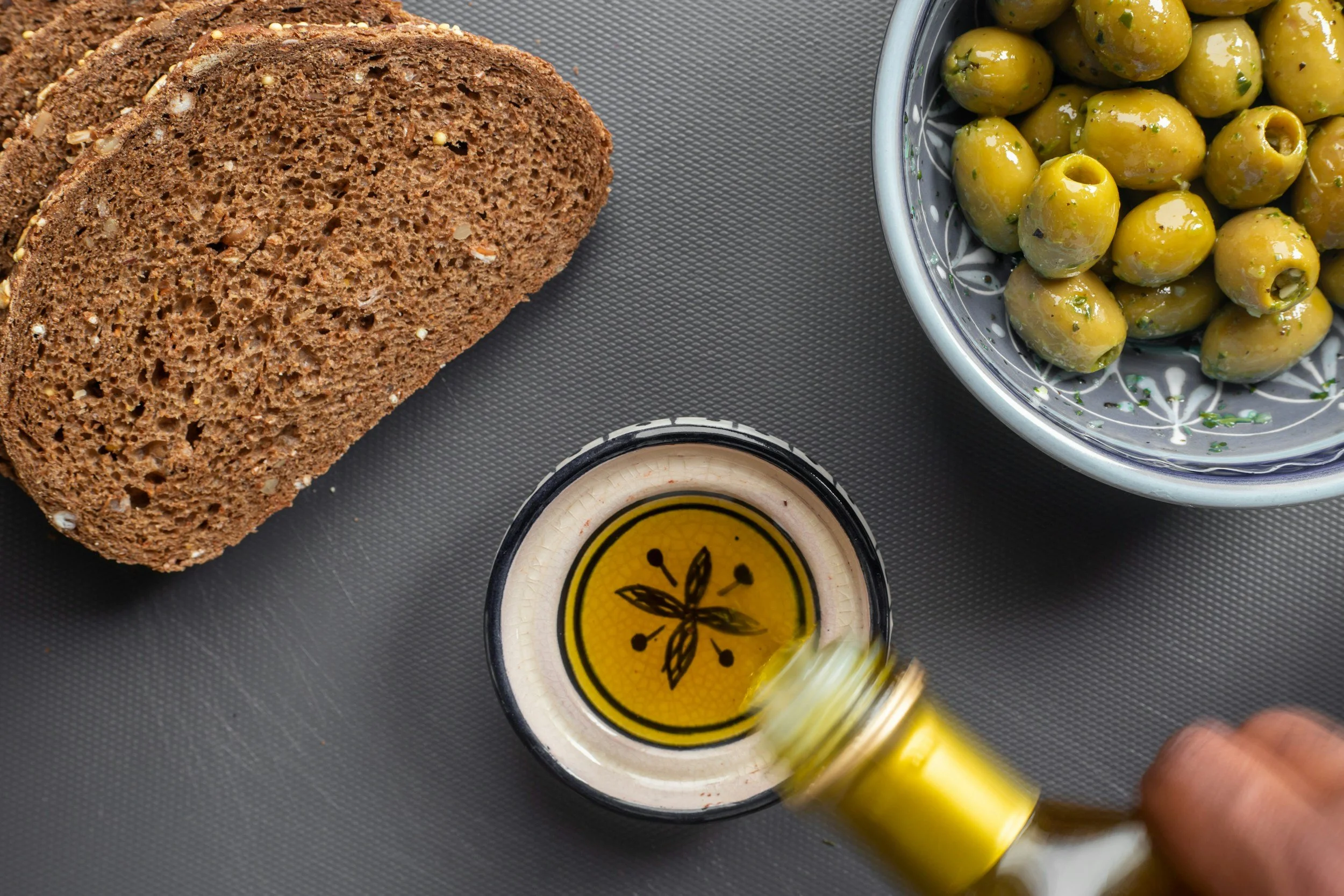
Louis Hansel @unsplash
How to store olive oil at home
Keep it cool, not cold. The IOC recommends 13 to 25°C (55 to 77°F). A closed cupboard away from the stove, oven, radiators and sunny windows is ideal.
Keep it in the dark. If your bottle is clear, keep it in its box or wrap it in foil.
Close it right after pouring. Don't leave pour spouts open between uses.
Keep it away from strong smells. Olive oil easily absorbs odors from detergents, paint, smoke and cooking fumes.
Refrigeration is optional. Around 4°C (39°F) slows oxidation, and any clouding or crystals that form are harmless and disappear at room temperature. With unfiltered oils, though, the IOC notes that cold can affect suspended particles and lower polyphenol content, so a cool cupboard is usually the better choice.
Trust your nose. A smell like crayons, putty or stale nuts means the oil is oxidizing. At that point it has lost much of its flavor and antioxidant value, and it's time to replace it.
The bottom line
The healthiest olive oil isn't the one with the most impressive label. It's the one that is still fresh when you use it. If you want to make olive oil a key dietary component of your overall healthy lifestyle, buy a recent harvest in dark glass or tin, choose a size you'll finish in a few months, and keep it cool, dark and tightly closed. These are small habits, but they decide whether you're drizzling polyphenols on your salad or an oil that has quietly lost most of what you paid for.
About the Author:
Stefano Torregrossa is a freelance SEO specialist based in Italy. He helps food and wine producers and industrial manufacturers reach readers in Italian, English, Spanish, French and Portuguese, with a particular interest in how Mediterranean foods such as olive oil and wine and made and preserved.