


Why Responsible Tree Removal Is One of the Best Things You Can Do for Your Urban Landscape
/Trees are among the most valuable assets a property can have. They provide shade, improve air quality, support local wildlife, and add measurable value to residential and commercial real estate. But trees, like all living things, have a lifecycle. When a tree becomes diseased, structurally compromised, or simply no longer suited to its environment, removing it thoughtfully and responsibly is not an act of environmental neglect. It is, in fact, one of the most proactive steps a property owner can take to protect the health of the surrounding landscape and the safety of everyone who uses it.
Understanding When Tree Removal Becomes the Right Choice
Many property owners hesitate when a tree shows signs of decline, hoping that time or a little extra care will turn things around. In some cases, that optimism is warranted. Certified arborists can treat many diseases, manage pest infestations, and prune damaged limbs to extend a tree's productive life. But there are situations where removal is not just advisable, it is essential.
Christi M @unsplash
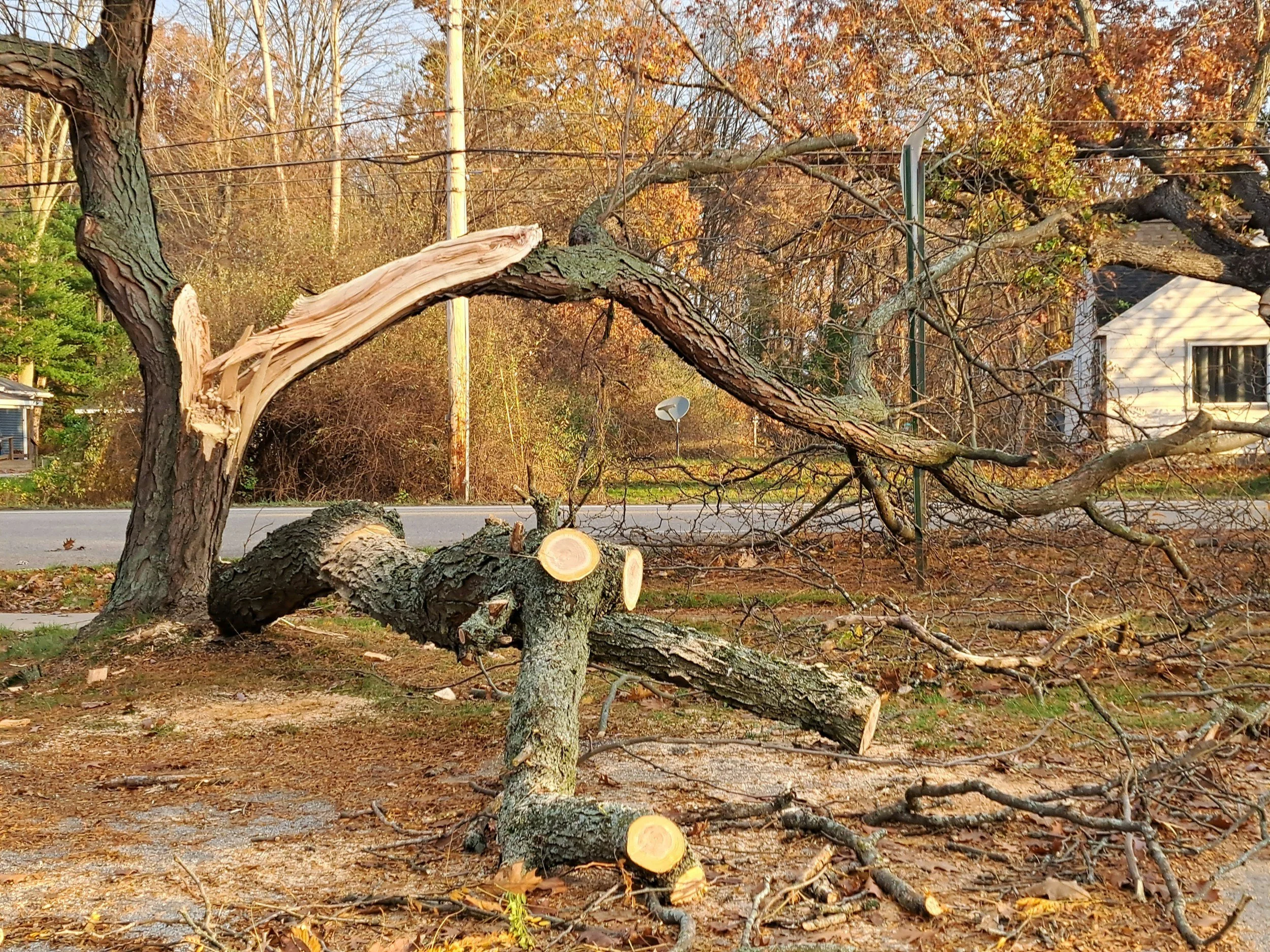
A tree with significant root damage, a hollow trunk, or advanced fungal infection poses a genuine structural risk. During storms or high winds, compromised trees are far more likely to fall, and the consequences can be severe. Falling limbs or toppled trees can damage homes, vehicles, power lines, and, most critically, injure or kill people. In densely populated urban environments, the stakes are even higher. Recognizing the warning signs early and acting decisively is a mark of responsible land stewardship, not indifference to nature.
The Environmental Case for Strategic Removal
It might seem counterintuitive to argue that removing a tree can benefit the environment, but the evidence strongly supports this view when removal is handled strategically. A dying or dead tree can harbor invasive pests and pathogens that spread to neighboring healthy trees. Dutch elm disease and emerald ash borer infestations, for example, have devastated tree populations across North America precisely because infected trees were not identified and removed quickly enough.
Beyond disease management, removing a struggling tree opens up canopy space and soil resources for healthier, better-adapted species to thrive. Urban foresters and landscape ecologists increasingly advocate for what is sometimes called "right tree, right place" planning, which involves not only planting the most suitable species for a given location but also removing those that no longer serve the ecosystem well. According to the EPA, urban green spaces and tree canopy coverage play a meaningful role in managing stormwater runoff, reducing the urban heat island effect, and improving local air quality, all of which depend on a healthy, well-managed tree population rather than simply the largest number of trees.
Richard Burlton @unsplash
Why Professional Expertise Makes All the Difference
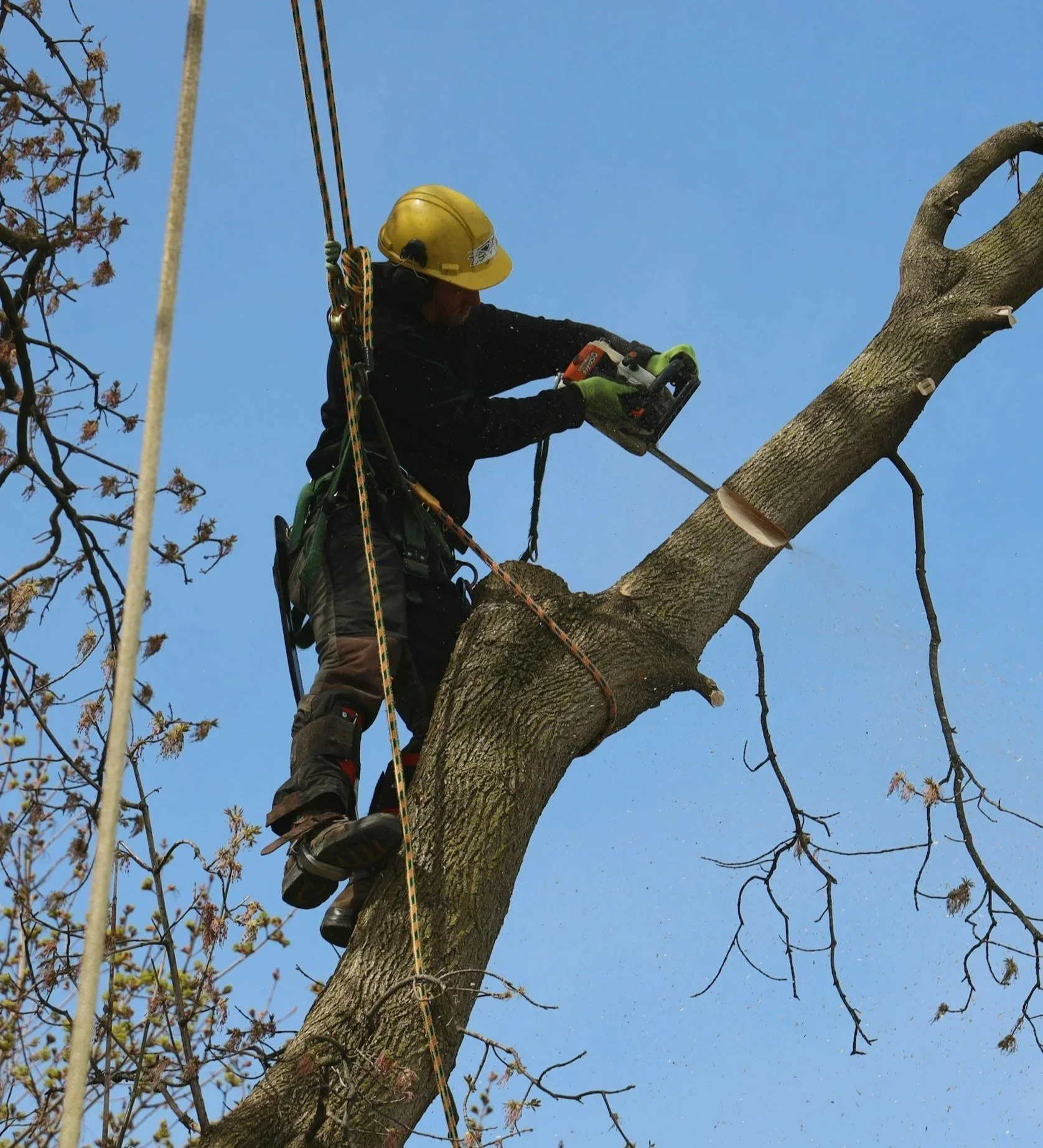
Tree removal is not a DIY project. Even relatively small trees can present significant hazards when being felled, particularly in urban settings where homes, fences, utility lines, and other structures are nearby. Professional arborists bring a combination of technical skill, specialized equipment, and site assessment knowledge that simply cannot be replicated with a chainsaw and a weekend afternoon.
Reputable tree care companies follow industry standards set by organizations like the International Society of Arboriculture, which certifies arborists and promotes evidence-based practices in tree care. They assess the direction of fall, account for root systems and underground utilities, and use rigging techniques to control exactly how and where a tree comes down. In cities like Seattle, where residential neighborhoods are dense and mature trees are abundant, this level of precision is not optional. Professional seattle tree removal services combine local knowledge of the region's tree species, soil conditions, and municipal regulations with the technical expertise to execute removal safely and cleanly.
What Happens After the Tree Comes Down
One of the most encouraging aspects of responsible tree removal is what comes next. The removal of a problematic tree rarely marks the end of a landscape's story. It often marks the beginning of a more thoughtful chapter. Once a hazardous or diseased tree is gone, property owners have the opportunity to replant with species that are better suited to the site's conditions, more resistant to local pests, and more beneficial to the surrounding ecosystem.
In the Pacific Northwest, for instance, native species like Pacific dogwood, vine maple, and western red cedar offer exceptional ecological value and tend to thrive with minimal intervention once established. Stump grinding, which typically accompanies professional removal, eliminates a potential source of fungal disease and allows new planting to proceed without competition from decaying root systems. Many homeowners find that the removal of one unhealthy tree, followed by thoughtful replanting, dramatically improves both the visual appeal and the ecological function of their property.
The Long-Term Value of Proactive Tree Management
Treating tree care as a long-term investment rather than a reactive expense is one of the hallmarks of excellent property management. Regular assessments by certified arborists can catch problems early, when options are still broad and costs are manageable. Waiting until a tree becomes an emergency situation almost always results in higher costs, greater risk, and fewer choices.
Abeer Zaki @unsplash
There is also a financial dimension worth considering. Well-maintained trees in good health add significant value to residential properties, with studies consistently showing that mature, healthy trees can increase property values by a meaningful percentage. Conversely, a visibly diseased or structurally dangerous tree can deter buyers, raise insurance concerns, and create liability exposure. Proactive management, including removal when it is genuinely warranted, protects that investment over time.
Beyond the individual property, there is a broader civic dimension to responsible tree care. Urban forests are shared resources. The decisions that individual property owners make about their trees have ripple effects on neighboring properties, local wildlife corridors, and the overall health of the urban canopy. Taking those decisions seriously, and seeking qualified professional guidance when needed, is a contribution to the community as much as it is a benefit to the individual.
Responsible tree removal, when approached with the right expertise and the right intentions, is ultimately an act of care. It protects people, preserves the health of surrounding trees, and creates the conditions for a more resilient and beautiful landscape to grow in its place. That is a legacy worth investing in.
About the Author:
Sikandar Hayat is an SEO content strategist and outreach specialist with experience creating authoritative, research-backed content across healthcare, wellness, technology, and business niches. He specializes in producing reader-focused articles that simplify complex topics while following SEO best practices and Google's EEAT principles. When he's not writing, he helps brands improve their online visibility through strategic link building, digital PR, and content marketing." Connect with him on Linkedin at https://www.linkedin.com/in/sikandar-hayat09/.