



How to Build a Lower-Waste Skincare Routine That Actually Works
/Skincare has become surprisingly easy to overcomplicate. A cleanser leads to a toner, then a serum, an exfoliant, another serum, an eye cream, a mask, and several products bought because they looked promising online. Before long, the bathroom cabinet contains half-used bottles that may expire before they are finished. That costs money and creates packaging waste without necessarily producing better skin.
A lower-waste skincare routine takes a different approach. The goal is not to own the fewest possible products or replace everything with something labeled green. It is to choose products that have a clear purpose, use them consistently, and avoid purchases that duplicate what is already on the shelf. Packaging matters too, but so do product effectiveness, skin tolerance, and how often an item will actually be used. A sustainable routine works best when skin health and responsible consumption support each other.

Christian Agbede @unsplash
Start With the Jobs Your Routine Needs to Do
Most people do not need ten separate products every morning and night. A practical routine starts with a few basic jobs: cleansing the skin without excessive irritation, maintaining hydration, protecting exposed skin from ultraviolet radiation, and addressing specific concerns when necessary.
A gentle cleanser, suitable moisturizer, and broad-spectrum sunscreen with SPF 30 or higher can form a solid foundation. A targeted product may then be added for a real need, such as acne, uneven pigmentation, or signs of photoaging. Adding several products that perform nearly identical jobs often adds complexity rather than value.
It also helps to separate problems that home skincare can reasonably influence from concerns that may need a different approach. Moisturizers can improve dryness. Sunscreen helps prevent additional UV damage. Retinoids and other active ingredients can produce gradual improvements in selected concerns. They cannot solve every structural change in the skin.
Someone repeatedly purchasing stronger exfoliants and serums for deeper acne scars or pronounced textural changes may eventually be spending money on products that are not designed to reach the problem. At that point, researching a professional option such as CO2 laser NYC treatment can be more useful than continuing to experiment with new bottles. CO2 resurfacing is an ablative laser procedure used for selected scars, wrinkles, sun-related changes, and uneven texture. It also involves recovery and potential risks, so professional assessment matters. Dr. Rokhsar is among the physicians who evaluate these concerns individually before deciding whether laser resurfacing is appropriate.


pmv chamara @unsplash
Refillable Packaging Works Only When People Keep Refilling It
Refillable skincare sounds like an obvious environmental improvement, but the details matter. A durable container only makes sense when someone likes the product enough to buy the refill again. A heavy reusable jar that is discarded after one cycle has missed much of the point.
Current consumer research shows why usability matters. 2026 research from the Sustainable Packaging Coalition surveyed 1,344 U.S. skincare users and found that 55% were interested in refillable body or hand creams and lotions, while 48% showed interest in refillable moisturizers, face oils, or eye creams. Interest in refillable cleansers and toners reached 35%. The study also found that 57% considered ease of refilling important, while 59% valued an easy-to-use refill mechanism.
Those numbers point to a practical lesson. Sustainability features have to work during ordinary mornings and evenings, not just sound appealing on the package.

Do Not Judge Sustainability by Packaging Appearance Alone
Glass bottles, paper cartons, aluminum tubes, refill pouches, and plant-inspired branding can all create a greener visual impression. Appearance is not enough to judge environmental impact.
Glass can be recyclable, but it is heavier than many plastics and requires more energy to transport. Pumps and droppers may combine several materials that are difficult to separate. Small cosmetic components can also be challenging for municipal recycling systems. A cardboard outer box may be recyclable, but it still represents extra material if the product does not need secondary packaging.
The useful question is not simply whether a package looks natural. Consider how much material is used, whether the packaging can be recycled locally, how frequently the product is repurchased, and whether a refill system will actually be reused. A lightweight package for a product that gets completely finished may sometimes be a more sensible choice than a premium reusable container that is abandoned after one purchase.
Avoid Ingredient Overlap That Adds Cost and Irritation
More active ingredients do not automatically create faster results. Using several exfoliating acids, retinoids, scrubs, or other potentially irritating products at the same time can leave skin dry, uncomfortable, or inflamed. That can lead to another round of purchases intended to repair the irritation caused by the original routine.
Read ingredient lists and understand what each product is supposed to accomplish. If two products have the same main function, there may be little reason to use both. This matters most with strong active ingredients, where more frequent application may increase irritation rather than improve results.
A useful buying rule is simple. Before adding a product, ask what specific job it will perform that nothing currently in the routine already does. If there is no clear answer, the purchase is probably optional.
Make New Purchases More Deliberate
Lower-waste skincare does not require perfect purchasing decisions. It requires fewer impulsive ones. Before ordering something new, ask:
What skin concern am I trying to address?
Do I already have a product with the same purpose?
Will I use this consistently enough to finish it?
Does the packaging offer a realistic refill, reuse, or recycling option?
Am I buying it because I need it, or because the product is trending?
This small check can prevent a surprising amount of clutter. It also shifts attention away from collecting products and toward building a routine that is easy to follow.
Build a Routine You Can Keep
The best lower-waste skincare routine is not necessarily the most minimalist or the one with the most eco-friendly labels. It is the routine in which each product has a reason to be there.
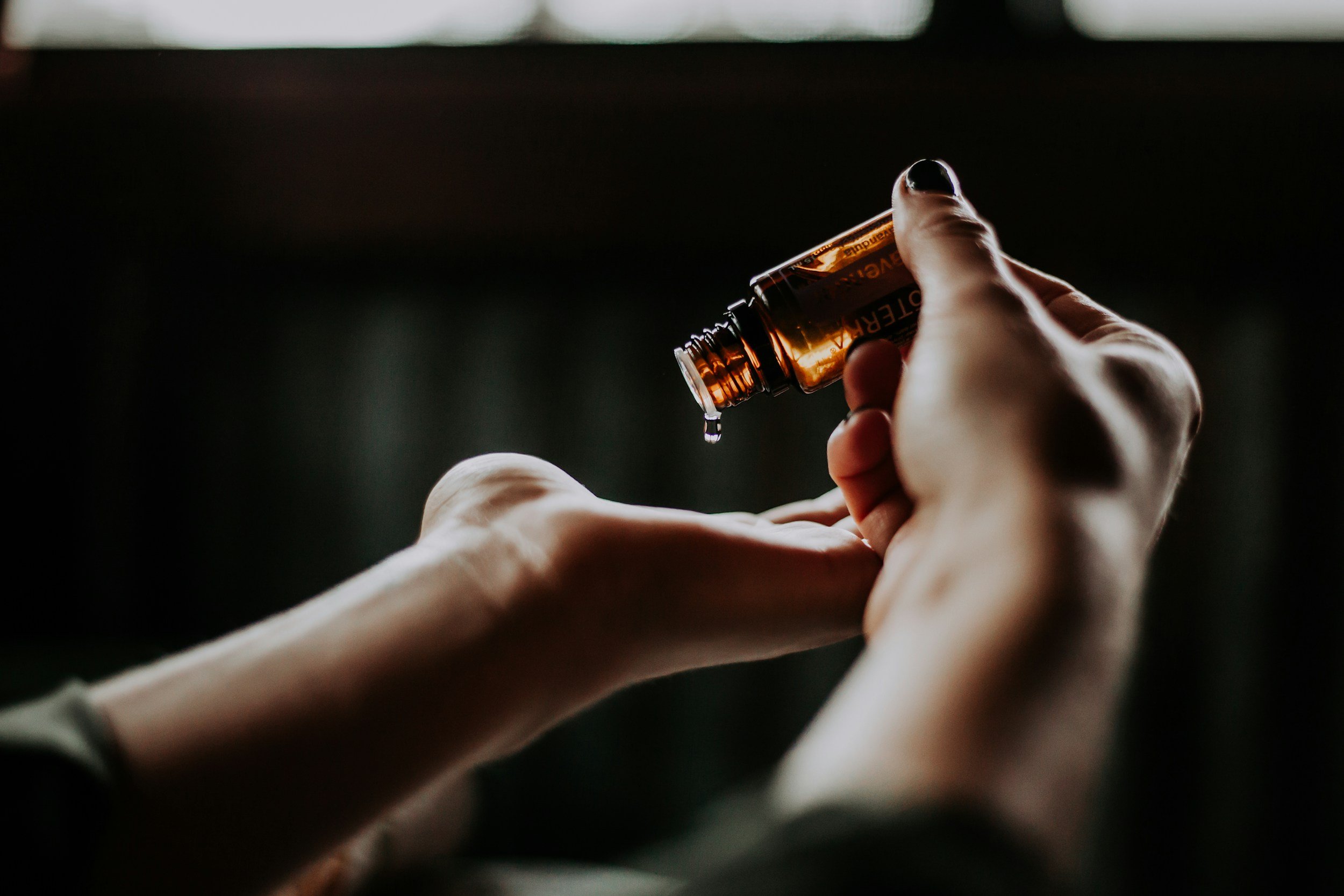
Christin Hume @unsplash
Start with basic skin needs. Add targeted products only when they serve a defined purpose. Give suitable products time to work, finish what you buy, and choose refillable or lower-packaging options when they fit your actual habits. If a concern falls outside what topical skincare can realistically address, seek qualified advice instead of endlessly adding new products.
That approach is better for the bathroom cabinet, easier on the budget, and more consistent with responsible consumption. It also keeps the main goal where it belongs: caring for your skin without turning skincare into a cycle of unnecessary buying.
About the Author:
Dr. Cameron Rokhsar is a double board-certified dermatologist and fellowship-trained laser and Mohs surgeon specializing in advanced cosmetic and medical dermatology. A Harvard and NYU School of Medicine graduate, he is the founder and medical director of the New York Cosmetic, Skin & Laser Surgery Center, serving patients in Manhattan and Long Island.