


Food waste is a major problem around the world. It is an issue that many people don’t think about, or associate primarily with farms, which experience a loss of about 30% of their produce annually, according to the UN’s Food and Agriculture Organization. In the US and Europe, much of this waste happens because the food on farms is deemed “unfit” for consumer markets.
Did you know, however, that more food waste occurs in individual homes? This means that each person has the ability to address this major environmental problem by making a few changes in how they handle the food they buy and eat. Learning to grow some of your own food also helps tackle the problem of food waste and creates a more sustainable household.
Food waste is also one of the most overlooked contributors to environmental damage and household overspending. In the United States alone, millions of tons of edible food are discarded every year, much of it from our own refrigerators and pantries. The good news is that reducing food waste at home does not require perfection or extreme lifestyle changes. It starts with small, consistent habits: smarter meal planning, better food storage, creative use of leftovers, and mindful grocery shopping. When you reduce food waste, you not only lower your grocery bills, but also cut methane emissions from landfills, conserve water and energy, and move closer to a more sustainable kitchen routine. If you compost your food, you can also save more food from a landfill and close the loop by making something that is useful for your garden or landscape. You can even compost in winter with traditional composting methods or a more versatile Bokashi bin.
Tackling food waste is not about guilt. It is about building practical systems that make everyday life more efficient, affordable, and eco-friendly. It’s also a great way to reduce your environmental footprint and create a more sustainable lifestyle while saving money.
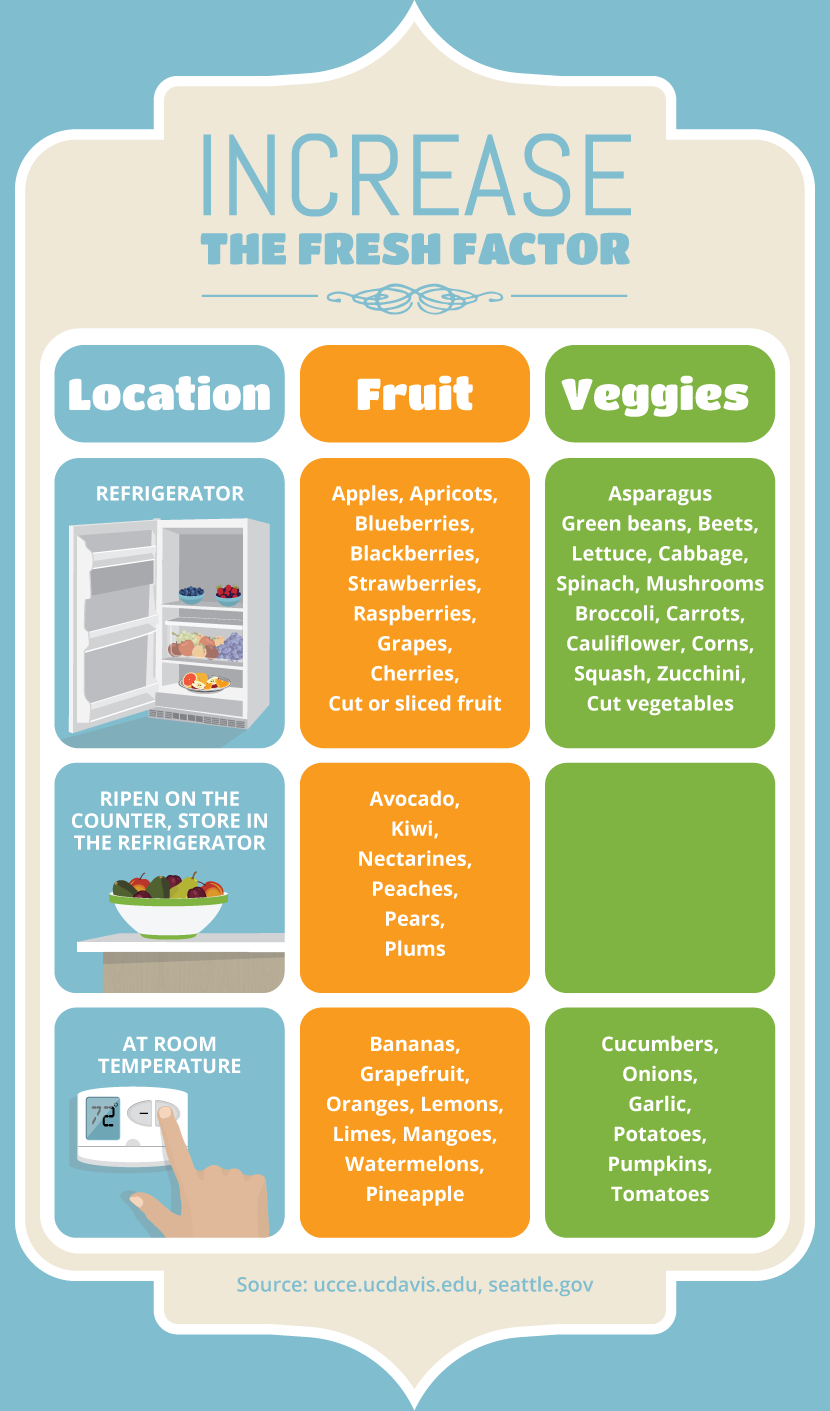
The infographic below shares more information on how you can tackle food waste in your own home.
About the Author:
This article was written by Jodi Helmer for eReplacement Parts.
Jodi Helmer is from North Carolina, and writes about all things food, green living, travel, health, and farming. Her writing has been featured in National Geographic Traveler, CNNMoney, and Hemispheres, to name a few.
Want to know more about how to tackle food waste in your own home? The 2nd green guidebook, Go Green without Going Broke, has the tips and tools you need. Find out more by clicking the image below.