6 Eco-Friendly Ways to Maintain Your Yard This Spring
/
If you own a home, odds are good you have ideas about how your dream lawn should look. Making that vision a reality typically involves landscaping work.
Read More

these blog pages contain affiliate links which may earn Green and Prosperous a small commission if you click or purchase products using them. You can find our privacy statement here.

If you own a home, odds are good you have ideas about how your dream lawn should look. Making that vision a reality typically involves landscaping work.
Read MoreGuest post and infographic by Customlabels.net
Nowadays, people are more aware of the impact their purchasing decisions can have on the environment. In order to reduce their ecological footprint and negative impact on the natural world, a growing number of consumers have decided to buy products that will do less harm to the environment. They avoid buying bottled water, use their own grocery bags and choose eco-friendly products as much as possible.
Today, various products can have an “eco-friendly” or “green” inscription on their packages, but sometimes these statements can be false. So if you want to be sure that you are buying a product that is produced with a more controlled, less detrimental impact on nature, you should look for eco-labels on its packaging.
Eco-labels are certificates that mean that higher standards of environmental protection are upheld during all stages of the product's life cycle. Eco-labels are often mixed up with environmental labels, but they are actually a subgroup of environmental labels.
Check out the infographic below to learn more about eco-labels. It will give you an interactive overview of their meanings, managing organizations, and the industries they apply to.
Read MoreGuest post by Will Sandford
Do you think your home offers a clean and healthy living environment? If you answered yes, you are thinking like the majority of people. However, unfortunately, you are wrong. Even in 2018, many houses and apartments are unfit for living, and we will explain why. So, let’s begin.
Read Moreguest post by Jane Rodinson
With the environment consciously being at the forefront of people’s minds currently, going green is perhaps the most important things businesses should consider. And, with added efficiency comes extra benefits, futureproofing your business being one of them. Here’s why.
Read MoreIn recent years, real estate agents have noticed a growing interest in clean energy features and green home improvement projects. Green living and green home improvements have impacted the real estate market and many sellers are not only making changes to reflect personal standards and financial objectives, but to potentially boost their home’s value.
What has become apparent is that green projects are becoming a selling point to segments of buyers in various areas in the United States. Understand more about how going green in the home may help sellers down the road today.
Read MoreEnergy efficiency does more than lower homeowners’ energy bills – it also helps to lessen the impact each home has on the environment. All of the modern conveniences we enjoy on a regular basis have a hidden cost beyond what we see on our utility bills. They consume resources, contribute to greenhouse gas emissions and create waste that can harm the environment. Although these impacts may be small when viewed individually, when taken in aggregate they can have a substantial global effect. The good news is that there are plenty of things homeowners can do to reduce the effect their homes have on the environment, and many of those things are relatively easy.
Use the following checklist to keep your home's energy costs down and efficiency up...
Read More(Updated September 3, 2024)
Outdoor spaces are great for unwinding after a long work day, for spending time with family and friends and for playing with your kids. If your backyard doesn’t feel welcoming, these budget and eco-friendly decorating tips will help you beautify it in no time. You don’t have to break the bank to spruce up outdoor spaces. Sometimes, the most striking decorating ideas are the cheapest. If you’re not intimidated by the idea of a DIY, here are 5 hand-picked suggestions for reviving your backyard or patio.
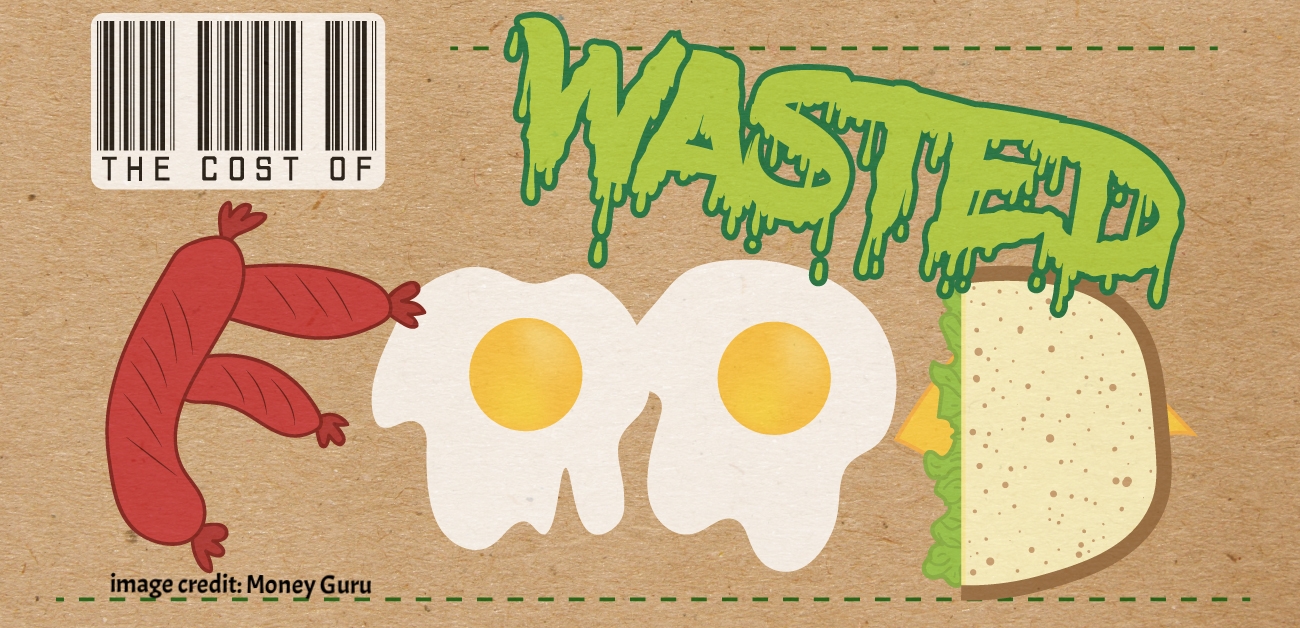
Read MoreFood waste is a global problem. The world is producing more food and making a greater profit than at any time before, yet so much of it is being wasted that the costs run into billions. In the UK and across the world, households are throwing away tonnes every year.
Read MoreGuest post by Helen O'Keefe
Green living doesn’t require a large-scale overhaul of our day-to-day habits. By implementing a few minor changes which are quick and inexpensive to activate, we can drastically reduce our carbon footprint, leading to us feeling healthier and happier for knowing that we’ve done a bit to contribute to a greener environment. What small yet significant steps can you take to make your home a more eco-friendly place?
Read MoreGuest post by Quill.com
Plastic waste has become a global problem that affects the world’s population in an increasing number of ways. More than 5 trillion pieces of plastic pollute the world’s oceans, much of which is consumed by marine animals that we humans subsequently consume. Less than 10% of plastics worldwide are being recycled annually, while 8.3 billion tons of new plastic are produced each year. Plastic does not biodegrade easily – it lasts anywhere from 500 to 100 years -- and the chemicals used to produce it are known to harm the health of humans, animals, and the environment. It’s safe to say we are facing a plastic crisis that will only continue to worsen if we don’t do something to address it.
Fortunately, an increasing number of people are becoming interested in learning how to minimize their use of plastic (and the less demand there is, the less will be produced). This infographic by Quill Corp tells you how you can reduce your use of plastic and be a part of the solution to this growing environmental problem.
Read MoreFor the third post in this series, I asked this question of several professionals in the beauty and wellness industry: what are your go-to green beauty products and why would you recommend them to others? Some of these responses might surprise or intrigue you, so read on to find out more...
Read MoreThis infographic contains tips on reducing your emissions while on the road.
Read MoreSecond post in a 3-part series on Green Beauty
As my previous post on the Green Beauty Movement mentioned, more people have become aware of the presence of harmful chemicals in many commercial personal care products. As a result of that growing awareness, as well as a general increase in public discussions about major climate-related and public health crises, there is more interest than ever in environmental issues. The Green Beauty Movement represents one small aspect of this phenomenon, but it is more important as a bellweather of healthy living trends than you might have realized. Here are six reasons why the Green Beauty Movement matters for the collective, global push towards a greener environment and a healthier you.
Read MoreLast month, actress Olivia Wilde was named “chief brand activist” for True Botanicals, a luxury skin care and makeup line that leverages science and technology to create toxin-free products. She is not the only A-list celebrity promoting green beauty products. Emma Watson, currently on tour promoting her “Beauty and the Beast” movie, is using the opportunity to call attention to the eco-friendly products she uses in her beauty routine. In 2015, Gwyneth Paltrow began a partnership with Juice Beauty organic beauty products as the company’s Creative Director of Makeup and in partnership with her own green venture, Goop. Also in 2015, Jessica Alba and Chris Gavigan’s successful eco-venture Honest Co. which markets to moms and their tots, expanded its line to include skin care, cosmetics, and hair care products.
The significance of these endorsements and ventures goes beyond the usual lamentations about famous people latching onto the latest beauty fads. I believe they signal a major shift in the beauty industry, one that reflects consumers’ growing awareness and alarm about the prevalence of harmful chemicals in most commercial personal care products, chemicals that have contributed to an epidemic of chronic allergies, ailments and diseases. Cosmetics are no exception: the chemicals they contain have been linked to symptoms ranging from skin rashes to cancer.
Read Moreguest post by Jennifer Adams, with introductory paragraph by Green and Prosperous
Energy waste is a problem that most developed, and developing, nations are guilty of, with the US and UK being among the top 5 nations that contribute most to energy waste. The problem isn’t only an environmental one: it costs businesses and households billions of dollars and pounds each year, consigns millions of homes to fuel poverty, and squanders opportunities to put all that wasted energy to use in the renewables industry to provide resources for domestic, commercial, and industrial markets.
Many people think of winter as the season with the greatest energy use, as people consume more fuel in order to heat their homes and businesses. However, with temperatures in many parts of the world reaching unprecedented highs, cooling structures eats up an enormous amount of fuel, too. Whatever the season, it’s increasingly important to find ways to decrease our energy consumption. The infographic below contains many tips to help you cut consumption and energy costs at the same time.
Read MoreOUR MISSION
We are dedicated to sharing information about and strategies for healthy, eco-friendly living. As a consumer, you have power to minimize your exposure to toxins and change manufacturing practices that harm human and environmental health.


want some free resources to help you maintain your healthy lifestyle? Click the button above to sign up!
![Eco-Labels Around the World (Interactive Infographic]](https://images.squarespace-cdn.com/content/v1/526e7179e4b0dda0159f0a13/1525479978026-KHAACVZPYUWB4PXLKCUR/ecolabels2.jpg)